
Common Myths and Misconceptions About Dental Implants Debunked

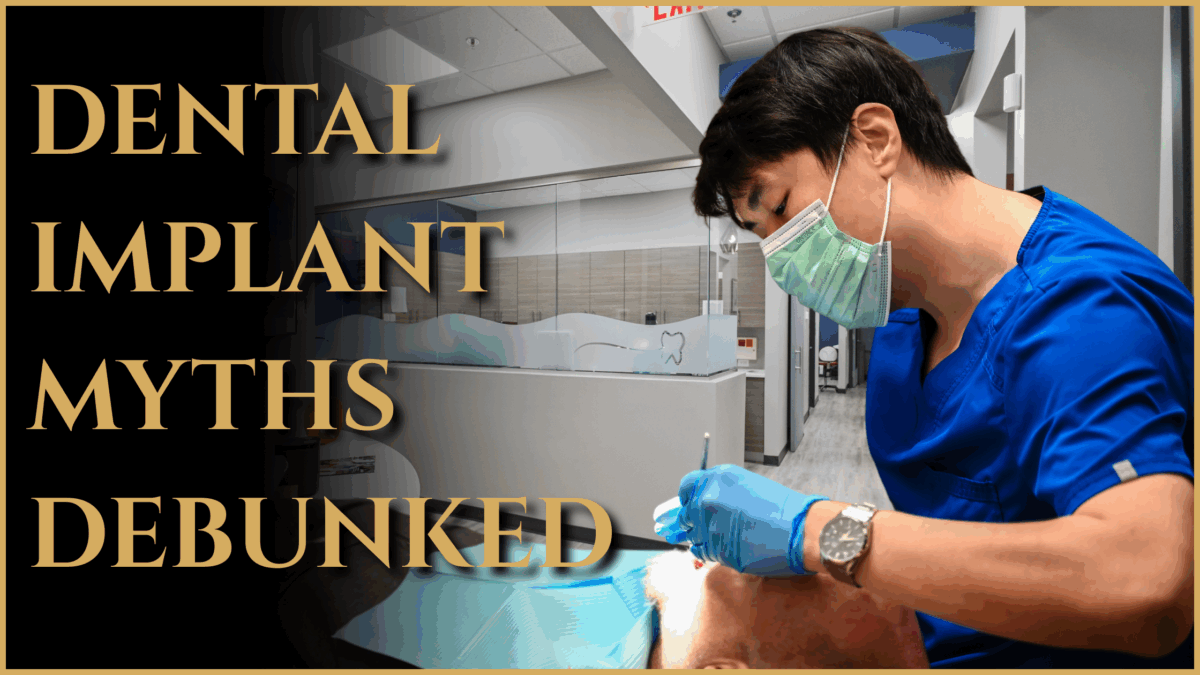
If you’re considering dental implants, you’ve probably heard a lot of things—some true, and some… not so much. Dental implants have become one of the most popular and effective ways to replace missing teeth, but there’s still plenty of misinformation floating around that can make the decision confusing or intimidating.
In this post, we’re diving into the most common myths about dental implants and debunking them with clear facts. No confusing jargon, just straightforward info to help you feel confident about your smile restoration options.
What Are Dental Implants? A Quick Refresher
Before we jump into myths, let’s quickly cover what dental implants actually are.
- Dental implants are titanium posts surgically placed into the jawbone to act like tooth roots.
- Once healed, they support artificial teeth—crowns, bridges, or dentures—that look, feel, and function like natural teeth.
- Unlike dentures, implants are fixed and don’t slip or require adhesives.
- They’re known for durability and a natural appearance.
With that foundation, let’s bust some myths!
Myth #1: Dental Implants Are Painful and Uncomfortable
What people think:
Many imagine dental implant surgery as extremely painful, with weeks of unbearable discomfort.
The truth:
- Modern dental implant procedures use local anesthesia, sedation, or general anesthesia to keep you comfortable during surgery.
- You might feel some soreness or mild swelling afterward, but this is manageable with over-the-counter pain medication.
- Most patients report the procedure is far less painful than they expected.
- Recovery time is usually quick, and discomfort fades within a few days.
Bottom line: Dental implant surgery is not a painful ordeal thanks to advanced techniques and effective pain control.
Myth #2: Dental Implants Are Too Expensive and Not Worth It
What people think:
Implants seem pricey compared to dentures or bridges, leading some to believe they aren’t a practical investment.
The truth:
- While the upfront cost of implants can be higher, they are often more cost-effective long term.
- Implants last decades, sometimes a lifetime, reducing the need for replacements or repairs.
- Dentures and bridges often require adjustments, replacements, or adhesives, adding up costs over time.
- Many dental offices offer financing plans or work with insurance to make implants more affordable.
Bottom line: Consider implants a long-term investment in your oral health and quality of life rather than a one-time expense.
Myth #3: Dental Implants Require a Long and Difficult Healing Process
What people think:
People fear a prolonged and complicated recovery after implant surgery.
The truth:
- Healing typically involves a few weeks for the implant to fuse with the jawbone—a process called osseointegration.
- Your dentist will monitor progress to ensure everything is healing well.
- Most patients can resume normal activities within a few days.
- Following your dentist’s aftercare instructions (like good oral hygiene and avoiding hard foods) promotes smooth healing.
Bottom line: Healing is a gradual but straightforward process that dental teams are well-equipped to manage.
Myth #4: Implants Don’t Look Natural
What people think:
Some believe dental implants look fake or obvious compared to natural teeth.
The truth:
- Implant crowns are custom-made to match your natural tooth color, shape, and size.
- Advances in dental technology allow for incredibly realistic results.
- When done by an experienced dentist, implants blend seamlessly with your smile.
- Many patients and their friends say implants look better than their original teeth!
Bottom line: Implants are designed to look natural and often enhance your overall appearance.
Myth #5: Anyone Can Get Dental Implants Immediately
What people think:
You might assume implants are suitable for everyone and can be done as soon as you lose a tooth.
The truth:
- Not everyone is an immediate candidate for dental implants.
- Good candidates have adequate jawbone density and healthy gums.
- If you have bone loss, gum disease, or other oral health issues, preparatory treatments like bone grafts or periodontal therapy may be needed first.
- Your dentist will evaluate your unique situation and recommend the best plan.
Bottom line: Implant candidacy depends on your oral health and anatomy—consultation is essential.
Myth #6: Dental Implants Require Special or Difficult Maintenance
What people think:
Some fear that implants need complex or costly upkeep.
The truth:
- Implants require much the same care as natural teeth: regular brushing, flossing, and dental checkups.
- There’s no need for special cleaning tools beyond what you use daily.
- Unlike dentures, implants don’t require adhesives or soaking solutions.
- Keeping up with good oral hygiene helps prevent gum disease around the implant.
Bottom line: Implant care is simple and fits right into your daily routine.
Myth #7: Dental Implants Can Last Forever Without Any Problems
What people think:
Some believe once implants are placed, they are maintenance-free and permanent.
The truth:
- Dental implants have a very high success rate and can last 25+ years, often a lifetime.
- However, good oral hygiene and regular dental visits are vital to avoid problems like peri-implantitis (gum infection around implants).
- Implants can fail if neglected or if underlying health issues exist.
- Prompt treatment of any complications keeps your implants healthy for years.
Bottom line: Implants are long-lasting but require care to ensure longevity.
Bonus Myth: Dental Implants Are Only for Older Adults
What people think:
Implants are often seen as a solution just for seniors.
The truth:
- Adults of any age who have lost teeth may be candidates for dental implants.
- Young adults who lost teeth due to trauma, decay, or congenital reasons can benefit.
- Implants support active lifestyles, speech, and nutrition at all ages.
Bottom line: Dental implants are a versatile solution suitable for many age groups.
Why Debunking These Myths Matters
Misconceptions about dental implants can cause unnecessary worry or delays in treatment. By understanding the facts:
- You’ll feel empowered to ask the right questions.
- You’ll be able to make informed decisions based on your personal needs.
- You’ll avoid being scared off by false information or myths.
Ready to Learn More About Dental Implants?
If you’re considering dental implants, the best step is a consultation with a qualified dental professional. They can:
- Assess your oral health
- Discuss treatment options tailored to you
- Answer any remaining questions or concerns