
Dental Implants: A Strong, Natural-Feeling Way to Replace Missing Teeth

Imagine biting into your favorite foods and not having to think twice about your teeth. Missing teeth can make everyday moments feel complicated—chewing, speaking clearly, and even keeping your mouth healthy over time. Dental Implants are designed to bring things back to “normal” in a way that looks natural and feels steady. They don’t just fill a space; they can also help support the jawbone and protect nearby teeth from drifting.
This guide breaks down how Dental Implants work, what the process looks like, and what you can do to help your results last.
What Dental Implants Are and Why They Feel So Secure
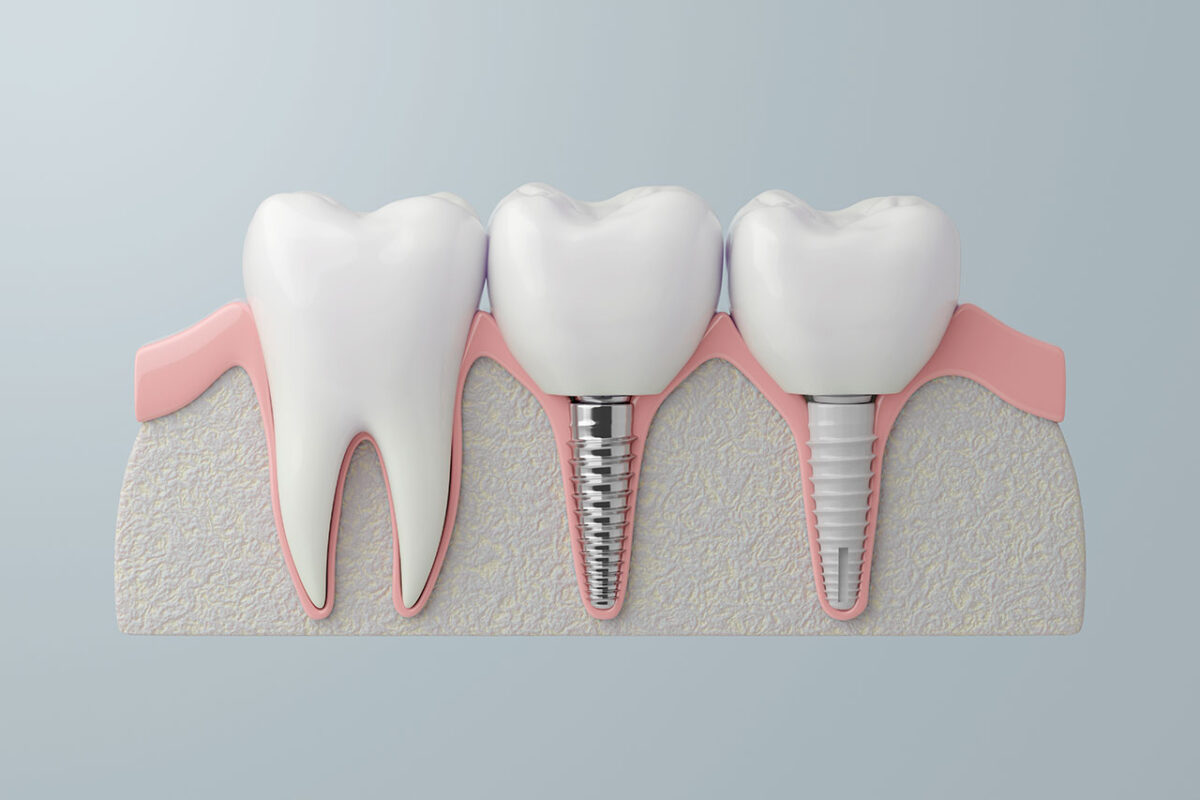
Dental Implants are small posts—most often made from a titanium-based material—that are placed in the jawbone to act like a new tooth root. After the area heals, a connector piece and a custom crown (the visible tooth) are added on top. The result is a replacement tooth that can look and function much like a natural tooth.
One reason many people choose Dental Implants is stability. Because the implant anchors in the jawbone, it doesn’t rely on neighboring teeth for support. That means the surrounding teeth can stay focused on being themselves, rather than acting as “supports” for a replacement tooth.
Implants can also address a common issue after tooth loss: bone changes. When a tooth root is missing, the jawbone in that spot can slowly lose density over time. By restoring chewing function, Dental Implants can help provide the kind of stimulation the bone expects.
It’s also helpful to know that implant care comes in different forms. Some patients need a single implant to replace one tooth. Others may use implants to support a bridge (replacing several teeth) or to stabilize a denture. Your plan depends on your health, the number of teeth you’re missing, and the condition of your jawbone.
Who Might Be a Good Candidate for Dental Implants?
Many adults can be candidates for Dental Implants, but a good plan always starts with a thorough evaluation. During an exam, your dental team looks at gum health, bone levels, bite alignment, and your overall health history.
You may be a good candidate for Dental Implants if you:
- Have one or more missing teeth
- Want a stable option that doesn’t depend on nearby teeth
- Have healthy gums or are ready to treat gum issues first
- Have enough jawbone for support—or are open to bone grafting if needed
- Are willing to commit to good home care and regular dental visits
Some health factors can affect healing. Conditions like uncontrolled diabetes, heavy smoking, or certain medications may increase risk. That does not automatically mean Dental Implants are off the table, but it may mean your care plan needs extra steps. In many cases, improving gum health, adjusting habits, or coordinating with a physician can make implant treatment more predictable.
If you’re missing teeth and have been wearing a removable option for a while, you can still be considered. In fact, many people explore Dental Implants because they want more comfort, better chewing power, and less movement.
What to Expect During the Dental Implants Process
One of the biggest stressors for patients is the unknown. Here’s what the Dental Implants process often looks like. Your exact steps and timing may vary based on your mouth and your goals.
Step 1: Exam, imaging, and planning
Your visit usually begins with an exam and imaging so the team can see bone levels, nerves, and sinus spaces. This planning step helps choose safe placement for Dental Implants. It also helps determine whether you need extra support, like a bone graft, before moving forward.
Step 2: Preparing the site (when needed)
If a tooth is still present but cannot be saved, it may be removed first. Sometimes an implant can be placed at the same appointment as the extraction. Other times, the area heals first. If bone support is thin, a bone graft may be recommended to build a stronger foundation.
Step 3: Implant placement
Placing an implant is a precise procedure. The post is positioned in the jawbone, and the gum tissue is closed over or around it. Many patients are surprised by how manageable recovery feels, especially when they follow instructions and take it easy for a few days.
Step 4: Healing and bonding
Over the next few months, the bone grows around the implant in a process often called “integration.” This is one reason Dental Implants can be such a long-lasting option: the implant becomes part of the support system, like a sturdy anchor.
Step 5: Building the tooth on top
Once healing is complete, a small connector is placed, and impressions are taken for the final crown. The crown is matched to your smile so it blends in naturally. When your Dental Implants restoration is complete, you can chew and smile with less worry about shifting.
Throughout the process, comfort matters. For some patients, local anesthetic is enough. For others, calming options like Sedation Dentistry can make implant visits feel easier.
Caring for Dental Implants: Daily Habits That Protect Your Investment
Dental Implants are strong, but they still need care—especially around the gums. Think of implant care as similar to caring for natural teeth, with a little extra attention to keeping the gumline clean.
Simple habits that help Dental Implants last include:
- Brush twice a day with a soft-bristled toothbrush
- Clean between teeth daily (floss, interdental brushes, or water flossers)
- Keep regular professional cleanings and exams
- Avoid chewing ice or using teeth as tools
- Wear a night guard if you clench or grind
- If you smoke, ask about support for cutting back or quitting
It’s also important to watch for early warning signs, such as bleeding when brushing, swelling, or a feeling that something “doesn’t fit right.” These signs don’t automatically mean a serious problem, but they do mean it’s time to schedule an evaluation. Early care can help protect the bone and gums that support your implant.
Many people love that implants are not removed at night like dentures. Still, routine maintenance is key. The cleaner the area stays, the more predictable your long-term results.
Benefits of Dental Implants Supported by Professional Standards
When people consider Dental Implants, they often compare them to other ways of replacing teeth. Every option has pros and cons, but implants offer advantages that are well-supported in professional dentistry.
Benefits commonly emphasized in professional guidance include:
- Stable chewing and speaking: Because implants are anchored in the jawbone, they can feel steady during meals and conversations.
- Support for jawbone health: Restoring function can help limit bone loss in the area of a missing tooth.
- No need to reshape neighboring teeth: Unlike some bridges, implants can stand on their own, helping preserve nearby tooth structure.
- Natural-looking results: The crown is custom-made to match your smile, and the replacement tooth sits at the gumline in a lifelike way.
- Long-term value: With consistent home care and professional maintenance, Dental Implants can serve patients for many years.
Professional best practices also stress careful planning and gum health. Healthy gums and good daily cleaning reduce the risk of inflammation around the implant site. That’s why ongoing checkups are part of long-term success with Dental Implants.
Final Thoughts: A Practical Next Step Toward a Complete Smile
Dental Implants can be a dependable way to replace missing teeth with a stable foundation. They can restore chewing comfort, support bone health, and create a natural-looking smile that fits your life. The best next step is a personalized evaluation—because the right plan depends on your bone, gums, and goals.
Ready to learn whether Dental Implants are right for you? Contact Secure Dental to schedule your consultation. Secure Dental has 9 convenient locations across Iowa, Indiana, Illinois, and Tennessee—so you can book an appointment close to home and move forward with confidence.