
Dental Implants: The Strong, Natural-Feeling Way To Replace Missing Teeth

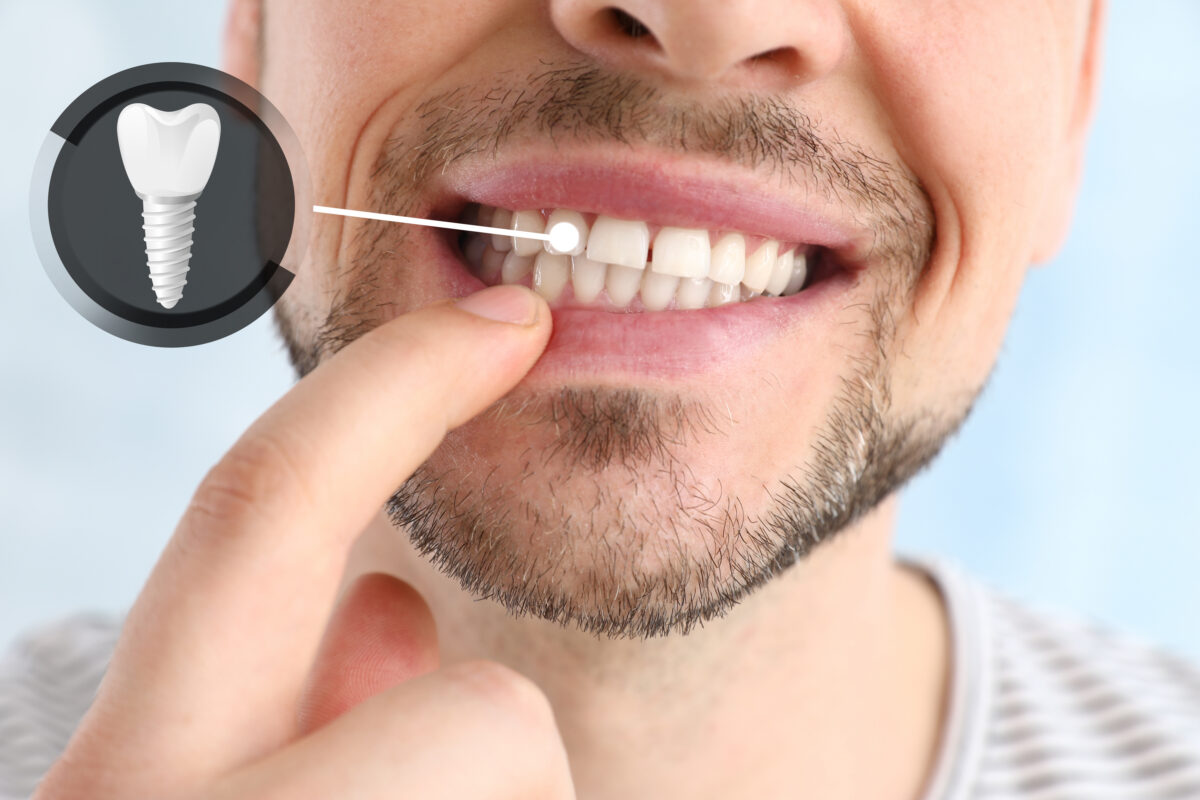
Missing a tooth is more than a “gap.” It can change how you chew, how your bite lines up, and how comfortable you feel eating the foods you like. Over time, the teeth next to the space may shift, and the jawbone in that area can start to shrink. That’s why many people look for a replacement that feels steady and lasting. Dental implants are designed to do exactly that—replace missing teeth with a secure foundation that supports your smile for the long run.
Dental implants are not a “quick cover-up.” They are a real tooth replacement plan built to feel stable, look natural, and help you chew with confidence. If you’ve been living with missing teeth—or you’re tired of dealing with a loose option—learning how dental implants work can make the next step feel much clearer.
What Dental Implants Are (In Simple Terms)
A dental implant is a small post placed into the jawbone to act like a tooth root. After it heals, it can support a crown (for one missing tooth), a bridge (for several missing teeth), or even a full-arch solution. The goal of dental implants is to restore function and comfort in a way that feels more like natural teeth.
People often like dental implants because they don’t just replace the visible tooth. They replace the “support” beneath it too. That support matters for chewing strength and for helping the jawbone keep its shape.
When Dental Implants Are Used
Dental implants can help in many situations, including:
- One missing tooth
- Several missing teeth in a row
- Missing teeth in different areas of the mouth
- Replacing a removable denture with a more stable solution
- Supporting a bridge without relying on neighboring teeth
If you’ve been told you “need something there,” dental implants are often one of the most reliable ways to rebuild without putting extra stress on other teeth.
The Dental Implants Process: What To Expect Step By Step
One reason people hesitate is because they imagine the process is confusing or intense. In reality, dental implants follow a clear plan, and your dental team guides you through each phase.
Step 1: Consultation And Planning
The first step is an exam and imaging to check bone support, gum health, and bite alignment. Planning matters because dental implants work best when they’re placed in the right position to handle chewing forces.
Your dentist will also discuss your goals:
- Do you want to replace one tooth or many?
- Do you want a fixed option?
- Are you currently wearing a removable denture?
- Are there teeth that need to be removed first?
Step 2: Implant Placement
The implant is placed into the jawbone. Most patients are surprised by how manageable this feels with proper numbing and comfort care. You may feel pressure, but you should not feel sharp pain. After placement, the area needs time to heal.
Step 3: Healing And Bonding
Healing is a key phase. The bone needs time to bond with the implant so it becomes stable. This is what gives dental implants their strong foundation.
Step 4: Attaching The Tooth Replacement
Once healing is complete, the final step is placing the crown, bridge, or denture attachment. This is the part you see and use every day—the visible tooth (or teeth) that restores your smile.
Some patients may have temporary teeth during the process so they can keep smiling and speaking comfortably while healing.
Dental Implants Vs. Other Tooth Replacement Options
There are different ways to replace teeth. The best option depends on your needs, your timeline, and your mouth. Still, it helps to understand what makes dental implants different.
Dental Implants Vs. A Traditional Bridge
A traditional bridge can replace a missing tooth by attaching to neighboring teeth. Often, those teeth need to be reshaped to hold crowns. For some people, that’s a fine plan—especially if those teeth already need crowns.
Dental implants can avoid trimming healthy neighboring teeth. They also provide support through the jawbone, which can help protect the area over time.
Dental Implants Vs. A Removable Denture
A removable denture can replace many teeth, but it rests on the gums. That can lead to movement, sore spots, and changes in fit over time as the jawbone changes shape.
Dental implants can add stability and reduce movement. Many patients who struggle with looseness prefer the secure feel that dental implants can provide.
This isn’t about one option being “right” for everyone. It’s about matching the solution to your comfort and goals.
Benefits Of Dental Implants
If you’re considering tooth replacement, it’s fair to ask: “What do I actually gain?” The benefits of dental implants go beyond appearance.
Benefits of dental implants include:
Strong, stable chewing
Dental implants are anchored into the jawbone, which helps them feel secure while eating.
Natural look and feel
A well-made implant crown or bridge is designed to blend with your smile and feel comfortable in daily life.
Helps protect jawbone
Because dental implants connect to the bone, they can help reduce bone shrinkage that often happens after tooth loss.
Doesn’t rely on nearby teeth
In many cases, dental implants replace missing teeth without needing neighboring teeth for support.
Helps keep teeth from shifting
Filling a gap with dental implants can help prevent neighboring teeth from drifting over time.
Long-term confidence
Many people like that dental implants are fixed in place and don’t require adhesives or daily removal.
Who Is A Good Candidate For Dental Implants?
Many people can be candidates for dental implants, even if they’ve been missing teeth for a while. The key factors include:
- Healthy gums
- Enough bone to support the implant (or a plan to build support if needed)
- Overall health that supports healing
- A bite that can be balanced properly
- Good daily cleaning habits
If bone support is limited, your dentist may discuss steps that improve the foundation before moving forward. The goal is to place dental implants in a way that supports long-term success, not just short-term results.
How To Care For Dental Implants Long-Term
Dental implants are strong, but they still require daily care. The good news is that caring for dental implants is similar to caring for natural teeth.
Helpful habits include:
- Brush twice a day along the gumline
- Floss daily and clean around the implant area
- Keep regular dental cleanings and exams
- Avoid chewing ice or using teeth as tools
- Wear a nightguard if you grind your teeth
Think of dental implants like a high-quality investment. They work best when you protect them with steady, simple routines.
Common Questions People Have About Dental Implants
“Will dental implants feel like real teeth?”
Many patients say dental implants feel closer to natural teeth than other replacements because they’re stable. Once you adjust, chewing can feel normal again.
“What if I’ve been missing teeth for years?”
You may still be a candidate for dental implants. An exam will show what’s possible and whether additional steps are needed to strengthen support.
“Is the process overwhelming?”
The process is planned in steps, and your team will guide you through it. Most people feel more relaxed once they understand the timeline and know what to expect.
“How many dental implants do I need?”
That depends on what you’re replacing. One tooth often needs one implant. Several teeth may be supported by fewer implants using a bridge design. A full arch may use a strategic number of implants. Your dentist will recommend the safest option for your bite.
Dental implants are one of the most trusted ways to replace missing teeth because they’re built for stability, comfort, and long-term function. They can help you chew with confidence, protect your bite from shifting, and restore the feeling of having complete teeth again. The best next step is a personalized evaluation to see what type of dental implants plan fits your needs and goals.
Ready to explore dental implants for a stronger, more secure smile? Contact your local Secure Dental practice to schedule your consultation or book an appointment. Secure Dental has 9 convenient locations across Iowa, Indiana, Illinois, and Tennessee to help you secure your smile goals.