All-On-X Dental Implants: A Fixed Solution for Replacing Many Teeth at Once

When most or all teeth are missing—or when teeth are failing—people often want one clear answer: “What can help me eat comfortably again and stop worrying about loose teeth?” That question matters because it’s not only about appearance. It’s about function, comfort, and the freedom to live your day without planning around your mouth. All-on-X treatment is designed for that exact situation: replacing a full arch of teeth with a stable, fixed set that stays in place.

This article explains how All-on-X treatment works, what the journey looks like, and why many patients choose this approach when they’re ready for a bigger change.

What All-On-X Dental Implants Mean and Why “X” Matters

All-on-X treatment describes a full-arch replacement supported by a specific number of implants. The “X” simply stands for the number of implants used to support the new arch. Some plans may use four implants, others may use five or six, depending on bone support, bite forces, and your anatomy.

The big idea is this: instead of placing one implant for every missing tooth, All-On-X Dental Implants use a strategic set of implants to hold a full row of teeth. Those teeth are connected in one piece, so the bite force is shared across the implants. This can be a practical way to rebuild a full smile with fewer implants than a “one tooth at a time” approach.

Patients often like that All-On-X Dental Implants are fixed in place. That means the teeth do not come out at night, and you don’t have to rely on adhesives. You clean them daily like teeth, but they stay put.

Who Typically Considers All-On-X Dental Implants?

People explore All-On-X Dental Implants for several common reasons:

  • They are missing many teeth in the upper or lower jaw
  • Their current denture feels loose or rubs sore spots
  • They have teeth that are breaking down from decay or gum disease
  • They want a fixed option instead of something removable
  • They want a plan that can improve chewing comfort and day-to-day confidence

An evaluation is still essential. During planning for All-On-X Dental Implants, your dental team looks at bone levels, gum health, the shape of your jaw, and your bite. They also review health history because healing matters for long-term success.

If there are active infections or gum issues, those are treated first. If bone is thin in certain areas, planning may include grafting or adjusting implant positions. The goal is to place implants where they can be supported well, then build an arch that fits your face and your bite.

What the All-On-X Dental Implants Process Can Look Like

Every plan is customized, but many patients find the process easier once they understand the steps. Here’s a patient-friendly overview of what All-On-X Dental Implants may involve.

Step 1: Consultation and imaging
This is the “map-making” stage. Imaging helps the team see bone levels, sinus spaces, and nerve pathways. Careful planning is a major reason All-On-X Dental Implants can be predictable and safe.

Step 2: Creating a step-by-step plan
Your plan may include removing failing teeth, treating gum infection, and choosing implant positions. The team also talks through what type of temporary teeth you may wear while healing. With All-On-X Dental Implants, temporary teeth can be an important part of the journey because they support function and comfort during the transition.

Step 3: Surgery day and comfort options
On the day of surgery, the dental team prepares the mouth and places the implants. Many patients choose calming options, and some plans include Sedation Dentistry for a smoother experience. You’ll also receive clear instructions for home care and eating while the area heals.

Step 4: Healing and strengthening
Over the next few months, the bone bonds around the implants. This is the foundation stage for All-On-X Dental Implants. During this time, a temporary set of teeth may be adjusted as your gums settle.

Step 5: Final teeth designed for long-term function
Once healing is complete, the final arch is created. The goal is not just a bright smile, but a strong bite that fits your jaw and protects the implants. With All-On-X Dental Implants, the final prosthetic is designed to balance comfort, durability, and a natural look.

Everyday Life with All-On-X Dental Implants: Eating, Speaking, and Cleaning

One reason patients choose All-On-X Dental Implants is the day-to-day experience. A fixed arch often feels more stable than a removable denture, which can reduce worry about shifting during meals or conversations.

Eating
After healing, many people feel they can enjoy a wider range of foods. You still want to be smart—hard ice and using teeth as tools are never great ideas—but the goal with All-On-X Dental Implants is comfortable, reliable chewing.

Speaking
A stable arch can make speech feel more natural, especially for patients who struggled with a loose denture. Your mouth may need a short “adjustment period” as your tongue and cheeks get used to the new shape, but most patients adapt well.

Cleaning
Cleaning is simple but important. You’ll brush twice daily and clean around the gumline and under the arch using tools your dental team recommends (like floss threaders, special brushes, or a water flosser). Routine professional visits are also important. Even though the teeth are not natural, the gums and bone still need healthy care for All-On-X Dental Implants to last.

Benefits of All-On-X Dental Implants Supported by Professional Guidance

Professional dental material often highlights that full-arch replacement should be planned with both function and long-term health in mind. All-On-X Dental Implants are frequently discussed as a reliable option because they focus on stability, controlled placement, and a fixed result.

Benefits commonly emphasized in professional guidance include:

  • A fixed set of teeth: All-On-X Dental Implants stay in place, reducing the need for adhesives and nightly removal.
  • Better stability than many removable options: Implant support can reduce movement and sore spots.
  • A stronger chewing experience: Many patients report improved comfort and the ability to enjoy more foods.
  • Support for jawbone function: Restoring chewing forces can help reduce ongoing bone changes linked to tooth loss.
  • A single, coordinated plan: Instead of managing many separate tooth problems, All-On-X Dental Implants can address a full arch in one organized treatment pathway.

Professional guidance also stresses that success depends on proper planning, healthy gums, and ongoing maintenance. Regular checkups, cleanings, and good home care protect the tissues that support All-On-X Dental Implants.

Final Thoughts: Rebuilding an Entire Smile with Confidence

All-On-X Dental Implants can be a life-changing option for people who need a full-arch solution. They are designed to create a fixed, stable set of teeth that supports eating, speaking, and day-to-day comfort. The journey starts with a personalized evaluation, then moves through careful planning, healing, and a final restoration made to fit you.

Ready to explore whether All-On-X Dental Implants are a match for your goals? Contact Secure Dental to schedule your consultation and book an appointment at a location near you. Secure Dental has 9 offices across Iowa, Indiana, Illinois, and Tennessee to help you move forward with a stable, confident smile.
Dental Implants: A Strong, Natural-Feeling Way to Replace Missing Teeth

Imagine biting into your favorite foods and not having to think twice about your teeth. Missing teeth can make everyday moments feel complicated—chewing, speaking clearly, and even keeping your mouth healthy over time. Dental Implants are designed to bring things back to “normal” in a way that looks natural and feels steady. They don’t just fill a space; they can also help support the jawbone and protect nearby teeth from drifting.

This guide breaks down how Dental Implants work, what the process looks like, and what you can do to help your results last.

What Dental Implants Are and Why They Feel So Secure

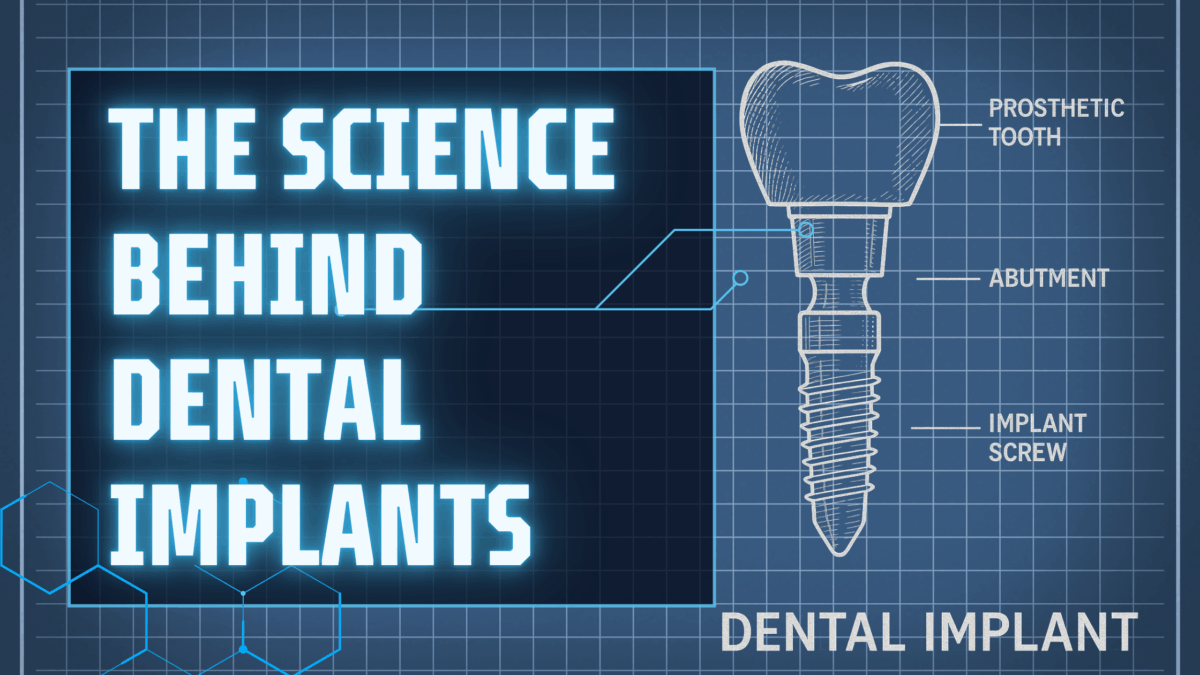
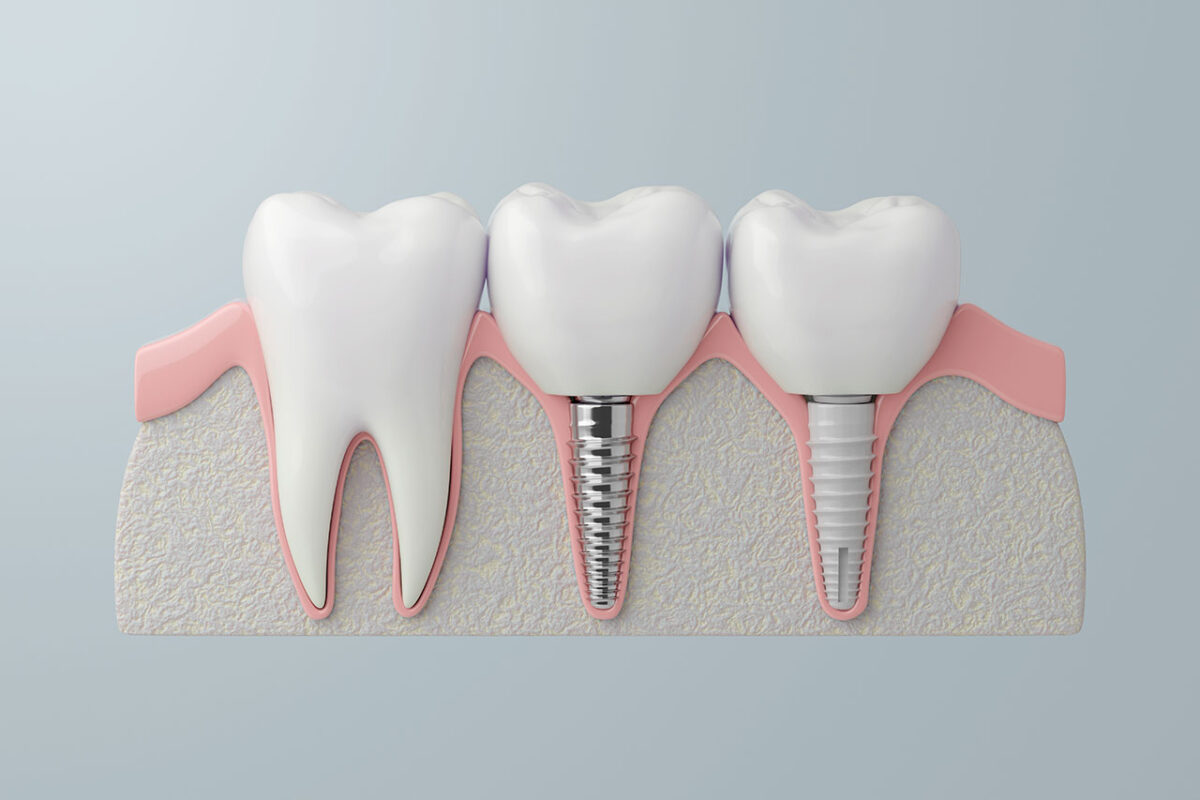
Dental Implants are small posts—most often made from a titanium-based material—that are placed in the jawbone to act like a new tooth root. After the area heals, a connector piece and a custom crown (the visible tooth) are added on top. The result is a replacement tooth that can look and function much like a natural tooth.

One reason many people choose Dental Implants is stability. Because the implant anchors in the jawbone, it doesn’t rely on neighboring teeth for support. That means the surrounding teeth can stay focused on being themselves, rather than acting as “supports” for a replacement tooth.

Implants can also address a common issue after tooth loss: bone changes. When a tooth root is missing, the jawbone in that spot can slowly lose density over time. By restoring chewing function, Dental Implants can help provide the kind of stimulation the bone expects.

It’s also helpful to know that implant care comes in different forms. Some patients need a single implant to replace one tooth. Others may use implants to support a bridge (replacing several teeth) or to stabilize a denture. Your plan depends on your health, the number of teeth you’re missing, and the condition of your jawbone.

Who Might Be a Good Candidate for Dental Implants?

Many adults can be candidates for Dental Implants, but a good plan always starts with a thorough evaluation. During an exam, your dental team looks at gum health, bone levels, bite alignment, and your overall health history.

You may be a good candidate for Dental Implants if you:

  • Have one or more missing teeth
  • Want a stable option that doesn’t depend on nearby teeth
  • Have healthy gums or are ready to treat gum issues first
  • Have enough jawbone for support—or are open to bone grafting if needed
  • Are willing to commit to good home care and regular dental visits

Some health factors can affect healing. Conditions like uncontrolled diabetes, heavy smoking, or certain medications may increase risk. That does not automatically mean Dental Implants are off the table, but it may mean your care plan needs extra steps. In many cases, improving gum health, adjusting habits, or coordinating with a physician can make implant treatment more predictable.

If you’re missing teeth and have been wearing a removable option for a while, you can still be considered. In fact, many people explore Dental Implants because they want more comfort, better chewing power, and less movement.

What to Expect During the Dental Implants Process

One of the biggest stressors for patients is the unknown. Here’s what the Dental Implants process often looks like. Your exact steps and timing may vary based on your mouth and your goals.

Step 1: Exam, imaging, and planning
Your visit usually begins with an exam and imaging so the team can see bone levels, nerves, and sinus spaces. This planning step helps choose safe placement for Dental Implants. It also helps determine whether you need extra support, like a bone graft, before moving forward.

Step 2: Preparing the site (when needed)
If a tooth is still present but cannot be saved, it may be removed first. Sometimes an implant can be placed at the same appointment as the extraction. Other times, the area heals first. If bone support is thin, a bone graft may be recommended to build a stronger foundation.

Step 3: Implant placement
Placing an implant is a precise procedure. The post is positioned in the jawbone, and the gum tissue is closed over or around it. Many patients are surprised by how manageable recovery feels, especially when they follow instructions and take it easy for a few days.

Step 4: Healing and bonding
Over the next few months, the bone grows around the implant in a process often called “integration.” This is one reason Dental Implants can be such a long-lasting option: the implant becomes part of the support system, like a sturdy anchor.

Step 5: Building the tooth on top
Once healing is complete, a small connector is placed, and impressions are taken for the final crown. The crown is matched to your smile so it blends in naturally. When your Dental Implants restoration is complete, you can chew and smile with less worry about shifting.

Throughout the process, comfort matters. For some patients, local anesthetic is enough. For others, calming options like Sedation Dentistry can make implant visits feel easier.

Caring for Dental Implants: Daily Habits That Protect Your Investment

Dental Implants are strong, but they still need care—especially around the gums. Think of implant care as similar to caring for natural teeth, with a little extra attention to keeping the gumline clean.

Simple habits that help Dental Implants last include:

  • Brush twice a day with a soft-bristled toothbrush
  • Clean between teeth daily (floss, interdental brushes, or water flossers)
  • Keep regular professional cleanings and exams
  • Avoid chewing ice or using teeth as tools
  • Wear a night guard if you clench or grind
  • If you smoke, ask about support for cutting back or quitting

It’s also important to watch for early warning signs, such as bleeding when brushing, swelling, or a feeling that something “doesn’t fit right.” These signs don’t automatically mean a serious problem, but they do mean it’s time to schedule an evaluation. Early care can help protect the bone and gums that support your implant.

Many people love that implants are not removed at night like dentures. Still, routine maintenance is key. The cleaner the area stays, the more predictable your long-term results.

Benefits of Dental Implants Supported by Professional Standards

When people consider Dental Implants, they often compare them to other ways of replacing teeth. Every option has pros and cons, but implants offer advantages that are well-supported in professional dentistry.

Benefits commonly emphasized in professional guidance include:

  • Stable chewing and speaking: Because implants are anchored in the jawbone, they can feel steady during meals and conversations.
  • Support for jawbone health: Restoring function can help limit bone loss in the area of a missing tooth.
  • No need to reshape neighboring teeth: Unlike some bridges, implants can stand on their own, helping preserve nearby tooth structure.
  • Natural-looking results: The crown is custom-made to match your smile, and the replacement tooth sits at the gumline in a lifelike way.
  • Long-term value: With consistent home care and professional maintenance, Dental Implants can serve patients for many years.

Professional best practices also stress careful planning and gum health. Healthy gums and good daily cleaning reduce the risk of inflammation around the implant site. That’s why ongoing checkups are part of long-term success with Dental Implants.

Final Thoughts: A Practical Next Step Toward a Complete Smile

Dental Implants can be a dependable way to replace missing teeth with a stable foundation. They can restore chewing comfort, support bone health, and create a natural-looking smile that fits your life. The best next step is a personalized evaluation—because the right plan depends on your bone, gums, and goals.

Ready to learn whether Dental Implants are right for you? Contact Secure Dental to schedule your consultation. Secure Dental has 9 convenient locations across Iowa, Indiana, Illinois, and Tennessee—so you can book an appointment close to home and move forward with confidence.

5 Common Reasons for Dental Implant Failure

Dental implants are one of the most reliable solutions for replacing missing teeth, with a success rate exceeding 90%. However, implant failure can occur, leaving patients concerned about their investment and oral health. Understanding the potential causes of failure can help you avoid complications and ensure the longevity of your implant.

In this article, we’ll explore five common reasons for dental implant failure, explain how to identify warning signs, and share tips to maintain healthy implants for years to come.


1. Poor Oral Hygiene

Dental implants, like natural teeth, require consistent oral hygiene. Neglecting your oral care routine can lead to peri-implantitis, an infection that damages the gum and bone around the implant.

How Poor Hygiene Leads to Failure:

  • Bacteria buildup around the implant causes inflammation.
  • Left untreated, inflammation progresses to bone loss and implant instability.

Signs to Watch For:

  • Red, swollen, or bleeding gums around the implant.
  • Persistent bad breath or a foul taste in your mouth.
  • Discomfort or tenderness near the implant.

How to Prevent It:

  • Brush your teeth twice daily with a soft-bristle toothbrush.
  • Floss around the implant using dental floss or interdental brushes.
  • Rinse with an antimicrobial mouthwash to reduce bacteria.
  • Visit your dentist regularly for professional cleanings and exams.

2. Insufficient Jawbone Density

A strong jawbone is the foundation of a stable dental implant. If your jawbone is too thin or weak, it may not provide enough support, leading to implant failure.

Why Bone Density Matters:

  • Dental implants rely on osseointegration, the process where the bone fuses with the implant.
  • Weak or insufficient bone may not hold the implant securely.

Causes of Bone Loss:

  • Tooth loss without replacement.
  • Gum disease that deteriorates bone.
  • Aging or trauma to the jawbone.

Solutions to Strengthen Bone:

  • Bone Grafting: Adds volume and density to the jawbone before implant placement.
  • Guided Bone Regeneration: Uses specialized membranes to encourage natural bone growth.
  • Regular dental checkups to monitor and maintain jawbone health.

3. Smoking and Tobacco Use

Smoking is a significant risk factor for implant failure. Tobacco not only harms your overall health but also hinders your body’s ability to heal after surgery.

How Smoking Affects Dental Implants:

  • Reduces blood flow to the gums and jawbone, slowing the healing process.
  • Increases the risk of infection and peri-implantitis.
  • Weakens the bond between the implant and bone.

Statistics:

  • Smokers are up to three times more likely to experience implant failure than non-smokers.

What You Can Do:

  • Quit smoking before implant surgery and avoid tobacco during recovery.
  • Seek support from smoking cessation programs if needed.
  • Discuss your smoking habits with your dentist to create a personalized care plan.

4. Implant Placement Errors

The success of a dental implant depends heavily on proper placement. Errors during the procedure can lead to complications like nerve damage, implant instability, or failure to integrate with the bone.

Common Placement Errors:

  • Incorrect angling or positioning of the implant.
  • Placing the implant too close to adjacent teeth or nerves.
  • Using insufficient imaging for planning the procedure.

Why Expertise Matters:

  • An experienced dentist uses advanced tools, like 3D imaging, to ensure precise placement.
  • Proper planning minimizes risks and maximizes implant stability.

How to Choose the Right Dentist:

  • Look for a dentist with specialized training in implantology.
  • Ask about their success rate and the number of implants they’ve placed.
  • Ensure they use advanced technology, such as CT scans and surgical guides.

5. Pre-Existing Medical Conditions

Certain medical conditions can increase the risk of implant failure by slowing healing or compromising bone health.

Conditions to Consider:

  1. Uncontrolled Diabetes: Impairs blood flow, delaying recovery and increasing infection risk.
  2. Autoimmune Disorders: Can cause the body to reject the implant.
  3. Osteoporosis: Weakens bones, reducing implant stability.
  4. Chronic Gum Disease: Affects the surrounding tissue and bone.

Managing Risk Factors:

  • Inform your dentist about your full medical history.
  • Work closely with your primary care physician to manage chronic conditions.
  • Follow your dentist’s pre- and post-operative care instructions carefully.

Bonus: Recognizing Implant Failure Early

Early intervention is crucial if you suspect your dental implant may be failing.

Common Symptoms of Implant Failure:

  • Persistent pain or discomfort around the implant.
  • Looseness or instability of the implant.
  • Difficulty chewing or biting.
  • Swelling, redness, or pus around the implant site.

What to Do If You Notice These Signs:

  • Contact your dentist immediately for an evaluation.
  • Schedule regular checkups to catch issues early.
  • Follow aftercare instructions to minimize complications.

How to Prevent Dental Implant Failure

While some factors are beyond your control, there are proactive steps you can take to increase the chances of implant success:

  1. Maintain Excellent Oral Hygiene:
    • Brush, floss, and rinse regularly to keep your implant clean.
  2. Attend Regular Dental Visits:
    • Professional cleanings and exams help identify potential problems early.
  3. Follow Your Dentist’s Instructions:
    • Adhere to pre- and post-surgical care guidelines to promote healing.
  4. Manage Health Conditions:
    • Keep chronic conditions like diabetes or osteoporosis under control.
  5. Avoid Risky Habits:
    • Quit smoking and minimize grinding or clenching your teeth.

Dental implants are a transformative solution for tooth replacement, offering long-term benefits when cared for properly. By understanding the common reasons for implant failure and taking preventive measures, you can protect your investment and enjoy a healthy smile for years to come.

If you’re considering dental implants or have concerns about your current ones, consult a qualified dental professional. Their expertise and personalized care can help you achieve the best possible outcome.

The Benefits of Restorative Dentistry for Damaged Teeth

Tooth damage can have a significant impact on both your oral health and self-confidence. Whether it’s due to decay, trauma, or wear, restoring damaged teeth is essential for maintaining proper function and a beautiful smile. Restorative dentistry offers a range of solutions to repair teeth and replace missing ones, ensuring long-term oral health.

This article will guide you through the essentials of restorative dentistry, helping you understand its benefits, common treatments, and what to expect from the process.


What is Restorative Dentistry?

Restorative dentistry refers to dental procedures that repair or replace damaged or missing teeth. The primary goal is to restore normal function (chewing, speaking, and maintaining the structure of the jaw) while also improving the appearance of your smile. Treatments can vary from simple fillings to more complex procedures like dental implants or bridges.

Key Treatments in Restorative Dentistry Include:

  • Fillings: Used to restore teeth with cavities.
  • Crowns: Caps that cover and protect a damaged tooth.
  • Dental Implants: Replacements for missing teeth that function like natural teeth.
  • Bridges: Fill the gap created by one or more missing teeth.

Common Causes of Tooth Damage

Understanding what causes tooth damage can help you take steps to prevent it in the future and know when it’s time to seek restorative care. The most common causes include:

  • Tooth Decay: Cavities caused by bacteria in the mouth.
  • Trauma: Accidents or injuries can chip, crack, or knock out teeth.
  • Gum Disease: Infections that damage the tissues supporting your teeth.
  • Wear and Tear: Grinding your teeth or normal wear over time can lead to enamel erosion.

Addressing tooth damage early is crucial to prevent further complications, such as infection or tooth loss, which may require more extensive treatment.


Types of Restorative Dentistry Treatments

There are several types of restorative treatments available, depending on the extent of the damage or tooth loss. Each treatment serves a unique purpose and can be tailored to your needs.

1. Fillings

  • Used to repair cavities and prevent further decay.
  • Can be made from materials such as amalgam (metal), composite resin (tooth-colored), or porcelain.

2. Crowns

  • Protect and strengthen teeth that are weak, broken, or worn down.
  • Made from materials like porcelain, metal, or a combination of both.
  • Covers the entire tooth, restoring its shape, size, and appearance.

3. Dental Implants

  • Ideal for replacing missing teeth.
  • A titanium post is surgically placed into the jawbone, serving as an artificial tooth root. Once healed, a crown is attached, providing a permanent and durable solution.
  • Implants look, feel, and function like natural teeth.

4. Bridges

  • Used to replace one or more missing teeth.
  • Supported by neighboring teeth or implants, they literally “bridge” the gap left by a missing tooth.

5. Inlays and Onlays

  • Used when a cavity is too large for a simple filling but not extensive enough for a crown.
  • Inlays fill the space between the cusps of a tooth, while onlays cover a larger portion, including one or more cusps.

6. Dentures

  • Full or partial dentures can replace multiple missing teeth.
  • While they aren’t permanent, dentures can restore the ability to eat and speak properly and improve the appearance of your smile.

Benefits of Restorative Dentistry

Restorative dentistry offers both functional and aesthetic benefits. Here’s why it’s essential for maintaining your oral health:

  • Improved Function: Restorative procedures restore the ability to chew and speak clearly. Missing or damaged teeth can make these basic functions difficult.
  • Aesthetic Appeal: Repairing or replacing teeth not only restores oral health but also improves the appearance of your smile, giving you more confidence.
  • Prevention of Further Damage: By addressing tooth damage early, you prevent infections, additional tooth loss, and more invasive procedures down the road.
  • Long-Term Oral Health: Restorative treatments help maintain proper jaw alignment and bite, preventing issues like TMJ disorders.

What to Expect During Restorative Dentistry Procedures

Before any restorative treatment, your dentist will perform a thorough evaluation, including X-rays, to determine the best course of action. Here’s what you can typically expect from the process:

  • Consultation and Diagnosis: Your dentist will discuss your options based on the extent of the damage and your long-term dental goals.
  • Treatment Plan: A detailed plan is created, including the timeline, materials used, and the number of visits required.
  • Procedure: Depending on the treatment, you may require local anesthesia or sedation.
  • Recovery: After the procedure, your dentist will provide aftercare instructions. Recovery times vary, but most people can return to their daily routine shortly after minor treatments like fillings. More extensive procedures, such as implants, may require a few weeks of healing.

Choosing the Right Restorative Option for You

Not all restorative treatments are one-size-fits-all. Several factors come into play when choosing the right option for your needs:

  • Extent of Damage: Minor issues like cavities may only require fillings, while missing or severely damaged teeth may need crowns, bridges, or implants.
  • Long-Term Goals: Consider whether you want a temporary or permanent solution. Implants, for instance, are a long-term investment, while dentures may be more affordable but less durable.
  • Budget: Some restorative treatments are more expensive than others. Dental implants, while highly effective, can be costly. Be sure to discuss all costs with your dentist, including financing options.

Caring for Restorative Dental Work

Proper care is essential for maintaining the longevity of your restorative dental work. Follow these tips to ensure your new smile stays healthy and functional:

  • Daily Oral Hygiene: Brush twice a day and floss daily, paying special attention to the areas around your restorations.
  • Regular Dental Visits: Schedule check-ups every six months to ensure that your restorations are holding up well and your oral health is maintained.
  • Avoid Hard or Sticky Foods: Crowns, bridges, and fillings can be damaged by chewing on hard objects like ice or sticky foods like caramels.
  • Consider a Nightguard: If you grind your teeth at night, ask your dentist about a nightguard to protect your restorations from damage.

 Restorative Dentistry vs. Cosmetic Dentistry

While restorative and cosmetic dentistry often overlap, they serve different purposes. Restorative dentistry focuses on function—repairing damaged teeth to restore proper chewing and speaking abilities. Cosmetic dentistry, on the other hand, primarily enhances the appearance of your smile through procedures like teeth whitening or veneers.

However, many restorative procedures, such as crowns and implants, also improve the aesthetics of your smile, giving you the best of both worlds.


Conclusion: A Healthier Smile with Restorative Dentistry

Restorative dentistry plays a crucial role in helping those with damaged or missing teeth regain their oral health, function, and confidence. By understanding the various treatments available and the benefits they offer, you can make an informed decision about the right solution for your smile.

If you’re dealing with tooth damage, consult with your dentist to explore the best restorative options and ensure a healthier, brighter smile for the future.

Am I a Good Fit for Dental Implants? Know Before You Decide

As we age, tooth loss can become an unfortunate reality, affecting not only our ability to chew and speak but also our confidence and quality of life. Fortunately, dental implants offer a permanent, durable solution for tooth replacement. But how do you know if you’re a good candidate for dental implants? Let’s explore the key factors, considerations, and common misconceptions so you can make an informed decision.


Why Dental Implants Are Worth Considering

Dental implants are one of the most reliable options for tooth replacement. Unlike dentures, which can be uncomfortable or slip out of place, implants provide stability and a natural look. Implants are surgically inserted into the jawbone, offering a permanent solution that mimics the function of real teeth. This provides you with a long-term option for restoring your smile and oral health.

But before you decide, it’s important to understand whether you’re a good fit for dental implants. There are several factors to consider, ranging from oral health to lifestyle choices. Let’s break it down step by step.


When Should You Consider Dental Implants?

The first question to ask is whether dental implants are the right solution for your tooth loss. Here are some indicators that you might be a good candidate:

  • You’re missing one or more teeth. Implants are ideal if you’ve lost teeth due to injury, decay, or other dental issues.
  • You’re dissatisfied with dentures or bridges. If you find traditional dentures uncomfortable or struggle with removable bridges, implants offer a more secure, lasting alternative.
  • You want a permanent solution. Dental implants can last a lifetime with proper care, making them a great choice for long-term oral health and confidence.

Timing is also critical. The longer you wait after tooth loss, the more likely you are to experience bone loss in the jaw, which can complicate the implant process. It’s best to consult a dentist early on to assess your situation.


How to Decide: Are You a Candidate for Dental Implants?

Several factors influence whether dental implants are the right option for you. Here’s a closer look at the key considerations:

  • Oral Health: Healthy gums and sufficient jawbone density are essential for supporting the implant. If you suffer from gum disease or significant bone loss, your dentist may suggest additional procedures like bone grafting to prepare the area for the implant.
  • General Health: Your overall health is also a factor. Conditions like uncontrolled diabetes or heart disease can affect your candidacy, as they may impact the body’s ability to heal after surgery.
  • Age: There’s often concern about whether older adults are eligible for implants, but age itself is rarely a limitation. In fact, older adults can be excellent candidates as long as their oral and general health is sufficient.

Consultation is crucial. A dentist or oral surgeon will evaluate your individual case, including taking X-rays or a 3D scan to assess the condition of your jawbone.


Key Factors That Influence the Need for Dental Implants

Let’s dive deeper into the factors that influence the need for and success of dental implants:

  • Bone Health: The jawbone needs to be thick and strong enough to support the implant. Bone grafting may be required if there is insufficient bone mass, particularly if tooth loss occurred a while ago and bone has already begun to deteriorate.
  • Gum Health: Healthy gums are essential to avoid infection or complications after implant surgery. If you have periodontal disease, it will need to be treated before implants can be considered.
  • Lifestyle Factors: Smoking can greatly reduce the success rate of dental implants, as it hinders healing and increases the risk of infection. A commitment to quitting or reducing smoking is recommended for implant candidates.
  • Oral Hygiene Habits: A dedication to proper oral care is essential. Brushing, flossing, and regular dental check-ups will help ensure the longevity of your implants.

Common Myths About Dental Implants and Candidacy

There are several myths and misconceptions about dental implants that might be causing hesitation. Let’s clear up a few:

  1. Myth 1: “I’m too old for implants.” Age is not a limiting factor. As long as your oral and overall health is good, older adults can benefit from implants just as much as younger people.
  2. Myth 2: “I don’t have enough bone for implants.” While bone loss can affect candidacy, bone grafting is a common and successful procedure to rebuild jawbone and make you eligible for implants.
  3. Myth 3: “Implants are too painful.” While implant surgery is indeed a surgical procedure, it’s done under local anesthesia or sedation, so pain is minimal. Most patients report mild discomfort during the recovery phase, which can be managed with over-the-counter pain relievers.

Understanding the Dental Implant Process

The dental implant process may seem intimidating, but knowing what to expect can make it easier. Here’s a simplified breakdown of the steps:

  1. Initial Consultation: Your dentist will perform a full oral exam, take X-rays, and evaluate your bone structure.
  2. Implant Placement: The titanium post is surgically inserted into your jawbone, acting as the root of the new tooth.
  3. Healing Period: This can take several months as the bone fuses with the implant in a process called osseointegration.
  4. Crown Placement: Once healed, an abutment is attached to the implant, and a custom-made crown is placed on top to complete the process.

Recovery typically involves mild swelling and discomfort, which subsides within a few days to a week. Following your dentist’s post-operative care instructions is crucial for proper healing.


Dental Implants vs. Other Tooth Replacement Options

If you’re considering dental implants, you’ve likely looked into other options like dentures or bridges. Here’s a quick comparison:

  • Dentures: While more affordable, dentures can be uncomfortable, may slip during eating, and require regular maintenance.
  • Bridges: These are a more stable option than dentures but involve altering adjacent teeth, which can weaken them over time.

Why Implants Stand Out:

  • Permanent, with proper care.
  • Look, feel, and function like natural teeth.
  • Preserve bone health and facial structure.

How Long Do Dental Implants Last?

One of the biggest advantages of dental implants is their longevity. With proper care, dental implants can last 20 years or more. Unlike dentures or bridges, implants integrate into your jawbone, which means they don’t need replacing after a few years.

To maximize their lifespan, it’s important to:

  • Maintain good oral hygiene.
  • Visit your dentist regularly for check-ups and cleanings.
  • Avoid smoking and limit alcohol intake.

Conclusion: Is a Dental Implant Right for You?

Choosing dental implants is a significant decision that can greatly improve your oral health and quality of life. By considering factors like your oral health, overall health, and lifestyle habits, you can determine whether you’re a good fit for implants.

If you think dental implants might be right for you, the next step is to schedule a consultation with a dental professional. They will evaluate your situation and guide you through the process to restore your smile and confidence for years to come.

Protect Your Smile: Dental Implant Care After Surgery

Dental Implant Care After Surgery

Dental implants are life-changing for individuals dealing with tooth loss. They restore not only your smile but also your ability to chew and speak comfortably. However, the success of dental implants depends largely on what happens after surgery. Proper care for implants after surgery is essential for healing, ensuring the long-term stability of the implant, and avoiding complications. In this guide, we’ll walk you through the steps to take following implant surgery to promote a smooth recovery and ensure your implants last a lifetime.

Why Post-Surgery Care Is Critical

Dental implants have become a popular solution for restoring missing teeth because they look, feel, and function like natural teeth. But no matter how advanced the procedure is, the healing period is critical for implant success. Your body needs time to integrate the implant with the bone—a process called osseointegration. Without the proper care for implants after surgery, complications can arise that may hinder the healing process and, in the worst case, lead to implant failure. Following your dentist’s instructions and being mindful of your post-operative care will help set the foundation for long-term success.


What to Expect Immediately After Implant Surgery

It’s normal to experience some discomfort and mild side effects after surgery. These typically subside within a few days but can be worrying if you’re not prepared. Here’s what you can expect in the first few days:

  • Swelling: Expect some swelling around the gums and face, which should peak around day two and then gradually subside.
  • Minor Bleeding: A small amount of blood or pinkish saliva is normal for the first 24–48 hours.
  • Discomfort: Mild to moderate pain is expected, but it should be manageable with over-the-counter pain medications.
  • Bruising: Some patients experience minor bruising around the implant site.

These after-implant surgery symptoms are temporary and part of the natural healing process. However, if you experience excessive bleeding, severe pain, or signs of infection (such as fever or pus), contact your dentist immediately.


Day-by-Day Healing Timeline

Recovering from implant surgery takes time, and understanding what happens each day can help ease concerns about healing. Here’s a general breakdown of the healing process:

Days 1-3:

  • Rest and limit physical activity.
  • Apply an ice pack to the outside of the face to reduce swelling.
  • Stick to soft foods and avoid hot or spicy meals.

Week 1:

  • Swelling and bruising should start to improve.
  • Continue rinsing with a saltwater solution or an antibacterial mouthwash as directed.
  • Start incorporating gentle brushing but avoid the implant site.

Weeks 2-4:

  • Most discomfort and swelling should subside by the end of Week 2.
  • You can slowly reintroduce more foods to your diet, but avoid hard or crunchy items.
  • Schedule a follow-up appointment with your dentist to monitor your progress.

By following this dental implant recovery timeline, you can ensure your implant heals correctly while avoiding unnecessary setbacks.


Essential Tips for Proper Oral Hygiene After Surgery

Maintaining good oral hygiene is crucial, but it’s essential to be gentle around the implant site to avoid disrupting the healing process.

  • Brushing: Use a soft-bristled toothbrush to clean your teeth, but be careful around the surgical area. Avoid brushing directly on the implant for at least one week.
  • Mouthwash: Use an antibacterial mouthwash as prescribed by your dentist to reduce the risk of infection.
  • Rinsing: After eating, rinse your mouth with a mild saltwater solution to keep the implant area clean. Be sure to swish gently to avoid disturbing the implant site.

These oral hygiene after dental implants tips will help you keep your mouth clean while allowing the implant to heal properly.


Foods to Eat and Avoid After Implant Surgery

What you eat after implant surgery plays a significant role in your recovery. Certain foods can promote healing, while others can cause irritation or damage to the implant site.

Foods to Eat:

  • Smoothies, yogurt, and soft fruits (bananas, avocado)
  • Mashed potatoes, scrambled eggs, oatmeal
  • Soft-cooked vegetables, soup, and fish

Foods to Avoid:

  • Hard or crunchy foods like nuts, chips, and raw vegetables
  • Sticky foods like caramel or chewing gum
  • Spicy or acidic foods that can irritate the surgery site

By sticking to the best foods after dental implant surgery, you’ll reduce the risk of damaging your implants and promote faster healing.


Pain Management and Medication

It’s normal to experience some discomfort in the days following surgery, but pain should be manageable. Your dentist may recommend one of the following:

  • Over-the-counter medications: Ibuprofen or acetaminophen can help reduce pain and inflammation.
  • Prescription painkillers: If the surgery was more complex, your dentist may provide stronger medication.
  • Antibiotics: You may also be prescribed antibiotics to prevent infection. It’s critical to take them as instructed.

Effective pain management after dental implants is essential for comfort and to prevent inflammation that could hinder healing.


Warning Signs: When to Contact Your Dentist

While most patients recover without complications, it’s important to be aware of warning signs that indicate something might be wrong:

  • Excessive Swelling or Bleeding: If swelling worsens after the first few days or bleeding doesn’t stop, call your dentist.
  • Infection Symptoms: Look out for pus, fever, or a foul taste in your mouth.
  • Loose Implant: If you notice the implant feels loose or unstable, contact your dentist immediately.

These dental implant complications are rare but require prompt attention to avoid more serious issues.


Long-Term Care for Dental Implants

Once your implant has healed, ongoing care is necessary to keep it healthy. Treat your implants like natural teeth with the following habits:

  • Brush and floss daily: Use a soft toothbrush and non-abrasive toothpaste.
  • Regular dental visits: Schedule routine check-ups and professional cleanings every six months.
  • Avoid harmful habits: Don’t smoke or chew on hard objects like ice, as this can damage both natural teeth and implants.

These practices will ensure long-term care for dental implants and help maintain your smile for years to come.


Common Myths About Dental Implant Recovery

Several myths circulate about implant recovery that can make the process seem more daunting than it is. Let’s debunk a few

  • Myth 1: Recovery is extremely painful. While some discomfort is expected, most patients find it manageable with pain relief.
  • Myth 2: Implants don’t need special care. Just like natural teeth, implants require daily cleaning and regular check-ups to last.
  • Myth 3: You can’t eat normally for months. Soft foods are needed initially, but you can gradually return to a normal diet after a few weeks.

Understanding these dental implant recovery myths can alleviate unnecessary stress and help you focus on proper recovery.


Ensuring a Lifetime of Healthy Implants

Following post-surgery care guidelines is the key to a smooth recovery and long-term implant success. From managing symptoms and keeping your mouth clean to knowing when to contact your dentist, each step is essential for ensuring your dental implants integrate properly and function as intended.

By taking the right steps and maintaining good oral hygiene, you can ensure your care for dental implants leads to a healthy, confident smile for life.

Dental Implants vs. Traditional Dentures: Which Is Best?

Created By: Laura Hoover

Dental Implants vs. Traditional Dentures: Which Is Best?

Tooth loss is an emotional and practical challenge, as losing teeth can affect not only your smile but also your ability to eat, speak, and maintain confidence in social settings. The need to replace missing teeth is essential for both functional and aesthetic reasons.

Two primary options exist for tooth replacement: dental implants and traditional dentures. While both solutions aim to restore your smile and improve daily function, they differ significantly in terms of comfort, durability, care requirements, and cost. This article will explore both options in detail, helping you decide which tooth replacement method fits your lifestyle, budget, and personal needs.


1. Understanding the Basics

What Are Dental Implants?

Dental implants are a modern solution to tooth loss. These implants consist of a titanium alloy screw surgically placed into the jawbone. Over time, the implants fuse with the bone through a process called osseointegration, creating a stable foundation for prosthetic teeth that function much like natural teeth.

Key characteristics of dental implants include:

  • Permanence: Once placed, implants are designed to be long-lasting, potentially lasting a lifetime with proper care.
  • Functionality: Implants mimic natural teeth in both appearance and function, allowing you to chew, speak, and smile confidently.
  • Natural Look: Implants are carefully crafted to match the look and feel of your real teeth, providing an aesthetically pleasing result.

What Are Traditional Dentures?

Traditional dentures are removable prosthetic devices used to replace missing teeth. Dentures come in two primary forms:

  • Full Dentures: Used when all the teeth are missing.
  • Partial Dentures: Used when only some teeth are missing.

Over the years, dentures have evolved in terms of materials and fit. However, they remain a removable, temporary option for tooth replacement, requiring more maintenance and adjustments than dental implants.


2. Comparing Comfort and Fit: Dental Implants vs. Dentures

Comfort with Dental Implants

Dental implants offer unmatched comfort. Because they are securely anchored in the jawbone, they function like natural teeth. This stability means:

  • No slipping or movement while eating or speaking.
  • Long-term comfort with no need for adhesives or frequent adjustments.
  • A natural feel that closely resembles your original teeth.

Comfort with Traditional Dentures

While modern dentures have improved, they can still present discomfort over time. Common issues include:

  • Slipping: Dentures may shift in the mouth, particularly when chewing or speaking.
  • Discomfort: Dentures can rub against the gums, causing sore spots or irritation.
  • Adjustments: Dentures require frequent realignment as the shape of the jaw changes over time, leading to a less secure fit.

3. Durability and Longevity: Which Lasts Longer?

Dental Implants: A Long-Term Solution

Dental implants are renowned for their durability. With proper care, implants can last 20 years or more, and in many cases, they are a lifetime solution. Their strength and resilience allow you to:

  • Chew tough foods without worry.
  • Maintain overall oral health with minimal risk of wear and tear.

Traditional Dentures: Frequent Replacements

Dentures have a shorter lifespan compared to implants, typically lasting 5 to 8 years before needing replacement. This is due to:

  • Wear and tear on the materials used in dentures.
  • Changes in the gums and bone structure, which can cause dentures to fit poorly over time.
  • The need for refitting or replacing due to these changes.

4. Maintenance and Care: What’s Required?

Caring for Dental Implants

One of the significant advantages of dental implants is that they require the same care as natural teeth:

  • Daily brushing and flossing are essential.
  • Regular dental check-ups help maintain the health of the implant and surrounding teeth.
  • May require initial bite adjustment.

Implants do not require removal or special cleaning solutions, making them low-maintenance.

Caring for Traditional Dentures

Caring for dentures is more time-consuming:

  • Dentures need to be removed daily for cleaning.
  • Soaking in cleaning solutions is often necessary to maintain hygiene.
  • Special attention is required to prevent breakage and avoid bacterial buildup.
  • Will require occasional adjustments or relining to ensure they fit correctly

5. Cost Comparison: Dental Implants vs. Traditional Dentures

Upfront Costs of Dental Implants

Dental implants tend to have a higher upfront cost due to:

  • Surgical procedures to place the implants.
  • The use of high-quality materials like titanium.

However, implants are considered a long-term investment. They typically last for decades, with fewer replacements required, potentially saving money over time.

Costs of Traditional Dentures

Traditional dentures come with a lower upfront cost, making them an attractive option for many. However, dentures often require:

  • Frequent adjustments and replacements due to wear or changes in the jaw structure.
  • Ongoing expenses for adhesives, relining, and repairs.

While cheaper initially, the long-term costs of maintaining dentures can add up.


6. Aesthetic Appeal: Which Looks More Natural?

Natural Look of Dental Implants

Dental implants are designed to mimic the appearance of natural teeth. Benefits include:

  • Seamless integration into the mouth with a customized, natural look.
  • Stability: Implants stay in place and do not shift or move, ensuring a consistent appearance.
  • Realistic feel: Implants are indistinguishable from natural teeth in terms of function and aesthetics.

Appearance of Traditional Dentures

Modern dentures have come a long way in terms of appearance, and many now look quite natural. However, they still face challenges, such as:

  • Potential movement: Dentures can slip or shift, which may affect their appearance.
  • Unnatural feel: Dentures do not always feel like natural teeth, which can make the wearer self-conscious.

7. Health Implications: Bone Loss and Gum Health

How Dental Implants Preserve Jawbone Health

One of the most significant advantages of dental implants is their ability to preserve jawbone health. By fusing with the bone, implants:

  • Stimulate bone growth, preventing bone loss.
  • Help maintain the structure of the face, preventing the sunken appearance associated with missing teeth.

This is a crucial long-term benefit for individuals concerned about the aging effects of tooth loss.

Impact of Dentures on Bone Health

In contrast, traditional dentures do not stimulate the jawbone. Over time, this can lead to:

  • Bone resorption, or the gradual loss of bone mass.
  • Changes in facial structure, leading to a sunken, aged look.
  • Increased need for denture adjustments as the bone continues to deteriorate.

8. Lifestyle Considerations: What Suits Your Daily Life?

Why Choose Dental Implants?

Dental implants are ideal for those seeking a permanent, hassle-free solution to tooth loss. Key benefits include:

  • No need for removal or special cleaning.
  • No concerns about shifting while eating or speaking.
  • Long-term durability with minimal maintenance.

For individuals seeking a natural look and feel, implants are often the superior choice.

Why Choose Traditional Dentures?

Traditional dentures may be a better option for individuals who:

  • Prefer a non-invasive solution.
  • Are looking for a more affordable, temporary fix.
  • Have certain medical conditions that make dental surgery less feasible.

While dentures are less expensive initially, they may require more frequent care and adjustments over time.


9. Which Option Is Best for You?

Factors to Consider

When choosing between dental implants and traditional dentures, it’s essential to consider:

  • Your overall health: Implants require surgery, so individuals with certain health conditions may not be ideal candidates.
  • Your budget: Implants are more expensive upfront but can save money in the long term.
  • Your lifestyle: Implants provide more stability and ease of use, while dentures require more maintenance.

Final Thoughts

Both dental implants and traditional dentures have their benefits. Dental implants offer a long-term, durable solution, while dentures provide an affordable, non-invasive option. It’s crucial to consult with a dental professional to determine which solution best suits your needs and goals.


Conclusion

Choosing between dental implants and traditional dentures is a personal decision that depends on your health, budget, and lifestyle preferences. While implants offer a permanent, stable solution, dentures provide a more affordable, temporary option. To make the best choice, schedule a consultation with your dentist to explore which option will work best for your individual needs.

If you’re interested in learning more about dental implants, be sure to take advantage of the free consultations offered at our dental practice!

Book Your Appointment

Fill out the form below to request your appointment date. A member of our team will reach out shortly to schedule your appointment and answer any questions you may have.