Exploring the Anatomy of Teeth and Gums

When it comes to oral health, your teeth play a central role. But how much do you know about their structure and functions? Understanding the anatomy of your teeth can help you maintain a healthier smile and detect potential dental issues before they become severe. In this guide, we’ll break down the parts of your teeth, their functions, and tips for keeping them healthy.


The Basics of Tooth Anatomy

Teeth might seem like simple white structures, but they are made up of several layers and components, each with a unique function. Here’s a quick overview of the major parts of your teeth:

  • Enamel: The hard, outermost layer of your tooth that protects it from damage and decay.
  • Dentin: The layer beneath the enamel that supports the tooth structure and houses tiny tubules leading to the pulp.
  • Pulp: The innermost layer containing nerves and blood vessels.
  • Cementum: The outer layer of the tooth root that helps anchor it to the jawbone.
  • Periodontal Ligament: The connective tissue that holds the tooth securely in place.

Each of these components works together to support chewing, speaking, and maintaining the structural integrity of your mouth.


The Layers of a Tooth

  1. Enamel
    • What it is: The enamel is the visible, outermost layer of your teeth.
    • Purpose: It protects against physical and chemical damage, such as chewing, biting, and exposure to acids.
    • Key fact: Enamel is the hardest substance in the human body, but it cannot regenerate once it’s worn down.
  2. Dentin
    • What it is: A dense layer beneath the enamel that makes up most of the tooth structure.
    • Purpose: It supports the enamel and transmits sensations from the surface to the pulp.
    • Key fact: Dentin contains microscopic tubules that can make the tooth sensitive to hot or cold stimuli.
  3. Pulp
    • What it is: The soft tissue located at the center of the tooth.
    • Purpose: It contains blood vessels and nerves, providing nutrients and sensory feedback.
    • Key fact: Infections or decay that reach the pulp often require root canal treatment.
  4. Cementum
    • What it is: A hard, bone-like substance covering the tooth root.
    • Purpose: It anchors the tooth to the periodontal ligament.
    • Key fact: While it’s strong, cementum can erode if gum disease develops.
  5. Periodontal Ligament
    • What it is: A network of connective tissues that attach the tooth to the surrounding bone.
    • Purpose: It absorbs shock and keeps the tooth stable during chewing.
    • Key fact: Maintaining healthy gums is essential for the periodontal ligament’s health.

Types of Teeth and Their Functions

Humans have four main types of teeth, each designed for a specific purpose:

  • Incisors:
    • Location: Front and center of your mouth.
    • Function: Cutting and slicing food into manageable pieces.
  • Canines:
    • Location: Adjacent to the incisors.
    • Function: Tearing and gripping food.
  • Premolars:
    • Location: Behind the canines.
    • Function: Crushing and grinding food.
  • Molars:
    • Location: Back of the mouth.
    • Function: Handling heavy-duty grinding and chewing.

Each type of tooth contributes to a balanced bite and efficient digestion.


The Anatomy of Gums and Supporting Structures

Teeth don’t work alone; they rely on surrounding tissues for support and function:

1. Gingiva (Gums)

  • Purpose: Protects the roots of the teeth and prevents bacteria from entering deeper structures.
  • Tip: Regular flossing helps maintain healthy gums.

2. Jawbone

  • Purpose: Provides structural support for your teeth.
  • Tip: Bone density can decrease due to tooth loss or gum disease, making oral care critical.

3. Alveolar Bone

  • Purpose: Anchors the teeth in place.
  • Tip: This bone can deteriorate if teeth are missing or gum disease is untreated.

Understanding tooth anatomy helps in identifying and addressing common dental issues:

  1. Enamel Erosion
    • Causes: Acidic foods, beverages, and poor oral hygiene.
    • Prevention: Use fluoride toothpaste and limit acidic foods.
  2. Tooth Sensitivity
    • Cause: Exposed dentin due to enamel erosion or gum recession.
    • Prevention: Use desensitizing toothpaste and avoid aggressive brushing.
  3. Pulp Infections
    • Cause: Deep cavities or trauma to the tooth.
    • Treatment: Root canal therapy to save the tooth.
  4. Cracked Teeth
    • Cause: Grinding, chewing hard foods, or injury.
    • Prevention: Wear a mouthguard during sports and avoid biting hard objects.
  5. Gum Disease (Periodontitis)
    • Cause: Plaque buildup leading to inflammation and infection.
    • Prevention: Brush twice daily, floss regularly, and visit your dentist for cleanings.

How to Care for the Anatomy of Your Teeth

Maintaining healthy teeth and gums requires consistent care:

  •  Daily Oral Hygiene Routine
    • Brush your teeth twice a day with fluoride toothpaste.
    • Floss daily to remove plaque between teeth.
    • Rinse with an antimicrobial mouthwash to reduce bacteria.
  • Regular Dental Checkups
    • Schedule cleanings and exams every six months.
    • Get X-rays as needed to monitor tooth and bone health.
  • Eat a Tooth-Friendly Diet
    • Include calcium-rich foods like milk and leafy greens.
    • Avoid sugary snacks and acidic beverages.
  • Protect Your Teeth
    • Use a nightguard if you grind your teeth.
    • Wear a mouthguard during contact sports.

FAQs About Tooth Anatomy

Q: What happens if enamel is damaged?

A: Damaged enamel cannot regenerate, but fluoride treatments and dental sealants can protect and strengthen it.

Q: Can dentin repair itself?

A: Dentin cannot fully regenerate, but treatments like bonding can protect exposed areas.

Q: Why do some teeth have more roots than others?

A: Molars have multiple roots to support the additional pressure they handle during chewing.

Q: How does tooth anatomy change with age?

A: Enamel thins, and gum recession may expose more of the tooth roots, increasing sensitivity and decay risk.


Understanding the anatomy of your teeth is the first step toward maintaining excellent oral health. Each part of your tooth plays a vital role, from the protective enamel to the supportive periodontal ligament. By caring for these structures through daily hygiene, regular dental visits, and a healthy diet, you can ensure a strong and functional smile for years to come.

Take charge of your dental health today—schedule a checkup with your dentist to assess the health of your teeth and gums.

Stop the Damage: How Smoking Affects Your Teeth

Smoking is widely known for its detrimental effects on overall health, but its specific impact on oral health often goes unnoticed. Your teeth and gums bear the brunt of smoking, leading to discoloration, decay, and even more severe consequences. In this article, we’ll explore how smoking affects your teeth, the long-term consequences, and practical steps to protect your oral health.


The Connection Between Smoking and Oral Health

Smoking harms oral health in several ways:

  • Reduces Blood Flow: Smoking constricts blood vessels, depriving your gums of essential nutrients and oxygen.
  • Weakens Immune Responses: Your mouth becomes more susceptible to infections as smoking compromises your body’s ability to fight bacteria.
  • Disrupts Healing: Smokers experience slower recovery from dental procedures due to impaired blood circulation.

These factors make smokers more prone to gum disease, tooth loss, and other oral health issues.


How Smoking Affects Your Teeth and Gums

  1. Tooth Discoloration and Stains
    • The nicotine and tar in tobacco products stain your teeth, leaving them yellow or brown.
    • Over time, these stains penetrate deep into the enamel, making them difficult to remove with regular brushing.
    • Stained teeth can lead to embarrassment and lower self-confidence.
  2. Increased Risk of Gum Disease
    • Smoking significantly raises the risk of periodontal (gum) disease.
    • It reduces blood flow to the gums, weakening the tissue and making it more susceptible to infection.
    • Smokers often experience receding gums, which can lead to loose or lost teeth.
  3. Tooth Decay and Loss
    • Smoking dries out the mouth, reducing saliva production. Saliva is essential for washing away food particles and bacteria.
    • A drier mouth creates an ideal environment for plaque buildup, leading to cavities.
    • Untreated cavities and gum disease can result in tooth loss.
  4. Bad Breath and Oral Infections
    • Smoking causes persistent bad breath, known as “smoker’s breath,” due to tar buildup and dry mouth.
    • Smokers are more prone to oral infections like thrush, a fungal infection causing white patches in the mouth.
  5. Slower Healing and Complications
    • Smokers face delayed healing after dental surgeries, such as tooth extractions or implants.
    • Smoking increases the risk of complications, including implant failure.

The Long-Term Consequences of Smoking on Oral Health

If left unchecked, the damage caused by smoking can escalate:

  • Oral Cancer: Smoking is one of the leading causes of oral cancers, affecting the tongue, gums, and other mouth tissues.
  • Advanced Gum Disease: Severe periodontal disease can result in chronic pain, abscesses, and widespread tooth loss.
  • Bone Loss: Gum disease and tooth loss contribute to bone loss in the jaw, altering facial structure and making it difficult to get dental implants.
  • Systemic Health Risks: Poor oral health caused by smoking can increase the risk of heart disease, diabetes, and respiratory infections.

Preventing and Reversing Damage: Tips for Smokers

Even if you smoke, there are steps you can take to mitigate the damage:

  1. Schedule Regular Dental Checkups
    • Visit your dentist at least twice a year for cleanings and exams.
    • Professional cleanings can remove tobacco stains and plaque buildup.
  2. Adopt Better Oral Hygiene Habits
    • Brush your teeth twice daily with a fluoride toothpaste.
    • Use an electric toothbrush for more effective cleaning.
    • Floss daily to remove plaque between teeth and below the gumline.
  3. Use Products Designed for Smokers
    • Consider mouthwashes and toothpaste designed to combat the effects of smoking, such as stain removal and dry mouth relief.
  4.  Limit Smoking Frequency
    • Reducing the number of cigarettes you smoke daily can decrease immediate harm.
    • Avoid smoking right after dental procedures to promote healing.
  5. Explore Alternatives to Smoking
    • While not risk-free, nicotine patches, gums, or e-cigarettes may pose less immediate harm to your oral health. Consult your dentist before making the switch.

Why Quitting Smoking Is the Best Solution for Your Teeth

Stopping smoking is the most effective way to protect your teeth and gums:

  • Improved Gum Health: Gums regain their natural blood flow and healing ability after quitting.
  • Fewer Cavities: A healthier mouth reduces the risk of plaque buildup and decay.
  • Better Breath: Fresh breath becomes achievable without the constant odor of tobacco.
  • Cosmetic Improvements: Whitening treatments are more effective on teeth not regularly exposed to tobacco stains.

Resources for Quitting Smoking

If you’re ready to quit, here are some resources to help:

  • Support Groups: Join local or online communities for accountability and encouragement.
  • Cessation Programs: Contact your healthcare provider for access to structured quitting programs.
  • Quitline Services: Call hotlines like 1-800-QUIT-NOW for personalized support.

Frequently Asked Questions About Smoking and Oral Health

Can whitening treatments remove tobacco stains permanently?

Whitening treatments can lighten tobacco stains, but quitting smoking is essential to maintain results.

How long does it take for oral health to improve after quitting?

Improvements can start within weeks, but it may take months for gum tissue to heal fully.

Are e-cigarettes and vaping as harmful as traditional smoking for teeth?

While less harmful than traditional cigarettes, vaping still exposes your mouth to chemicals that can cause dry mouth, gum irritation, and other issues.


Your oral health is a critical component of your overall well-being. Smoking doesn’t just harm your lungs; it impacts your teeth, gums, and smile. While regular dental care and hygiene habits can mitigate some damage, quitting smoking is the best step toward a healthier mouth and brighter future.

Take action today—schedule a dental checkup and explore resources to help you quit smoking. Your smile will thank you!

Essential Advice for Any Dental Emergency

When a dental emergency happens, it can feel overwhelming and scary. Whether it’s a sudden toothache, a chipped tooth, or something more severe, knowing how to handle the situation can make all the difference. This article provides clear, actionable advice to help you navigate dental emergencies with confidence and protect your oral health.


What is a Dental Emergency?

A dental emergency involves any situation requiring immediate attention to save a tooth, stop bleeding, or alleviate severe pain. Recognizing when an issue qualifies as a dental emergency can save you valuable time and prevent complications.

Common Dental Emergencies Include:

  • Severe toothache: Persistent pain that disrupts daily activities.
  • Knocked-out tooth: A tooth completely dislodged from the socket.
  • Broken or cracked tooth: Structural damage that exposes nerves or pulp.
  • Swelling or abscess: Signs of infection, including pus or tenderness.
  • Uncontrolled bleeding: Bleeding that doesn’t subside with pressure.

Immediate Steps to Take During a Dental Emergency

When a dental emergency occurs, acting quickly is critical. Follow these steps to manage the situation effectively until you can see a dentist:

  1. Stay Calm
    • Panicking can make it harder to assess the situation. Take deep breaths and focus on addressing the issue.
  2. Identify the Problem
    • Determine whether you’re dealing with a toothache, injury, or swelling. This will guide your next steps.
  3. Contact a Dentist
    • Call your dentist immediately. Many offices have after-hours numbers or emergency lines.
    • If you’re traveling, search online for “emergency dentist near me” to find local help.
  4. Manage Pain and Discomfort
    • Use over-the-counter pain relievers as directed.
    • Apply a cold compress to reduce swelling.
    • Rinse your mouth with warm saltwater to clean the area and relieve discomfort.

Common Dental Emergencies and How to Handle Them

1. Severe Toothache

A toothache can be caused by cavities, infections, or injuries. Here’s how to manage the pain:

  • Rinse your mouth with warm water to clean the area.
  • Gently floss around the affected tooth to remove debris.
  • Avoid placing aspirin directly on the tooth, as it can damage gum tissue.

2. Knocked-Out Tooth

Losing a tooth can be alarming, but quick action can save it:

  • Handle the tooth by the crown (top), not the root, to avoid contamination.
  • Rinse the tooth gently with water without scrubbing.
  • Place the tooth back into its socket if possible, or keep it moist in milk or a tooth preservation kit.
  • See a dentist within an hour for the best chance of saving the tooth.

3. Broken or Cracked Tooth

Cracked or broken teeth require immediate attention to prevent further damage:

  • Rinse your mouth with warm water to clean the area.
  • Apply a cold compress to reduce swelling.
  • Save any broken pieces and bring them to your dentist.

4. Swelling or Abscess

Dental abscesses indicate infection and need urgent care:

  • Rinse with warm saltwater to ease discomfort and draw out pus.
  • Avoid trying to pop the abscess yourself, as this can spread infection.
  • Seek emergency dental care promptly to prevent complications.

5. Bleeding

Uncontrolled bleeding can result from trauma or dental procedures:

  • Apply gentle pressure to the area with clean gauze.
  • If bleeding continues for more than 15 minutes, seek professional help immediately.

Preventing Dental Emergencies

While some emergencies are unavoidable, many can be prevented by taking care of your oral health and adopting protective habits:

1. Schedule Regular Dental Checkups

Routine visits help your dentist identify potential issues before they become emergencies.

2. Practice Good Oral Hygiene

Brush twice daily with fluoride toothpaste, floss daily, and use mouthwash to maintain healthy teeth and gums.

3. Wear Protective Gear

Use a mouthguard during sports or physical activities to prevent injuries.

4. Avoid Risky Habits

  • Don’t chew on hard objects like ice, popcorn kernels, or pens.
  • Avoid using your teeth to open packages or bottles.

When to Visit an Emergency Room Instead of a Dentist

In some cases, dental emergencies may require a visit to the emergency room, especially if:

  • You’ve suffered severe facial trauma.
  • Bleeding is uncontrollable despite applying pressure.
  • There are signs of a systemic infection, such as fever or swelling extending to the neck or face.

If you’re unsure, err on the side of caution and seek emergency medical care.


Frequently Asked Questions About Dental Emergencies

  • How Can I Find a Dentist After Hours?
    • Check your dentist’s voicemail or website for emergency contact information.
    • Search for “24-hour dentist near me” online for local options.
  • What If I Can’t Afford Emergency Dental Care?
    • Ask your dentist about payment plans or financial assistance options.
    • Look for community clinics or dental schools that offer low-cost care.
  • Can I Wait Until Regular Office Hours for Minor Issues?
    • While minor discomfort can sometimes wait, issues like severe pain, swelling, or a knocked-out tooth should be addressed immediately.

Dental emergencies can be stressful, but knowing what to do can make a significant difference in protecting your oral health and reducing discomfort. Remember to act quickly, stay calm, and contact a dental professional as soon as possible.

For long-term prevention, prioritize regular dental checkups, maintain good oral hygiene, and adopt protective habits. By being proactive, you can minimize your risk of dental emergencies and enjoy a healthy smile for years to come.

If you’re due for a checkup or have questions about your oral health, schedule an appointment with your dentist today!

Why Flouride Matters for Healthy Teeth

Maintaining healthy teeth is essential for overall well-being, but many people overlook one of the most effective tools in dental care: fluoride. This natural mineral has been at the forefront of cavity prevention and oral health for decades. However, myths and misconceptions often cloud its reputation. In this article, we’ll explore why fluoride is essential for healthy teeth, debunk common myths, and provide actionable tips to incorporate it into your routine.


What is Fluoride and Why is It Important?

Fluoride is a naturally occurring mineral found in water, soil, and certain foods. Since the 1940s, it has been a cornerstone of dental care, widely recognized for its ability to strengthen teeth and prevent cavities.

Key Facts About Fluoride:

  • Natural Source: Found in water, rocks, and plants.
  • Dental Application: Added to toothpaste, mouthwash, and drinking water.
  • Global Use: Endorsed by the World Health Organization (WHO), American Dental Association (ADA), and Centers for Disease Control and Prevention (CDC).

Understanding what fluoride is and how it works is the first step in appreciating its critical role in oral health.


How Fluoride Strengthens Teeth and Prevents Decay

The science behind fluoride is simple yet powerful. It helps protect teeth in three main ways:

Strengthening Tooth Enamel:

  • Fluoride integrates into the enamel’s structure, making it more resistant to acid attacks from plaque and sugars.

Remineralizing Early Decay:

  • If cavities are in their early stages, fluoride can reverse damage by replenishing lost minerals.

Inhibiting Bacteria:

  • Fluoride disrupts the activity of harmful bacteria in the mouth, reducing the production of cavity-causing acids.

By fortifying enamel and preventing decay, fluoride ensures teeth stay strong and healthy throughout life.


Fluoride Myths and Facts You Should Know

Despite overwhelming scientific support, fluoride often falls victim to misinformation. Let’s debunk some common myths:

Myth 1: Fluoride is a Harmful Chemical

  • Fact: Fluoride is safe when used at recommended levels. Health organizations worldwide have confirmed its safety and effectiveness.

Myth 2: Brushing Alone is Enough

  • Fact: While brushing and flossing are essential, fluoride provides added protection by remineralizing teeth and preventing decay.

Myth 3: Fluoridated Water Causes Health Problems

  • Fact: Fluoridated water is carefully regulated. Studies show no credible link between fluoride and severe health conditions.

Understanding the facts about fluoride can help dispel fears and promote its responsible use.


How to Incorporate Fluoride into Your Daily Routine

Incorporating fluoride into your oral care is easy and effective. Here’s how:

Use Fluoride Toothpaste:

  • Choose a toothpaste with the ADA seal of approval.
  • Use a pea-sized amount for children and a regular amount for adults.

Rinse with Fluoride Mouthwash:

  • Opt for a fluoride mouthwash, especially if you’re prone to cavities.

Drink Fluoridated Water:

  • Check if your community’s water supply is fluoridated. If not, consider fluoride supplements.

Visit Your Dentist:

  • Schedule regular cleanings and ask about professional fluoride treatments.

These simple steps ensure you’re getting the right amount of fluoride to protect your teeth.


Who Needs Fluoride the Most?

While everyone benefits from fluoride, certain groups may need it more:

1. Children:

  • Fluoride helps develop strong, cavity-resistant teeth during early years.

2. Adults with Dry Mouth:

  • Conditions like Sjögren’s syndrome or medications can reduce saliva, increasing cavity risk.

3. Seniors:

  • Older adults are more prone to decay and may benefit from additional fluoride treatments.

4. People with Poor Oral Hygiene:

  • Fluoride offers extra protection when brushing and flossing habits aren’t consistent.

Recognizing who benefits most ensures targeted and effective fluoride use.


The Fluoride Debate: What the Experts Say

The topic of fluoride isn’t without controversy. Critics argue against its inclusion in drinking water, often citing safety concerns. However, health authorities worldwide support fluoride based on decades of research.

Key Expert Opinions:

  • CDC: Named water fluoridation one of the 10 greatest public health achievements of the 20th century.
  • WHO: Supports fluoride as an effective, low-cost intervention for reducing cavities.
  • ADA: Recommends fluoride in toothpaste and water as essential for oral health.

Trusting reputable sources can help navigate conflicting opinions and make informed decisions.


What Happens When You Skip Fluoride?

Avoiding fluoride can lead to significant oral health challenges:

  1. Increased Cavities:
    • Without fluoride, teeth are more vulnerable to decay.
  2. Higher Dental Costs:
    • Treating advanced cavities or gum disease is more expensive than prevention.
  3. Weakened Enamel:
    • Teeth may become brittle and less resistant to acid attacks.

Prioritizing fluoride is a cost-effective way to maintain healthy teeth and avoid complications.


Making the Right Choice About Fluoride

To make informed decisions about fluoride:

  1. Talk to Your Dentist:
    • Discuss your fluoride needs based on your oral health.
  2. Check Your Water Supply:
    • Learn whether your community’s water contains fluoride.
  3. Choose ADA-Approved Products:
    • Look for toothpaste and mouthwash with the ADA seal.
  4. Educate Yourself:
    • Rely on reputable sources like the ADA, CDC, and WHO for information.

Taking these steps ensures you’re making decisions that support long-term oral health.


Fluoride plays a vital role in maintaining healthy teeth, from strengthening enamel to preventing cavities. Despite common myths, decades of research confirm its safety and effectiveness. By incorporating fluoride into your routine and staying informed, you can take a proactive approach to your oral health. Remember, the path to a brighter, healthier smile starts with knowledge and the right tools.

Take the next step today: consult your dentist about how fluoride can benefit your dental care routine and ensure you’re on the path to a lifetime of healthy teeth.

Why Oral Cancer Screenings Are Vital for Your Health

Did you know oral cancer affects over 50,000 Americans annually? Despite its prevalence, many people overlook the importance of oral cancer screenings, a crucial preventive measure that can save lives. Oral health isn’t just about having a bright smile—it’s a gateway to your overall well-being.

This article highlights why oral cancer screenings should be part of your routine dental care. By understanding their importance, you can take proactive steps toward better health and peace of mind.


What Is Oral Cancer?

Oral cancer is a type of cancer that occurs in the tissues of the mouth, lips, tongue, and throat. It can manifest as sores, lumps, or discolored patches that don’t heal. While it may seem less common than other cancers, oral cancer is a serious condition with significant health implications.

Prevalence

  • Over 50,000 new cases of oral cancer are diagnosed annually in the U.S.
  • It is more common in men than women, particularly in adults over 40.
  • The survival rate is significantly higher when detected early, emphasizing the importance of routine screenings.

Risk Factors

Several factors increase the risk of developing oral cancer:

  • Tobacco Use: Cigarettes, cigars, pipes, and smokeless tobacco are major contributors.
  • Alcohol Consumption: Excessive drinking increases risk, especially when combined with tobacco use.
  • HPV Infection: Certain strains of the human papillomavirus (HPV) are linked to oral cancers.
  • Poor Oral Hygiene: Neglected oral care can lead to conditions that increase cancer risk.
  • Family History: A genetic predisposition can make some individuals more susceptible.

What Are Oral Cancer Screenings?

Oral cancer screenings are preventive examinations designed to detect early signs of cancer in the mouth, lips, tongue, and throat. These screenings are usually performed by dentists or healthcare professionals during routine check-ups.

How Screenings Work

  • Visual Examination:
    • The dentist inspects the mouth, gums, lips, and throat for abnormalities such as sores, discolored patches, or growths.
  • Physical Palpation:
    • They gently feel the jaw, neck, and lymph nodes to identify unusual lumps or thickened areas.
  • Diagnostic Tools:
    • Some dentists use specialized lights or dyes to highlight abnormal tissues for closer evaluation.

Screenings are quick, painless, and can be completed within minutes.


Why Are Oral Cancer Screenings Vital?

1. Early Detection Saves Lives

  • When detected early, oral cancer has a survival rate of 85-90%.
  • Early treatment is often less invasive and more effective.

2. Prevention of Advanced Stages

  • Screenings help catch abnormalities before they progress into severe, harder-to-treat stages.
  • Early detection minimizes complications and reduces recovery time.

3. Low-Cost, High-Impact Prevention

  • Many routine dental visits include screenings at no additional cost.
  • It’s a small investment of time that can yield life-saving benefits.

4. Maintains Overall Health

  • Oral health is interconnected with systemic conditions like heart disease, diabetes, and respiratory issues.
  • Identifying oral health issues early can prevent broader health problems.

Who Should Get Oral Cancer Screenings?

High-Risk Groups

Some individuals are more likely to develop oral cancer and should prioritize screenings:

  • Smokers and heavy alcohol users.
  • Individuals with a family history of cancer.
  • Those aged 40 and older.

General Recommendations

  • Adults of all ages should include oral cancer screenings in their regular dental check-ups.
  • High-risk individuals may benefit from more frequent screenings.

What Happens During an Oral Cancer Screening?

Step-by-Step Process

  • Visual Inspection: The dentist looks for irregularities like sores, white or red patches, or swelling.
  • Palpation: They feel for lumps or unusual textures in the neck, jaw, and lymph nodes.
  • Discussion: The dentist asks about symptoms such as persistent sores, pain, or difficulty swallowing.

Time Commitment

  • Most screenings take only a few minutes, making them an easy addition to your dental visit.

Follow-Up Actions

  • If abnormalities are found, your dentist may recommend additional tests or refer you to a specialist for further evaluation.

How to Maintain Oral Hygiene to Reduce Risk

Good oral hygiene practices can significantly reduce the risk of oral cancer and other dental issues.

Daily Habits

  • Brush Twice Daily: Use fluoride toothpaste to protect your teeth and gums.
  • Floss Daily: Remove plaque and food particles to prevent gum disease.

Avoid Risk Factors

  • Quit smoking and limit alcohol consumption.
  • Use protective lip balm with SPF to shield your lips from harmful UV rays.

Stay Proactive

  • Schedule regular dental check-ups, including oral cancer screenings.
  • Report any unusual symptoms, such as persistent sores or pain, to your dentist promptly.

Frequently Asked Questions About Oral Cancer Screenings

1. Are screenings painful?

No, oral cancer screenings are painless and non-invasive.

2. How often should I have an oral cancer screening?

Most adults should include screenings in their annual or bi-annual dental visits. High-risk individuals may need more frequent screenings.

3. Can I request an oral cancer screening at any dentist visit?

Yes, you can ask your dentist to include an oral cancer screening during your routine check-up.

4. What are the warning signs of oral cancer?

  • Persistent sores or ulcers.
  • White or red patches in the mouth.
  • Difficulty chewing or swallowing.
  • Unexplained pain or numbness.

5. Is oral cancer preventable?

While not entirely preventable, risk factors can be minimized with healthy habits and regular screenings.


Oral cancer screenings are a vital yet often overlooked aspect of dental care. They play a crucial role in early detection, prevention, and maintaining overall health.

By incorporating regular screenings into your dental routine and maintaining good oral hygiene, you can reduce your risk and safeguard your well-being.

Don’t wait—schedule your next dental appointment and ask for an oral cancer screening. It’s a small step that could save your life.

How Dentistry Keeps Your Smile Healthy

A healthy smile is more than just an attractive feature—it plays a critical role in your overall well-being. Many people underestimate the importance of regular dental care, only visiting the dentist when they experience pain or discomfort. However, preventive and routine dentistry is essential for maintaining not only a bright smile but also long-term oral and overall health.


If you’ve been putting off a visit to the dentist, this guide will explain why regular dental care is vital and how it can help keep your smile in top shape.


The Role of Preventive Dentistry

Preventive dentistry focuses on stopping dental problems before they start. By taking proactive measures, you can avoid costly treatments and maintain a healthy mouth for years to come.

Key Preventive Services:

  • Professional Dental Cleanings: Removes plaque and tartar that brushing alone can’t eliminate.
  • Comprehensive Oral Exams: Helps identify early signs of cavities, gum disease, and other oral health issues.
  • Dental X-rays: Detects hidden problems such as bone loss, infections, or impacted teeth.
  • Fluoride Treatments: Strengthens enamel and helps prevent cavities.
  • Sealants: Provides an extra layer of protection on molars to prevent decay.

Why Preventive Care Matters

  • Early detection reduces the risk of serious dental problems.
  • Regular checkups prevent costly and painful treatments in the future.
  • Good oral hygiene habits start with professional guidance from a dentist.

How Dentistry Protects Your Teeth and Gums

A strong, healthy smile starts with taking care of your teeth and gums. Neglecting oral hygiene can lead to serious problems such as cavities, gum disease, and even tooth loss.

Common Dental Issues and Their Solutions:

  • Cavities: Caused by plaque buildup and bacteria; treated with fillings or crowns.
  • Gum Disease: Begins with gingivitis and can progress to periodontitis, leading to tooth loss.
  • Tooth Sensitivity: Often caused by enamel erosion or receding gums; managed with fluoride treatments and desensitizing toothpaste.

How Regular Dentistry Helps

  • Prevents plaque and tartar buildup that leads to decay.
  • Addresses early signs of gum disease before it worsens.
  • Provides tailored treatment plans to maintain optimal oral health.

Your oral health is closely connected to your overall health. Poor dental hygiene can contribute to or worsen systemic health conditions.

Health Conditions Linked to Oral Health:

  • Heart Disease: Bacteria from gum disease can enter the bloodstream and contribute to cardiovascular issues.
  • Diabetes: Poor oral health can make blood sugar levels harder to control.
  • Respiratory Infections: Inhaling bacteria from gum disease can lead to lung infections.
  • Pregnancy Complications: Gum disease has been linked to premature births and low birth weight.

By maintaining good oral hygiene and visiting your dentist regularly, you can reduce the risk of these serious health concerns.


Restorative Dentistry: Fixing Dental Issues Before They Worsen

Even with the best oral care routine, dental problems can still arise. Restorative dentistry focuses on repairing damage and restoring function to your teeth.

Common Restorative Treatments:

  • Fillings: Used to restore teeth affected by cavities.
  • Crowns: Protect and strengthen damaged or weak teeth.
  • Root Canals: Save infected teeth by removing damaged pulp.
  • Dental Implants: Replace missing teeth with durable, natural-looking alternatives.
  • Bridges & Dentures: Provide solutions for multiple missing teeth.

Why Early Treatment is Crucial

  • Delaying treatment can lead to tooth loss and more extensive procedures.
  • Addressing problems early saves time, money, and discomfort.
  • Restorative treatments improve both the function and aesthetics of your smile.

Cosmetic Dentistry: More Than Just Aesthetics

Cosmetic dentistry enhances your smile, but it also plays a role in maintaining your oral health. Many cosmetic procedures correct structural issues that can impact bite alignment and tooth function.

  • Teeth Whitening: Removes stains and discoloration for a brighter smile.
  • Veneers: Thin shells that improve the appearance of chipped, stained, or misaligned teeth.
  • Dental Bonding: Repairs minor imperfections such as cracks and gaps.
  • Orthodontic Treatments (Braces & Invisalign): Corrects misalignment, preventing future dental issues.

Benefits Beyond Aesthetics

  • Proper alignment reduces strain on jaw muscles and joints.
  • Healthy, well-maintained teeth are easier to clean, reducing the risk of cavities and gum disease.
  • Boosts confidence and encourages better oral hygiene habits.

Choosing the Right Dentist for Your Needs

Finding a dentist you trust is key to maintaining your oral health. Whether you need routine care or specialized treatment, selecting the right dental professional ensures a positive experience.

Tips for Finding a Trusted Dentist:

  • Check Credentials and Reviews: Look for a licensed dentist with positive patient feedback.
  • Comprehensive Services: Choose a practice that offers a wide range of treatments.
  • Patient Comfort: Consider options like sedation dentistry for a stress-free visit.
  • Technology and Modern Practices: Ensure the office uses up-to-date equipment for better care.
  • Insurance and Payment Plans: Verify accepted insurance and financing options.

A good dentist will not only treat existing issues but also educate and guide you toward long-term oral health.


Conclusion

Your smile is one of your greatest assets, and maintaining it requires more than just brushing and flossing at home. Regular dental visits play a crucial role in preventing, diagnosing, and treating oral health issues before they become severe.

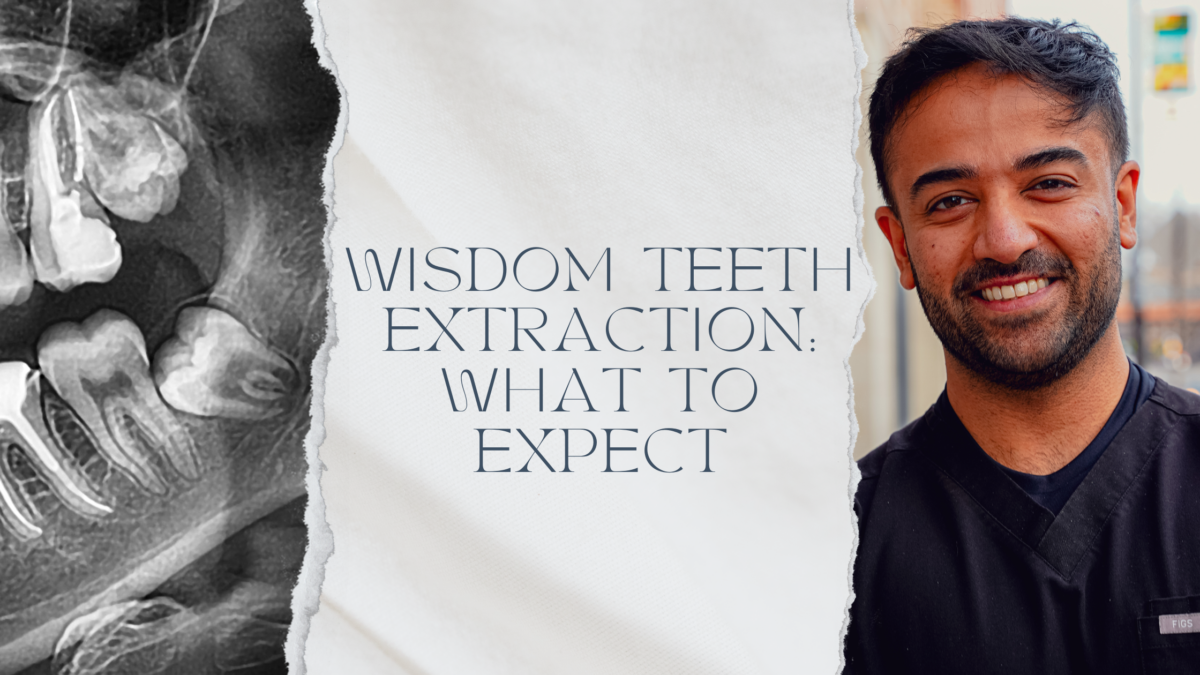
Wisdom Teeth Extraction: What to Expect

Wisdom teeth are a common concern for many adults. These third molars, which typically emerge between the ages of 17 and 25, often cause problems like pain, crowding, or infections. For many, wisdom teeth extraction becomes necessary to maintain oral health. If you’re facing this procedure, understanding what to expect can ease your anxiety and help you prepare. This comprehensive guide covers everything you need to know about wisdom teeth extraction, from preparation to recovery.


Understanding Wisdom Teeth

Wisdom teeth are the last set of molars to develop, located at the back of your mouth. While some people have no issues with their wisdom teeth, many experience complications due to:

  • Impaction: Wisdom teeth can become trapped under the gums or jawbone, leading to pain and swelling.
  • Crowding: If there’s not enough room for them to emerge, they can push against neighboring teeth.
  • Infections: Partially erupted wisdom teeth can create pockets where bacteria thrive, causing infections.

Signs You Might Need Extraction

  • Persistent pain or discomfort in the back of your mouth.
  • Swollen or tender gums.
  • Difficulty opening your mouth or chewing.
  • Recurring infections or bad breath.

When and Why Is Wisdom Teeth Extraction Necessary?

Not all wisdom teeth need to be removed. However, dentists often recommend extraction in the following scenarios:

  • Impacted Teeth: When teeth are trapped and cannot emerge properly.
  • Recurrent Infections: Inflammation or infection around the teeth.
  • Orthodontic Reasons: Preventing wisdom teeth from disrupting existing dental work.
  • Cysts or Tumors: Rare cases where cysts develop around impacted teeth.

Risks of Delaying Removal

  • Increased risk of decay or gum disease.
  • Permanent damage to neighboring teeth.
  • Formation of cysts or abscesses.

Preparing for Wisdom Teeth Extraction

Proper preparation can make your experience smoother. Here’s how to get ready:

Questions to Ask Your Dentist

  • Do all my wisdom teeth need to be removed?
  • What type of anesthesia will be used?
  • How long will the procedure take?
  • What is the estimated recovery time?

Pre-Procedure Instructions

  • Fast Before Surgery: Avoid eating or drinking for at least 6-8 hours if you’re receiving sedation.
  • Arrange Transportation: You’ll need someone to drive you home.
  • Wear Comfortable Clothing: Opt for loose-fitting clothes and tie back long hair.

Understanding Anesthesia Options

  • Local Anesthesia: Numbs the extraction site while keeping you awake.
  • Sedation Anesthesia: Makes you drowsy and relaxed during the procedure.
  • General Anesthesia: Renders you unconscious, typically used for complex cases.

What Happens During the Procedure?

Knowing the steps involved in wisdom teeth extraction can help you feel more at ease:

  • Anesthesia Administration: The dentist or oral surgeon will administer the chosen anesthesia.
  • Incision: If the tooth is impacted, an incision will be made in the gum to access the tooth.
  • Tooth Removal: The tooth may be extracted in one piece or broken into smaller pieces for easier removal.
  • Stitching and Gauze: The site is stitched, if necessary, and gauze is placed to control bleeding.

How Long Does It Take?

The procedure typically lasts 45 minutes to an hour, but this varies depending on the complexity of the case.


Recovery and Aftercare

Post-surgery care is crucial for a smooth recovery. Here’s what to expect:

Immediate Post-Surgery Care

  • Rest: Take it easy for the first 24 hours.
  • Control Bleeding: Bite gently on gauze and replace it as needed.
  • Swelling Reduction: Use ice packs on your cheeks for 20-minute intervals.

Foods to Eat and Avoid

  • Recommended Foods:
    • Smoothies
    • Mashed potatoes
    • Yogurt
    • Broth-based soups
  • Foods to Avoid:
    • Crunchy or hard foods (chips, nuts).
    • Hot foods and beverages.
    • Sticky foods (caramel, gum).

Managing Pain and Preventing Complications

  • Medications: Take prescribed pain relievers and antibiotics as directed.
  • Avoid Dry Socket: Don’t use straws or smoke for at least a week.
  • Oral Hygiene: Brush carefully around the surgical site and rinse with saltwater.

Typical Recovery Timeline

  • First 24-48 Hours: Swelling and mild discomfort.
  • 3-5 Days: Gradual reduction in pain and swelling.
  • 1 Week: Stitches are removed or dissolve.
  • 2 Weeks: Full recovery in most cases.

Potential Risks and Complications

While wisdom teeth extraction is a routine procedure, complications can occur:

Common Risks

  • Swelling and bruising.
  • Minor bleeding.
  • Soreness in the jaw.

Less Common Complications

  • Dry Socket: Pain caused by a dislodged blood clot.
  • Infection: Signs include fever, persistent swelling, or pus.
  • Nerve Damage: Rare but can cause temporary or permanent numbness.

When to Call Your Dentist

  • Severe or worsening pain after a few days.
  • Difficulty swallowing or breathing.
  • Excessive bleeding that doesn’t subside.

Tips for a Smooth Recovery

Following these tips can help you heal faster and more comfortably:

  1. Follow Aftercare Instructions: Adhere to your dentist’s guidance.
  2. Stay Hydrated: Drink plenty of water but avoid straws.
  3. Rest Well: Avoid strenuous activities for a few days.
  4. Cold Compresses: Reduce swelling by applying ice packs.
  5. Stick to Soft Foods: Gradually reintroduce solid foods as you heal.

Frequently Asked Questions

1. Can All Wisdom Teeth Be Removed at Once?

Yes, in most cases, all four wisdom teeth are removed in a single procedure for convenience and efficiency.

2. Is It Better to Remove Wisdom Teeth Early?

Removing wisdom teeth before they cause problems can prevent complications like impaction and infections.

3. How Much Does Wisdom Teeth Extraction Cost?

Costs vary depending on factors like location, anesthesia, and complexity, ranging from $200 to $1,000 per tooth.


Conclusion

Wisdom teeth extraction is a common and often necessary procedure that can prevent serious dental issues. By understanding what to expect, preparing properly, and following aftercare instructions, you can navigate this process with confidence. If you suspect your wisdom teeth might need removal, consult your dentist for a personalized evaluation and treatment plan.

Schedule a consultation today to ensure your oral health stays on track!

The Benefits of Restorative Dentistry for Damaged Teeth

Tooth damage can have a significant impact on both your oral health and self-confidence. Whether it’s due to decay, trauma, or wear, restoring damaged teeth is essential for maintaining proper function and a beautiful smile. Restorative dentistry offers a range of solutions to repair teeth and replace missing ones, ensuring long-term oral health.

This article will guide you through the essentials of restorative dentistry, helping you understand its benefits, common treatments, and what to expect from the process.


What is Restorative Dentistry?

Restorative dentistry refers to dental procedures that repair or replace damaged or missing teeth. The primary goal is to restore normal function (chewing, speaking, and maintaining the structure of the jaw) while also improving the appearance of your smile. Treatments can vary from simple fillings to more complex procedures like dental implants or bridges.

Key Treatments in Restorative Dentistry Include:

  • Fillings: Used to restore teeth with cavities.
  • Crowns: Caps that cover and protect a damaged tooth.
  • Dental Implants: Replacements for missing teeth that function like natural teeth.
  • Bridges: Fill the gap created by one or more missing teeth.

Common Causes of Tooth Damage

Understanding what causes tooth damage can help you take steps to prevent it in the future and know when it’s time to seek restorative care. The most common causes include:

  • Tooth Decay: Cavities caused by bacteria in the mouth.
  • Trauma: Accidents or injuries can chip, crack, or knock out teeth.
  • Gum Disease: Infections that damage the tissues supporting your teeth.
  • Wear and Tear: Grinding your teeth or normal wear over time can lead to enamel erosion.

Addressing tooth damage early is crucial to prevent further complications, such as infection or tooth loss, which may require more extensive treatment.


Types of Restorative Dentistry Treatments

There are several types of restorative treatments available, depending on the extent of the damage or tooth loss. Each treatment serves a unique purpose and can be tailored to your needs.

1. Fillings

  • Used to repair cavities and prevent further decay.
  • Can be made from materials such as amalgam (metal), composite resin (tooth-colored), or porcelain.

2. Crowns

  • Protect and strengthen teeth that are weak, broken, or worn down.
  • Made from materials like porcelain, metal, or a combination of both.
  • Covers the entire tooth, restoring its shape, size, and appearance.

3. Dental Implants

  • Ideal for replacing missing teeth.
  • A titanium post is surgically placed into the jawbone, serving as an artificial tooth root. Once healed, a crown is attached, providing a permanent and durable solution.
  • Implants look, feel, and function like natural teeth.

4. Bridges

  • Used to replace one or more missing teeth.
  • Supported by neighboring teeth or implants, they literally “bridge” the gap left by a missing tooth.

5. Inlays and Onlays

  • Used when a cavity is too large for a simple filling but not extensive enough for a crown.
  • Inlays fill the space between the cusps of a tooth, while onlays cover a larger portion, including one or more cusps.

6. Dentures

  • Full or partial dentures can replace multiple missing teeth.
  • While they aren’t permanent, dentures can restore the ability to eat and speak properly and improve the appearance of your smile.

Benefits of Restorative Dentistry

Restorative dentistry offers both functional and aesthetic benefits. Here’s why it’s essential for maintaining your oral health:

  • Improved Function: Restorative procedures restore the ability to chew and speak clearly. Missing or damaged teeth can make these basic functions difficult.
  • Aesthetic Appeal: Repairing or replacing teeth not only restores oral health but also improves the appearance of your smile, giving you more confidence.
  • Prevention of Further Damage: By addressing tooth damage early, you prevent infections, additional tooth loss, and more invasive procedures down the road.
  • Long-Term Oral Health: Restorative treatments help maintain proper jaw alignment and bite, preventing issues like TMJ disorders.

What to Expect During Restorative Dentistry Procedures

Before any restorative treatment, your dentist will perform a thorough evaluation, including X-rays, to determine the best course of action. Here’s what you can typically expect from the process:

  • Consultation and Diagnosis: Your dentist will discuss your options based on the extent of the damage and your long-term dental goals.
  • Treatment Plan: A detailed plan is created, including the timeline, materials used, and the number of visits required.
  • Procedure: Depending on the treatment, you may require local anesthesia or sedation.
  • Recovery: After the procedure, your dentist will provide aftercare instructions. Recovery times vary, but most people can return to their daily routine shortly after minor treatments like fillings. More extensive procedures, such as implants, may require a few weeks of healing.

Choosing the Right Restorative Option for You

Not all restorative treatments are one-size-fits-all. Several factors come into play when choosing the right option for your needs:

  • Extent of Damage: Minor issues like cavities may only require fillings, while missing or severely damaged teeth may need crowns, bridges, or implants.
  • Long-Term Goals: Consider whether you want a temporary or permanent solution. Implants, for instance, are a long-term investment, while dentures may be more affordable but less durable.
  • Budget: Some restorative treatments are more expensive than others. Dental implants, while highly effective, can be costly. Be sure to discuss all costs with your dentist, including financing options.

Caring for Restorative Dental Work

Proper care is essential for maintaining the longevity of your restorative dental work. Follow these tips to ensure your new smile stays healthy and functional:

  • Daily Oral Hygiene: Brush twice a day and floss daily, paying special attention to the areas around your restorations.
  • Regular Dental Visits: Schedule check-ups every six months to ensure that your restorations are holding up well and your oral health is maintained.
  • Avoid Hard or Sticky Foods: Crowns, bridges, and fillings can be damaged by chewing on hard objects like ice or sticky foods like caramels.
  • Consider a Nightguard: If you grind your teeth at night, ask your dentist about a nightguard to protect your restorations from damage.

 Restorative Dentistry vs. Cosmetic Dentistry

While restorative and cosmetic dentistry often overlap, they serve different purposes. Restorative dentistry focuses on function—repairing damaged teeth to restore proper chewing and speaking abilities. Cosmetic dentistry, on the other hand, primarily enhances the appearance of your smile through procedures like teeth whitening or veneers.

However, many restorative procedures, such as crowns and implants, also improve the aesthetics of your smile, giving you the best of both worlds.


Conclusion: A Healthier Smile with Restorative Dentistry

Restorative dentistry plays a crucial role in helping those with damaged or missing teeth regain their oral health, function, and confidence. By understanding the various treatments available and the benefits they offer, you can make an informed decision about the right solution for your smile.

If you’re dealing with tooth damage, consult with your dentist to explore the best restorative options and ensure a healthier, brighter smile for the future.

Why More Patients Are Choosing Dental Membership Plans

In recent years, dental membership plans have gained significant traction as a popular alternative to traditional dental insurance. More patients are opting for these plans due to their cost-effectiveness, simplicity, and tailored coverage. Unlike insurance, dental membership plans often provide better value, especially for routine care. In this article, we’ll explore what dental membership plans are, how they work, why they’re becoming so popular, and who can benefit the most from them.


What Are Dental Membership Plans?

Definition:

Dental membership plans are subscription-based programs offered directly by dental practices to their patients. These plans serve as an alternative to traditional dental insurance, focusing on making dental care more affordable and accessible.

Key Features of Dental Membership Plans:

  • Subscription Model: Patients pay a monthly or yearly fee.
  • Preventive Care Coverage: Most plans include regular cleanings, exams, and X-rays.
  • Discounts on Procedures: Members enjoy discounts on additional services like fillings, crowns, and cosmetic procedures.

With no third-party involvement, patients can build a direct relationship with their dentist, knowing exactly what services they’re getting and at what cost.


Why Are People Switching to Dental Membership Plans?

There are several reasons why more people are switching to dental membership plans over traditional insurance:

1. Cost-Effectiveness:

Many patients find membership plans more affordable than dental insurance. There are no surprise fees, co-pays, or deductibles to worry about, and preventive care is usually included at no extra cost.

2. Flexibility:

Dental membership plans offer more freedom, with no waiting periods, coverage limits, or restrictions on pre-existing conditions. Patients can begin using their plan immediately after signing up.

3. Transparency:

Unlike traditional insurance, dental membership plans provide clear, upfront pricing. Patients know exactly what they’re paying for, reducing financial uncertainty.

4. No Middleman:

With membership plans, patients work directly with their dentist’s office. There are no third-party insurance companies involved, which streamlines the process and eliminates the need for claim approvals.


Who Can Benefit Most from Dental Membership Plans?

1. Patients Without Insurance:

For individuals who don’t have access to employer-provided dental insurance, a dental membership plan can be a cost-effective alternative.

2. Retirees and Seniors:

Seniors, who often face limited insurance options, find dental membership plans to be an affordable way to maintain their oral health without worrying about high out-of-pocket expenses.

3. Families:

Many families opt for dental membership plans to ensure that everyone, from children to adults, has access to regular care without the hassle of dealing with traditional insurance.

4. Patients Needing Regular Care:

Patients with ongoing dental needs, such as those requiring multiple cleanings or more frequent treatments, greatly benefit from membership plans’ predictable pricing and discounts on procedures.


Comparing Dental Membership Plans to Dental Insurance

Key Differences Between Dental Membership Plans and Traditional Insurance:

  • No Deductibles: Dental membership plans don’t require meeting a deductible before services are covered.
  • Fewer Exclusions: These plans often cover treatments that insurance may not, such as cosmetic procedures.
  • Simpler Enrollment: Dental membership plans are easier to sign up for, with less paperwork and fewer restrictions.
  • More Affordable: Membership plans typically offer better value for preventive care and minor procedures, especially for patients without significant restorative needs.

Common Myths About Dental Membership Plans

1. “Membership Plans Are Just Like Insurance”:

This is a common misconception. Unlike insurance, dental membership plans don’t involve third-party companies. Patients work directly with their dentist and receive immediate care.

2. “You Can’t Save Enough”:

Many patients save a significant amount of money, especially when factoring in the free preventive care and discounts on other procedures.

3. “Membership Plans Only Cover Basic Care”:

While most plans emphasize preventive care, many offer discounts on more advanced procedures like crowns, fillings, and even cosmetic treatments.


Conclusion: The Future of Dental Care with Membership Plans

Dental membership plans are becoming an increasingly popular option for patients who want affordable, accessible, and transparent dental care. Whether you’re uninsured, retired, or simply looking for a better alternative to dental insurance, these plans offer a cost-effective way to maintain your oral health.

Consider exploring dental membership plans today to see if they’re the right fit for you and your family. They may just be the key to affordable, high-quality dental care without the complications of traditional insurance.

Book Your Appointment

Fill out the form below to request your appointment date. A member of our team will reach out shortly to schedule your appointment and answer any questions you may have.