Does Teeth Whitening Damage Your Enamel? The Truth From a Secure Dental Doctor

Answered by Dr. Lunan Shao, Secure Dental in Portage, Indiana

“Patients ask me this before almost every whitening conversation. Here is the honest answer: properly selected teeth-whitening products should not destroy healthy enamel when they are used exactly as directed. Problems are more likely when someone uses too much gel, whitens too frequently, combines several products, or begins treatment without checking whether their teeth and gums are healthy.”

Professional guidance matters because not every dark or discolored tooth should be treated the same way. Whitening can improve many common stains, but it cannot repair decay, cracks, gum recession, or damaged dental work.

Before trying to make your teeth lighter, it is worth finding out why they changed color in the first place.

How Does Teeth Whitening Actually Work?

Most bleaching products use either hydrogen peroxide or carbamide peroxide as the active ingredient.

These whitening agents move through the outer enamel and react with stain molecules inside the tooth. They break larger, darker stain molecules into smaller pieces, making the color less concentrated and the teeth appear brighter. The American Dental Association describes the process as breaking stains into smaller pieces rather than simply scraping away the tooth surface.

That distinction is important.

Bleaching gel is not supposed to grind off a layer of healthy enamel. It changes the appearance of stain molecules through a chemical reaction. However, the concentration, contact time, application method, and condition of the teeth all affect how safely the product can be used.

Whitening toothpaste works differently. Most whitening toothpastes primarily use mild abrasives or polishing agents to remove surface stains. They may help with stains from coffee, tea, or tobacco, but they usually do not change the deeper natural color of the tooth the way peroxide-based bleaching can.

Does Teeth Whitening Permanently Weaken Enamel?

When an appropriate whitening product is used according to professional or manufacturer instructions, permanent enamel damage is not the expected outcome.

That does not mean every whitening method is harmless under every circumstance. Excessive exposure, high concentrations, poor-fitting trays, and unregulated products can irritate the gums and increase sensitivity. Whitening chemicals should not be treated as something you can apply repeatedly until you reach an unnaturally white shade.

The safest approach is to have your teeth and gums evaluated first. Cavities, exposed roots, cracked teeth, leaking fillings, and gum disease can all make whitening uncomfortable or inappropriate.

It is also important to have realistic expectations. Every natural tooth has a baseline shade. Whitening is intended to reduce discoloration, not make every smile paper-white.

Store-Bought Whitening Versus Dentist-Provided Whitening

Many store-bought and dentist-provided whitening products use similar peroxide ingredients. The differences often involve the concentration, delivery system, treatment instructions, monitoring, and whether your mouth was evaluated before treatment.

Store-Bought Whitening

Over-the-counter options may include:

  • Whitening strips
  • Brush-on gels
  • Prefilled trays
  • Whitening pens
  • Whitening toothpaste
  • Whitening rinses

These products may be appropriate for some adults when used according to the package directions. Products with the American Dental Association Seal of Acceptance have been evaluated for safety and effectiveness for their stated purpose.

However, a universal strip or tray may not fit every mouth evenly. Gel can contact the gums, miss rotated teeth, or produce uneven results around existing dental work.

Over-the-counter products may also take longer to achieve a result comparable to a dentist-supervised approach.

Dentist-Provided Whitening

A dentist-provided system allows the dental team to determine whether whitening is likely to work before you purchase a product.

That evaluation may identify:

  • Cavities that should be treated first
  • Gum recession or exposed roots
  • Existing crowns, veneers, bonding, or fillings
  • One unusually dark tooth that may have been injured
  • Stains that are unlikely to respond predictably
  • Existing sensitivity that requires a modified plan

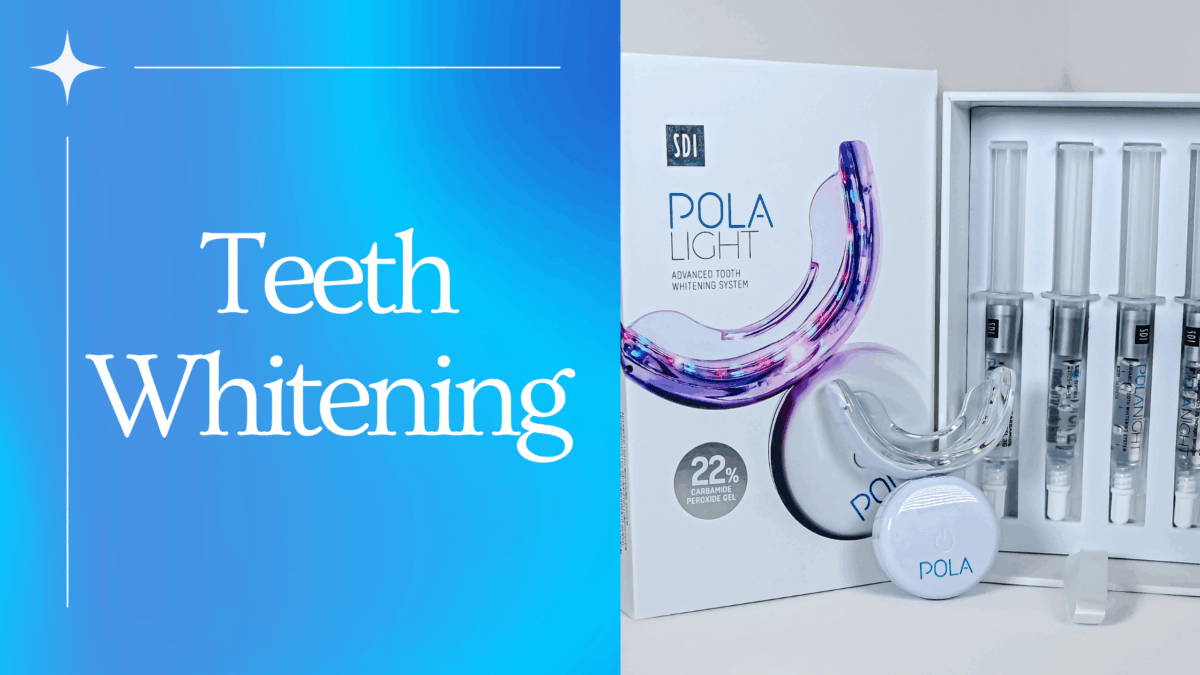
Professional does not always mean that you must sit in the dental chair for a long bleaching appointment. Secure Dental currently provides a take-home system called Pola Light. It includes whitening gel and a reusable LED mouthpiece for treatment at home.

Who Should Not Whiten Their Teeth Yet?

Whitening is elective, so oral health concerns should generally be treated first.

You may be advised to postpone or avoid whitening if you have:

  • Untreated cavities
  • Cracked or broken teeth
  • Active gum disease
  • Significant gum recession
  • Exposed tooth roots
  • Severe existing sensitivity
  • Mouth sores or irritated gum tissue
  • An allergy or sensitivity to product ingredients

Crowns, Veneers, Fillings, and Bonding

Whitening gel changes the shade of natural tooth structure. It does not predictably lighten porcelain crowns, veneers, implants, dentures, composite bonding, or tooth-colored fillings.

This can create a color mismatch. For example, your natural teeth may become lighter while a crown on a front tooth remains the same shade.

That does not necessarily mean you cannot whiten. It means the sequence needs to be planned carefully. In some cases, whitening is completed before a new crown or veneer is made so the restoration can be matched to the final tooth shade.

Our upcoming guide, “What’s the Difference Between a Crown and a Veneer?,” will explain how those restorations differ and when each may be recommended.

Pregnancy and Breastfeeding

Because whitening is cosmetic and research during pregnancy is limited, many dental professionals recommend postponing bleaching until after pregnancy and breastfeeding.

The NHS currently advises against whitening during pregnancy or breastfeeding and recommends confirming that the teeth and gums are healthy before treatment.

Routine examinations and necessary dental care should still continue during pregnancy. Postponing cosmetic whitening does not mean postponing oral healthcare.

Why Does Whitening Cause Sensitivity?

Temporary tooth sensitivity is the most common side effect of peroxide whitening.

Peroxide can move through the enamel and dentin toward the inner portion of the tooth. This may temporarily irritate the dental pulp, which contains the tooth’s nerves and blood supply. Higher peroxide concentrations can increase the likelihood of sensitivity, although sensitivity can occur with both store-bought and dentist-dispensed products.

You may notice:

  • A quick response to cold air
  • Sensitivity when drinking cold water
  • Brief, sharp sensations in individual teeth
  • Mild gum irritation if gel contacts the tissue

This discomfort is usually temporary. It should not be ignored if it becomes severe, continues after whitening has stopped, or affects one specific tooth much more than the others.

How Can Whitening Sensitivity Be Reduced?

Sensitivity can often be managed by adjusting how whitening is performed.

Your dentist may recommend:

  • Using a sensitivity toothpaste before and during treatment
  • Whitening less frequently
  • Shortening each whitening session
  • Using less gel
  • Taking a temporary break
  • Treating cavities or exposed areas first
  • Avoiding very hot or cold foods during treatment

Do not continue increasing the frequency because the result seems too slow. Whitening more often than directed does not guarantee a better color, and it can make the experience considerably less comfortable.

If whitening causes actual pain, stop using the product and contact your dentist.

What Does Secure Dental Use for Teeth Whitening?

Secure Dental currently offers Pola Light Tooth Whitening, a take-home system available through its offices.

The system uses a rechargeable LED mouthpiece and whitening gel. Secure Dental currently lists a 22% carbamide peroxide formula with two 15-minute sessions per day for five days. Patients should follow the instructions included with their specific kit because product formulations and recommended schedules can vary.

Secure Dental states that the kit includes ingredients intended to improve comfort and reduce sensitivity. The system does not require custom trays or an extended whitening appointment in the office.

The LED mouthpiece does not replace the whitening gel. The peroxide gel is the part that changes the stain molecules. The system should still be used only for the recommended amount of time.

How Long Do Whitening Results Last?

Whitening is not permanent.

Coffee, tea, red wine, tobacco, dark sauces, aging, and daily habits can gradually cause new discoloration. Secure Dental notes that Pola Light results are typically at their brightest during the first six months before slowly diminishing, although individual results vary.

You can help maintain the result by:

  • Brushing twice daily
  • Cleaning between your teeth
  • Attending professional cleanings
  • Rinsing with water after dark beverages
  • Limiting tobacco use
  • Following the recommended touch-up schedule

Do not assume that every return of staining requires another full whitening cycle. Ask your dentist how often touch-ups are appropriate for your teeth.

Can I Whiten My Teeth If I Have Veneers?

Whitening gel will not change the color of veneers.

If the natural teeth around your veneers have darkened, whitening may create a closer match in some cases. It can also create a greater mismatch if the result is not planned carefully.

Schedule an examination before whitening when you have visible crowns, veneers, bonding, or fillings.

Is Teeth Whitening Safe?

Teeth whitening can be safe for healthy adult teeth when an appropriate product is used correctly.

The best candidate has healthy teeth and gums, understands that restorations will not lighten, and has realistic expectations about the final result.

Request a whitening assessment with Dr. Lunan Shao at Secure Dental, 6129 US Highway 6, Portage, Indiana 46368.

Call (219) 364-6385 or visit the Secure Dental Portage location page to request an appointment. The Portage office offers tooth whitening, veneers, clear aligners, and other cosmetic dental services.

We will tell you whether whitening is appropriate before you begin treatment.

Ask Your Own Question

Have a dental question you would like a Secure Dental doctor to answer?

About Dr. Lunan Shao

Dr. Lunan Shao, DDS

Dr. Lunan Shao is a dedicated associate dentist at Secure Dental’s Portage location. She earned her Bachelor’s degree in Bioengineering from UC San Diego in 2016 and went on to achieve her Doctorate of Dental Surgery from the University of Michigan in 2021, where her academic achievements led to her induction into the dental honor society, Omicron Kappa Upsilon.

Dr. Shao is not only passionate about dentistry but also possesses a diverse range of interests, showcasing her love for culinary experiences as a self-proclaimed foodie. An avid traveler, she dreams of exploring Paris in the future.

Outside of the dental office, Dr. Shao finds joy in the company of her Japanese Shiba Inu named PooPoo, and confesses that coffee is an indispensable part of her daily routine. In her leisure time, she indulges in her love for travel, sports, poker, and a variety of board games.

Request an appointment with Dr. Lunan Shao in Portage.

Professional Teeth Whitening: A Brighter Smile In A Safe, Controlled Way

Teeth can pick up stains the same way a favorite mug does—little by little, without you noticing day to day. Coffee, tea, red sauces, wine, and even some healthy foods can leave color behind. Age can also make teeth look darker over time. If you want a noticeable change without guessing, professional teeth whitening is one of the most direct ways to brighten your smile safely.

Professional teeth whitening isn’t about making your teeth look unnatural. It’s about lifting stains in a controlled way, with guidance from a dental team that understands tooth enamel, sensitivity, and the best results for your specific smile. For many people, professional teeth whitening feels like a simple step that makes a big difference.

What Professional Teeth Whitening Actually Does

Professional teeth whitening uses whitening agents designed to break up stains in enamel and lighten the shade of your teeth. These stains can be:

  • Surface stains from food and drinks
  • Deeper stains that have settled over time
  • Age-related darkening as enamel thins and the inner tooth shade shows through

The key benefit of professional teeth whitening is that it’s monitored. That means your dentist can help you choose the right approach, reduce the chance of irritation, and guide you toward the most even, attractive results.

Professional Teeth Whitening Vs. Store-Bought Options

Many people try over-the-counter strips, gels, or kits first. Some work a little, but results can be uneven, and sensitivity can be a surprise. Professional teeth whitening is different because it’s customized and supervised.

Here are common differences explained in plain language:

  • Fit and coverage: Professional options often cover teeth more evenly, reducing patchy results.
  • Strength and timing: Professional teeth whitening is designed to be effective while still being used in a safe, controlled way.
  • Sensitivity planning: Your dental team can recommend steps to lower sensitivity before and after whitening.
  • Realistic expectations: A dentist can tell you whether whitening will work well for your type of discoloration.

It’s also important to know that professional teeth whitening brightens natural tooth enamel. It does not change the color of crowns, fillings, or veneers. That’s not a problem—it just means planning matters if you have dental work in visible areas.

What To Expect From Professional Teeth Whitening

Every smile is different, so professional teeth whitening can be done in more than one way. Your dentist will recommend the best plan based on your goals and your teeth.

Step 1: An Exam First

Before professional teeth whitening, your dentist checks for:

  • Cavities that need treatment
  • Gum irritation that could increase sensitivity
  • Worn enamel or cracks that need protection
  • Existing dental work that might affect shade matching

This step helps you whiten safely and avoid discomfort.

Step 2: Choosing Your Whitening Approach

Some patients prefer a faster, in-office result. Others prefer a gradual change at home with professional guidance. Either way, professional teeth whitening is designed around safety and predictable results.

Step 3: Whitening And Aftercare

After whitening, you’ll get guidance on what to avoid and how to maintain results. The first 24–48 hours can be important because teeth may be more likely to re-stain quickly during that window.

How Long Professional Teeth Whitening Lasts

A common question is: “How long will it stay bright?” The honest answer depends on habits. Professional teeth whitening results can last longer when you:

  • Limit dark beverages or rinse after drinking them
  • Avoid smoking or tobacco
  • Keep up with routine cleanings
  • Use a straw for certain drinks when appropriate
  • Brush and floss daily

Teeth can still stain again over time. But many people find that once they do professional teeth whitening, maintenance feels easier because you’re starting from a brighter baseline.

Benefits Of Professional Teeth Whitening

If your goal is a noticeable brightness boost without guessing, professional teeth whitening offers clear advantages.

Benefits of professional teeth whitening include:

More predictable results
Because it’s guided by a dental team, professional teeth whitening often produces more even, reliable results.

A brighter smile in a controlled setting
You’re not experimenting at home. Professional teeth whitening follows a plan designed for your teeth.

Sensitivity support
Your dentist can help reduce sensitivity with the right timing, products, and instructions.

A confidence boost that feels simple
Professional teeth whitening is one of the least invasive cosmetic dental options available.

A cleaner-looking smile
Whiter teeth can make your smile look refreshed and healthy, even without other changes.

Personalized guidance
Your dental team can advise how to maintain results and whether whitening is ideal for your tooth shade and dental work.

Who Is A Good Candidate For Professional Teeth Whitening?

Many people are good candidates for professional teeth whitening, especially if discoloration is from food, drinks, or aging. You may be a strong candidate if:

  • Your teeth and gums are healthy
  • You have yellow or light-brown staining
  • You want a non-invasive change

You may need a different approach if:

  • You have untreated cavities or gum issues
  • You have heavy gray staining (some stains respond differently)
  • You have many visible crowns or veneers (which won’t whiten)

A quick evaluation helps set expectations and ensures professional teeth whitening is comfortable.

How To Get The Best Results From Professional Teeth Whitening

A few practical tips can help your whitening results look more even and last longer.

Professional cleaning removes plaque and tartar, which can make whitening look more consistent.

Avoid heavy staining foods and drinks right after whitening

The first day or two matters. Your dental team will usually recommend avoiding items that stain easily.

Use gentle, enamel-friendly habits

Brush with fluoride toothpaste. Avoid aggressive scrubbing that can wear enamel.

Manage sensitivity the smart way

If you’ve had sensitivity before, ask about steps like:

  • Using a toothpaste designed for sensitivity beforehand
  • Spacing out whitening sessions if recommended
  • Avoiding very hot or very cold foods right after whitening

Professional teeth whitening should feel manageable. You shouldn’t feel like you have to “tough it out.”

Whitening Myths That Cause Confusion

Myth: “Whitening damages teeth”

When done correctly, professional teeth whitening is designed to be safe for enamel. That’s one reason supervision matters.

Myth: “If I whiten once, it stays forever”

Whitening isn’t permanent, but it can last a long time with good habits and occasional touch-ups.

Myth: “Whitening works the same for everyone”

Tooth shade, enamel thickness, and stain type all matter. Professional teeth whitening helps you choose a plan that fits your smile.

Professional teeth whitening is a simple, patient-friendly way to brighten your smile with guidance you can trust. It helps lift stains, refresh your look, and create a cleaner, brighter appearance—without changing the natural shape of your teeth. The best results come from a plan that fits your enamel, your sensitivity level, and your long-term goals.

Ready to see what professional teeth whitening can do for your smile? Contact your local Secure Dental practice to schedule your consultation or book an appointment. Secure Dental has 9 convenient locations across Iowa, Indiana, Illinois, and Tennessee to help you secure your smile goals.

What Is Professional Teeth Whitening?

Professional teeth whitening offers safe, fast, and dramatic results compared to store-bought options. This guide explains how the treatment works, what it costs, who it’s best for, and how to maintain your whiter smile.

Professional Teeth Whitening: Brighten Your Smile Safely and Predictably

A brighter smile can make everyday moments feel a little easier—whether you’re meeting someone new, taking a photo with friends, or simply enjoying how fresh your mouth feels after a good cleaning. It’s natural to wonder what options actually work and which ones are just hype. Professional Teeth Whitening is popular for a simple reason: it is designed to deliver noticeable results while keeping comfort and safety front and center.

In this article, you’ll learn how Professional Teeth Whitening works, what to expect during treatment, and how to keep your results looking great without guesswork.

How Professional Teeth Whitening Works (In Plain Language)

Teeth can look darker for many reasons. Some color changes happen on the surface from foods and drinks like coffee, tea, red wine, and dark berries. Other color changes happen inside the tooth over time. Age, certain medications, past injuries, and even the natural thickness of enamel can influence shade.

Professional Teeth Whitening uses whitening ingredients that release oxygen into the tooth structure. That oxygen helps lift and break apart stain particles so the tooth looks lighter. The key difference with in-office treatment is control: the materials are applied carefully, the soft tissues are protected, and the process is monitored so the whitening is both effective and comfortable.

You may also hear about take-home trays made by a dental office. These can still fall under Professional Teeth Whitening because they’re custom-fit and guided by a dentist. The biggest advantage is the fit: custom trays help keep the whitening gel where it belongs and reduce the chance of irritating your gums.

It’s important to know what whitening can and cannot do. Professional Teeth Whitening targets natural tooth enamel and dentin. It does not change the color of crowns, veneers, fillings, or bonding. If you have restorations on front teeth, your dental team can help you plan whitening in a way that still looks even and natural.

In-Office vs. Store-Bought Options: What’s the Real Difference?

Many people start with over-the-counter strips or kits. Some work modestly, but results can be uneven, and sensitivity can be a surprise. Professional Teeth Whitening is different because it is customized and supervised.

Here are a few practical differences to consider:

Strength and timing
Store-bought products often use lower-strength whitening ingredients. That can mean slower results and more days of use. Professional Teeth Whitening is designed to be efficient, often producing noticeable changes in a single visit or a short series of guided applications.

Protection for gums
When whitening gel touches gums, it can cause irritation. With Professional Teeth Whitening, protective steps are taken to keep the gel on the teeth and off soft tissues.

Personalized shade goals
Not everyone wants the same level of brightness. Some people want a subtle refresh. Others want a bigger change. Professional Teeth Whitening gives you a more predictable path, with a plan that matches your preferences and your tooth starting point.

Better fit for take-home whitening
If your dentist recommends at-home whitening as part of your plan, custom trays are a big upgrade. They support Professional Teeth Whitening results by applying the gel evenly across your teeth, reducing patchy whitening.

Store-bought options aren’t “bad,” but they aren’t ideal for everyone. If you’ve tried them and felt disappointed—or uncomfortable—Professional Teeth Whitening can offer a more controlled, guided experience.

What to Expect During Professional Teeth Whitening at Secure Dental

When patients consider Professional Teeth Whitening, they often worry about two things: sensitivity and whether the results will look natural. The good news is that a well-planned approach can address both.

Here’s what a typical visit may include:

Step 1: A quick check of your teeth and gums
Before whitening, the team checks for cavities, cracks, gum inflammation, and old fillings that may need attention. Whitening works best on a healthy foundation. If you have buildup on teeth, a cleaning may be recommended first so the whitening can work more evenly.

Step 2: Shade matching and setting expectations
Your starting shade is recorded. This helps track progress and guides realistic goals. Professional Teeth Whitening usually produces a “brighter, cleaner” look rather than an artificial white. The goal is improvement that still suits you.

Step 3: Protecting the soft tissues
The lips and gums are protected so the whitening gel stays on tooth enamel. This is one of the reasons Professional Teeth Whitening tends to feel more comfortable than DIY whitening.

Step 4: Whitening application
The whitening gel is applied and left on for a controlled amount of time. Some systems use a special light, and others do not. Either way, the important part is the careful timing and monitoring.

Step 5: After-care guidance
You’ll leave with simple instructions for the next day or two. This might include avoiding strong-staining foods and drinks for a short time and using a sensitivity-friendly toothpaste if needed.

Some patients also choose a take-home plan after an in-office visit. Combining the two can be a smart way to reach your shade goal while still keeping comfort in mind. That combination is still Professional Teeth Whitening because it is guided and customized by your dental team.

Sensitivity: Why It Happens and How to Keep It Manageable

Tooth sensitivity is the most common concern with Professional Teeth Whitening. Sensitivity happens because whitening can temporarily open tiny pathways in enamel, allowing fluid movement that triggers nerve response. The good news is that sensitivity usually fades within a day or two.

Ways your team may help reduce sensitivity include:

  • Choosing a whitening strength that matches your needs
  • Shortening sessions or spreading whitening over multiple visits
  • Recommending desensitizing products before or after whitening
  • Suggesting breaks between applications if your teeth are prone to sensitivity

There are also steps you can take at home:

  • Use a toothpaste made for sensitive teeth for about two weeks before and after whitening
  • Brush gently with a soft toothbrush
  • Avoid very hot or very cold foods right after treatment
  • Skip aggressive whitening “boosters” that can irritate teeth

If you’ve had sensitivity before, tell your dental team. Professional Teeth Whitening can often be adjusted so you get great results without unnecessary discomfort.

Benefits of Professional Teeth Whitening Supported by Professional Guidance

Whitening might seem like a simple cosmetic change, but dental professionals approach it with safety and long-term oral health in mind. In professional dental guidance, whitening is most successful when it is planned around your enamel health, gum health, and existing dental work.

Benefits often noted in professional material include:

  • Predictable, even results: Professional Teeth Whitening is designed to reduce patchiness and improve overall brightness.
  • Safety for teeth and gums: Protective steps and supervision help limit irritation and overuse.
  • Customized treatment: Shade goals, sensitivity history, and enamel condition shape the plan.
  • Confidence in the process: Patients often feel more comfortable knowing their whitening is guided by trained dental professionals.
  • Options that fit real life: Many plans can include a single in-office visit, custom trays at home, or a combination.

Professional standards also emphasize responsible whitening. Overusing whitening products can lead to sensitivity, irritation, or an unnatural look. Professional Teeth Whitening helps avoid these problems by choosing the right approach, the right timing, and the right maintenance plan for your mouth.

Keeping Your Results Looking Bright Without Overdoing It

After Professional Teeth Whitening, many people ask, “How long will it last?” The honest answer depends on daily habits and your starting shade. Some people maintain results for a year or longer before wanting a touch-up. Others prefer small refreshes more often.

Helpful habits include:

  • Rinse with water after coffee, tea, or dark foods
  • Use a straw for dark drinks when possible
  • Keep up with routine cleanings so surface stains are removed
  • Don’t smoke or use tobacco products
  • Consider touch-up trays if your plan includes them

If you enjoy coffee or tea daily, that doesn’t mean whitening “won’t work.” It just means maintenance matters. Your dental team can recommend a realistic schedule for touch-ups so you keep the look you like without pushing your teeth too hard.

It’s also smart to avoid internet “whitening hacks.” Baking soda scrubs, lemon juice, or other harsh methods can wear down enamel. Once enamel is damaged, it doesn’t grow back. Professional Teeth Whitening focuses on safer, controlled methods so you improve shade without sacrificing tooth strength.

Final Thoughts: A Brighter Smile Starts with the Right Plan

Professional Teeth Whitening is a reliable way to refresh your smile with guidance and safety built in. It can help lift everyday stains, brighten your teeth evenly, and give you a cleaner-looking shade that still feels natural. The best results come from starting with healthy teeth, choosing the right method, and following a simple maintenance plan.

Ready to see what Professional Teeth Whitening could do for you? Contact your local Secure Dental office to schedule your consultation and book an appointment that fits your schedule. Secure Dental has 9 convenient locations across Iowa, Indiana, Illinois, and Tennessee to help you reach your smile goals with confidence.

How Cosmetic Dentistry Enhances Your Smile’s Appearance

A smile can light up a room, boost your confidence, and positively influence how others perceive you. However, not everyone feels confident about their smile. Misaligned teeth, discoloration, and chipped or missing teeth are just a few reasons people feel self-conscious. Fortunately, cosmetic dentistry offers solutions that can enhance the appearance of your teeth and help you regain your confidence.

Cosmetic dentistry isn’t just about aesthetics; it can also improve your oral health. Whether you want to whiten your teeth, straighten a crooked smile, or fix a damaged tooth, there’s a cosmetic dental procedure for you.


What Is Cosmetic Dentistry?

Cosmetic dentistry focuses on improving the appearance of your teeth, gums, and overall smile. Unlike general dentistry, which addresses dental issues like cavities and gum disease, cosmetic dentistry aims to enhance the visual appeal of your teeth.

Some of the most common concerns cosmetic dentistry addresses include:

  • Discolored or stained teeth
  • Gaps between teeth
  • Misshapen teeth
  • Misaligned or crooked teeth
  • Chips, cracks, or worn-down teeth

If you’re looking to improve the aesthetics of your smile, cosmetic dentistry offers various solutions.


Common Cosmetic Dentistry Treatments

There are several cosmetic dental procedures available, each tailored to address specific concerns:

  • Teeth Whitening: Teeth whitening is one of the most popular cosmetic treatments. It involves removing stains and discoloration to reveal a brighter, whiter smile. Both in-office and at-home treatments are available.
  • Veneers: Veneers are thin, custom-made shells designed to cover the front surface of your teeth. They can correct a variety of issues, including gaps, discoloration, and misshapen teeth, providing a flawless appearance.
  • Dental Bonding: Dental bonding involves applying a tooth-colored resin to repair chips, cracks, and minor gaps in teeth. It’s a more affordable alternative to veneers and can be completed in one visit.
  • Invisalign/Clear Aligners: Clear aligners are a discreet way to straighten misaligned teeth. Unlike traditional braces, clear aligners are nearly invisible and removable, making them a popular option for adults.
  • Dental Crowns: Dental crowns are caps placed over damaged or weakened teeth. They restore the tooth’s shape, strength, and appearance, blending seamlessly with your natural teeth.

Each of these treatments can improve the look and function of your teeth, allowing you to smile confidently.

Benefits of Cosmetic Dentistry

Cosmetic dentistry offers several benefits beyond improving the appearance of your smile:

  • Increased Self-Confidence: A beautiful smile can boost your self-esteem and make you feel more comfortable in social situations.
  • Improved Oral Health: Many cosmetic treatments, such as straightening misaligned teeth or fixing gaps, can enhance your oral health by making it easier to clean your teeth and prevent issues like cavities and gum disease.
  • Youthful Appearance: Brightening your smile or correcting chipped teeth can take years off your appearance, giving you a more youthful, vibrant look.

Cosmetic dentistry is more than just vanity—it’s an investment in your well-being and overall confidence.


Who Is a Good Candidate for Cosmetic Dentistry?

Not everyone may be ready for cosmetic dentistry right away, but if you’re considering improving your smile, ask yourself the following questions:

  • Are you unhappy with the appearance of your teeth? Whether it’s discoloration, gaps, or uneven teeth, cosmetic dentistry can address these concerns.
  • Do you have healthy gums and teeth? Good oral health is essential for any cosmetic procedure. If you have cavities or gum disease, your dentist may need to treat these issues first.
  • Are you willing to invest in your smile? Cosmetic dentistry requires time, effort, and financial investment. It’s important to consider the cost and commitment of the procedure you choose.

If you answered yes to these questions, you might be a good candidate for cosmetic dentistry. It’s always best to consult with a cosmetic dentist who can assess your unique situation and recommend the best treatment plan.

How to Choose the Right Cosmetic Dentistry Procedure

Choosing the right cosmetic treatment can feel overwhelming with so many options available. Here’s a step-by-step guide to help you decide:

  1. Assess your goals: What do you want to achieve with your smile? Is it whiter teeth, a straighter smile, or fixing gaps?
  2. Consult with a cosmetic dentist: A professional can evaluate your oral health, discuss your goals, and recommend procedures tailored to your needs.
  3. Consider cost and time: Some procedures, like teeth whitening, can be completed quickly and affordably. Others, like veneers or clear aligners, may require more time and a greater financial investment.
  4. Look at long-term outcomes: While some treatments offer quick results, others may provide more permanent solutions, such as veneers or dental crowns.

Working with a cosmetic dentist will ensure that you choose the treatment that aligns with your goals, budget, and lifestyle.


The Process: What to Expect from Your Cosmetic Dentistry Journey

Understanding what to expect can help alleviate any concerns you have about cosmetic dental procedures. Here’s a general overview:

  • Consultation: During your initial consultation, your dentist will discuss your goals, evaluate your oral health, and recommend appropriate treatments.
  • Treatment Planning: Once a treatment is chosen, your dentist will create a customized plan, including preparation steps and expected outcomes.
  • Procedure: Some procedures, like teeth whitening, can be completed in one visit. Others, like veneers or clear aligners, may take several appointments to complete.
  • Follow-Up Care: After your procedure, your dentist will provide post-treatment care instructions to help you maintain your new smile.

The process may vary depending on the treatment, but your dentist will guide you every step of the way.

Cost Considerations: Investing in Your Smile

Cosmetic dentistry is an investment in your confidence and oral health. Costs vary depending on the type of procedure, location, and dentist experience. Factors that can affect the cost include:

  • Procedure type: More extensive procedures, such as veneers or crowns, generally cost more than teeth whitening or bonding.
  • Dentist experience: Cosmetic dentists with more experience or those in high-demand areas may charge more for their services.

It’s essential to discuss the cost upfront with your dentist and explore financing options if needed.


Long-Term Care for Your New Smile

Maintaining your new smile is crucial to long-term success. Here are some tips to help keep your results lasting:

  • Maintain good oral hygiene: Brush twice a day, floss regularly, and use mouthwash to prevent plaque buildup and staining.
  • Avoid staining foods and drinks: Limit your intake of coffee, tea, red wine, and other staining foods to keep your teeth white.
  • Attend regular check-ups: Regular dental visits ensure that any minor issues are caught early, preserving your smile for years to come.

Following these tips will help you enjoy the benefits of your cosmetic dental procedure for the long term.


Conclusion: Transform Your Smile, Transform Your Life

Cosmetic dentistry offers a range of solutions for anyone looking to enhance their smile. Whether it’s through teeth whitening, veneers, or clear aligners, these treatments can improve your appearance, boost your confidence, and even contribute to better oral health.

Ready to take the first step? Schedule a consultation with a cosmetic dentist today to explore your options and get started on your journey to a new and improved smile.

Book Your Appointment

Fill out the form below to request your appointment date. A member of our team will reach out shortly to schedule your appointment and answer any questions you may have.