Do Wisdom Teeth Always Need to Come Out? Ask Secure Dental

Answered by Dr. Kunmin Roo, Secure Dental in Lake Station, Indiana

“No, not every wisdom tooth automatically needs to come out. If a wisdom tooth has erupted normally, is healthy, can be cleaned, and is not damaging the tooth next to it, we may be able to monitor it. The important part is not whether you have wisdom teeth. It is whether those teeth are healthy, functional, and likely to remain that way.”

Wisdom teeth are the third molars located at the very back of the mouth. They commonly begin appearing between ages 17 and 21, although timing varies. Some people develop all four, some have fewer, and others never develop them at all.

At Secure Dental in Lake Station, oral surgery is among the services offered, and Dr. Kunmin Roo has additional certification in third molar extractions.

When Can Wisdom Teeth Stay?

A wisdom tooth may not need removal simply because it exists.

The American Dental Association notes that properly erupted, healthy wisdom teeth can contribute to chewing. Wisdom teeth that remain in place should continue to be examined because problems can still develop later.

We are more comfortable monitoring a wisdom tooth when:

  • It has erupted completely
  • It is positioned normally
  • You can brush and clean around it
  • It does not have a cavity
  • The surrounding gums are healthy
  • It is not damaging the neighboring molar
  • There is no cyst or other disease around it
  • It functions normally when you chew

Monitoring does not mean forgetting about it.

The tooth should continue to be checked during routine dental visits, and imaging may be recommended when we need to evaluate its position below the gums or its relationship to nearby structures.

What Does It Mean When a Wisdom Tooth Is Impacted?

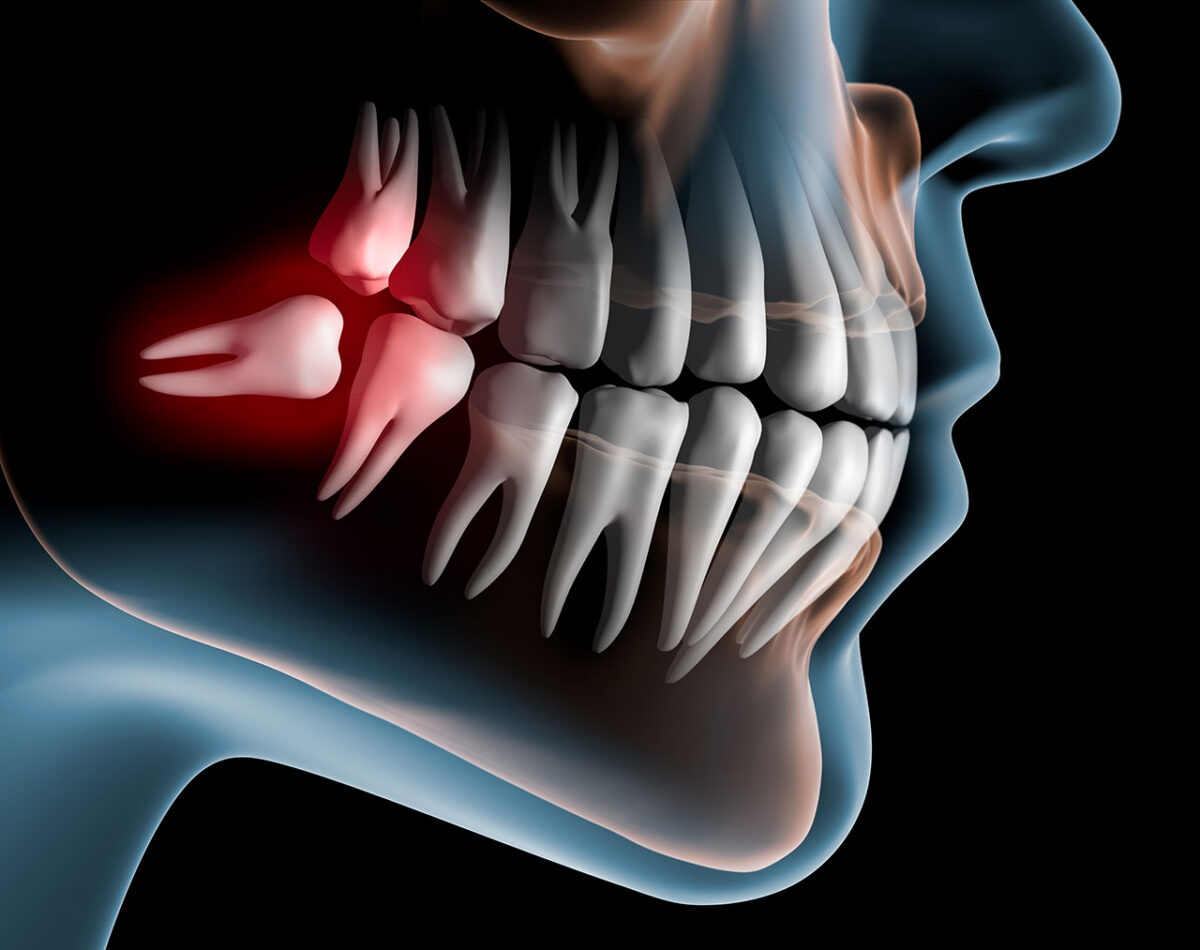
An impacted wisdom tooth is trapped partially or completely beneath the gums or jawbone.

Sometimes the tooth grows at an angle because there is not enough room in the mouth. It may press toward the second molar, remain horizontal, or only partially emerge through the gum.

The ADA notes that wisdom teeth can create problems when they do not have enough space to erupt or come through in an unfavorable position.

An impacted tooth may cause no immediate symptoms.

That does not automatically mean it is harmless.

The position of the tooth, ability to clean the area, condition of the nearby molar, and surrounding bone all need to be considered.

What Problems Can Wisdom Teeth Cause?

Infection Around the Gum

When a wisdom tooth only partially erupts, a flap of gum tissue may remain over part of the tooth.

Food and bacteria can become trapped beneath that tissue.

This can lead to inflammation or infection around the tooth, sometimes called pericoronitis.

You may notice:

  • Pain near the back of the jaw
  • Swollen or tender gums
  • Difficulty opening your mouth
  • A bad taste
  • Bad breath
  • Pain when chewing
  • Swelling near the cheek or jaw

Partially erupted wisdom teeth can create an area where bacteria enter the gums, increasing the risk of pain, swelling, and jaw stiffness.

Tooth Decay

Wisdom teeth can be difficult to brush because of how far back they sit.

If the tooth is angled or only partially erupted, cleaning becomes even harder.

That can increase the chance of cavities in the wisdom tooth or the second molar immediately in front of it.

Damage to the Neighboring Tooth

An impacted wisdom tooth may contact the second molar or make the area between the two teeth difficult to clean.

That can contribute to decay or gum problems around the neighboring tooth.

Cysts

An impacted wisdom tooth can occasionally develop a cyst around it. The ADA notes that a cyst associated with an impacted wisdom tooth may damage neighboring roots or supporting bone.

These complications are less common than simple inflammation or decay, but they are one reason imaging is useful when evaluating impacted teeth.

If My Wisdom Teeth Do Not Hurt, Why Would You Remove Them?

This is where wisdom teeth become a more complicated conversation.

Pain is not the only reason for removal.

The American Association of Oral and Maxillofacial Surgeons recommends surgical management when a third molar is associated with disease or has a significant risk of developing disease. When a wisdom tooth is healthy and does not present meaningful risk, clinical and radiographic monitoring may be appropriate instead.

Possible reasons we may discuss removal even without severe pain include:

  • Decay that cannot be predictably restored
  • Repeated gum infections
  • Damage to the second molar
  • A cyst or other abnormality
  • An unfavorable position that makes cleaning extremely difficult
  • Orthodontic or surgical treatment considerations
  • Evidence that the tooth is unlikely to remain functional or healthy

The decision should be individualized.

I do not believe patients should hear, “You have wisdom teeth, so they all have to go,” without understanding why.

Is It Better to Remove Wisdom Teeth When You Are Younger?

Age is one part of the decision, but it is not the only factor.

The AAOMS notes that third molar surgery can become more difficult as patients age and that risks associated with removal may increase over time.

That does not mean every teenager or young adult should automatically have healthy wisdom teeth removed.

It means that when a tooth has a clear indication for extraction, waiting many years may not make the procedure easier.

If a wisdom tooth is healthy and being retained, it should continue to be monitored rather than assumed to be permanently problem-free.

How Do You Decide If Mine Need to Come Out?

A wisdom tooth evaluation includes much more than asking whether you have pain.

We look at:

  • Whether the tooth has erupted
  • Its angle and position
  • Gum health around it
  • Whether there is a cavity
  • The condition of the second molar
  • Your ability to clean the area
  • Any history of swelling or infection
  • Your medical history
  • Your age
  • Root development
  • The tooth’s relationship to nearby nerves and other structures

Imaging helps us evaluate the roots, jawbone, adjacent teeth, and nearby anatomy before recommending surgery.

The goal is to compare the risks of leaving the tooth with the risks and benefits of removing it.

What Does Wisdom Tooth Removal Feel Like?

The treatment area is numbed with local anesthetic so you should not feel sharp surgical pain.

You may feel pressure, movement, or pushing while the tooth is being removed.

The exact procedure depends on whether the tooth has completely erupted or remains under the gums or bone.

A routine extraction of a fully erupted wisdom tooth may be relatively straightforward.

An impacted tooth may require a surgical extraction, which can involve opening the gum, removing a small amount of bone, or dividing the tooth into sections so it can be removed more safely.

Secure Dental offers oral surgery and sedation dentistry services, although the exact comfort option depends on the location, procedure, medical history, and individual patient.

How Long Does Recovery Take?

Most patients experience some soreness and swelling during the first few days.

Recovery varies depending on:

  • How many teeth were removed
  • Whether they were impacted
  • The difficulty of the surgery
  • Your age and health
  • Whether you smoke
  • How closely you follow postoperative instructions

Your dental team will provide specific instructions for eating, cleaning the surgical area, and managing discomfort.

Soft foods are typically easier during the early healing period.

What Is Dry Socket?

After an extraction, a blood clot forms in the socket and protects the healing area.

Dry socket occurs when that clot is lost or does not remain properly in place, exposing the underlying bone and nerves.

It can cause significant pain several days after an extraction, often after the patient initially felt that recovery was improving.

Follow the postoperative instructions carefully, including guidance about smoking, drinking through straws, rinsing, and cleaning the area.

Contact the dental office if pain suddenly becomes much worse rather than gradually improving.

Can Wisdom Teeth Grow Back After They Are Removed?

No.

Once an actual wisdom tooth has been completely removed, it does not grow back.

Some people have extra teeth called supernumerary teeth, which can occasionally create confusion on later X-rays, but a removed third molar does not regenerate.

What If I Only Need One Wisdom Tooth Removed?

You do not automatically have to remove all four.

If one tooth is diseased and the others are healthy, the recommendation depends on the condition and future risk of each individual tooth.

There may be situations where removing additional wisdom teeth during the same procedure makes sense, but that decision should come from your examination and imaging.

Ask why each tooth is being recommended for removal.

Are Wisdom Teeth Causing My Jaw Pain?

They can.

Partially erupted or impacted wisdom teeth may cause pain near the back of the jaw, swelling, gum inflammation, and difficulty opening the mouth.

However, jaw pain can also come from grinding, temporomandibular disorders, infections in other teeth, muscle tension, or non-dental causes.

Our related Ask Secure Dental article, “Why Does My Jaw Hurt? Could It Be My Teeth?”, explains those possibilities in more detail.

What Happens If I Leave an Impacted Wisdom Tooth Alone?

Sometimes an impacted tooth can remain stable for years.

In other cases, problems develop later.

The ADA recommends ongoing dental monitoring for wisdom teeth that are retained because future decay, gum disease, infection, or other complications can occur.

If you and your dentist decide not to remove an impacted tooth, that should usually be an active decision to monitor it, not an assumption that no symptoms means no follow-up is needed.

Find Out Whether Your Wisdom Teeth Actually Need Treatment

The answer to “Do wisdom teeth always need to come out?” is no.

Some can remain healthy for years.

Others cause recurring infection, decay, damage to neighboring teeth, or other problems that make removal the better option.

The only way to know which situation applies to you is to look at the actual teeth and imaging.

Request an appointment with Dr. Kunmin Roo at Secure Dental in Lake Station, located at 3820 Central Ave., Lake Station, Indiana 46405.

Call (219) 962-8666 or visit the Secure Dental Lake Station location page to request an appointment. Secure Dental currently lists Dr. Roo as certified in third molar extractions, implants, and endodontics.

Ask Your Own Question

Have a dental question you would like a Secure Dental doctor to answer?

About Dr. Kunmin Roo
Dr. Kunmin Roo

Dr. Kunmin Roo is an associate dentist who practices at Secure Dental’s Lake Station and Chicago locations. He graduated from the New York University College of Dentistry in 2018 and continues to pursue advanced clinical education.

Dr. Roo has completed an International Dental Implant Association Fellowship and holds certifications in dental implants, third molar extractions, and endodontics. He is also a member of the International Dental Implant Association and the Academy of General Dentistry.

Request an appointment with Dr. Kunmin Roo in Lake Station.

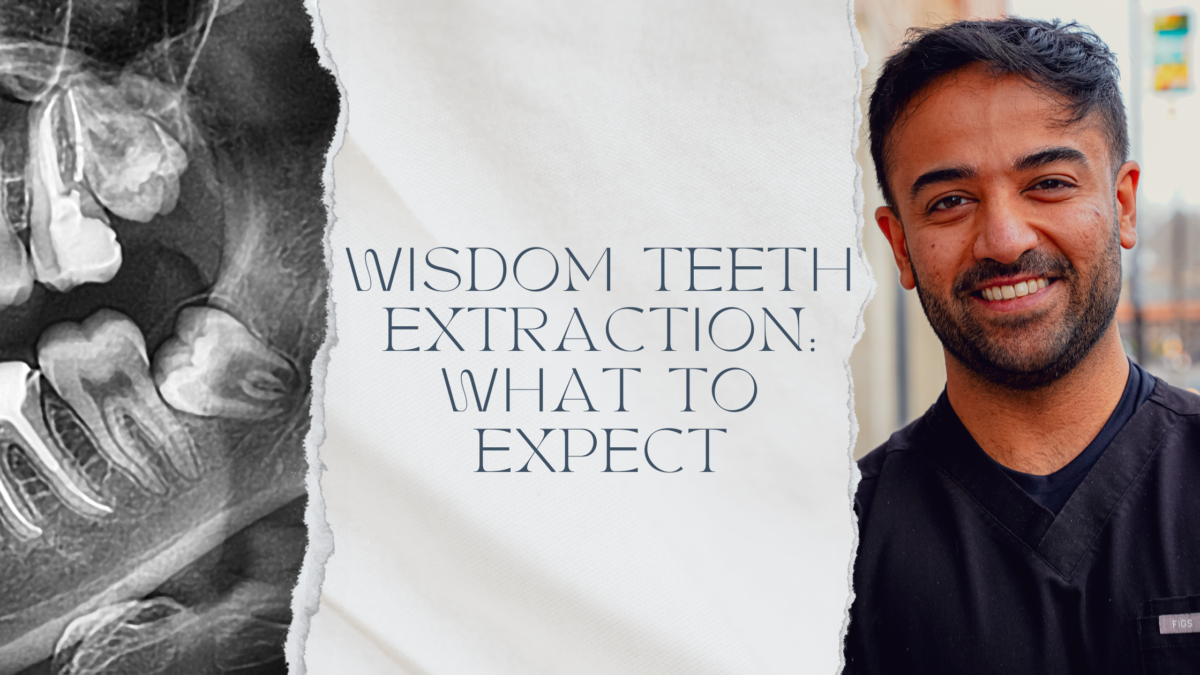
Wisdom Teeth Extraction: What to Expect

Wisdom teeth are a common concern for many adults. These third molars, which typically emerge between the ages of 17 and 25, often cause problems like pain, crowding, or infections. For many, wisdom teeth extraction becomes necessary to maintain oral health. If you’re facing this procedure, understanding what to expect can ease your anxiety and help you prepare. This comprehensive guide covers everything you need to know about wisdom teeth extraction, from preparation to recovery.


Understanding Wisdom Teeth

Wisdom teeth are the last set of molars to develop, located at the back of your mouth. While some people have no issues with their wisdom teeth, many experience complications due to:

  • Impaction: Wisdom teeth can become trapped under the gums or jawbone, leading to pain and swelling.
  • Crowding: If there’s not enough room for them to emerge, they can push against neighboring teeth.
  • Infections: Partially erupted wisdom teeth can create pockets where bacteria thrive, causing infections.

Signs You Might Need Extraction

  • Persistent pain or discomfort in the back of your mouth.
  • Swollen or tender gums.
  • Difficulty opening your mouth or chewing.
  • Recurring infections or bad breath.

When and Why Is Wisdom Teeth Extraction Necessary?

Not all wisdom teeth need to be removed. However, dentists often recommend extraction in the following scenarios:

  • Impacted Teeth: When teeth are trapped and cannot emerge properly.
  • Recurrent Infections: Inflammation or infection around the teeth.
  • Orthodontic Reasons: Preventing wisdom teeth from disrupting existing dental work.
  • Cysts or Tumors: Rare cases where cysts develop around impacted teeth.

Risks of Delaying Removal

  • Increased risk of decay or gum disease.
  • Permanent damage to neighboring teeth.
  • Formation of cysts or abscesses.

Preparing for Wisdom Teeth Extraction

Proper preparation can make your experience smoother. Here’s how to get ready:

Questions to Ask Your Dentist

  • Do all my wisdom teeth need to be removed?
  • What type of anesthesia will be used?
  • How long will the procedure take?
  • What is the estimated recovery time?

Pre-Procedure Instructions

  • Fast Before Surgery: Avoid eating or drinking for at least 6-8 hours if you’re receiving sedation.
  • Arrange Transportation: You’ll need someone to drive you home.
  • Wear Comfortable Clothing: Opt for loose-fitting clothes and tie back long hair.

Understanding Anesthesia Options

  • Local Anesthesia: Numbs the extraction site while keeping you awake.
  • Sedation Anesthesia: Makes you drowsy and relaxed during the procedure.
  • General Anesthesia: Renders you unconscious, typically used for complex cases.

What Happens During the Procedure?

Knowing the steps involved in wisdom teeth extraction can help you feel more at ease:

  • Anesthesia Administration: The dentist or oral surgeon will administer the chosen anesthesia.
  • Incision: If the tooth is impacted, an incision will be made in the gum to access the tooth.
  • Tooth Removal: The tooth may be extracted in one piece or broken into smaller pieces for easier removal.
  • Stitching and Gauze: The site is stitched, if necessary, and gauze is placed to control bleeding.

How Long Does It Take?

The procedure typically lasts 45 minutes to an hour, but this varies depending on the complexity of the case.


Recovery and Aftercare

Post-surgery care is crucial for a smooth recovery. Here’s what to expect:

Immediate Post-Surgery Care

  • Rest: Take it easy for the first 24 hours.
  • Control Bleeding: Bite gently on gauze and replace it as needed.
  • Swelling Reduction: Use ice packs on your cheeks for 20-minute intervals.

Foods to Eat and Avoid

  • Recommended Foods:
    • Smoothies
    • Mashed potatoes
    • Yogurt
    • Broth-based soups
  • Foods to Avoid:
    • Crunchy or hard foods (chips, nuts).
    • Hot foods and beverages.
    • Sticky foods (caramel, gum).

Managing Pain and Preventing Complications

  • Medications: Take prescribed pain relievers and antibiotics as directed.
  • Avoid Dry Socket: Don’t use straws or smoke for at least a week.
  • Oral Hygiene: Brush carefully around the surgical site and rinse with saltwater.

Typical Recovery Timeline

  • First 24-48 Hours: Swelling and mild discomfort.
  • 3-5 Days: Gradual reduction in pain and swelling.
  • 1 Week: Stitches are removed or dissolve.
  • 2 Weeks: Full recovery in most cases.

Potential Risks and Complications

While wisdom teeth extraction is a routine procedure, complications can occur:

Common Risks

  • Swelling and bruising.
  • Minor bleeding.
  • Soreness in the jaw.

Less Common Complications

  • Dry Socket: Pain caused by a dislodged blood clot.
  • Infection: Signs include fever, persistent swelling, or pus.
  • Nerve Damage: Rare but can cause temporary or permanent numbness.

When to Call Your Dentist

  • Severe or worsening pain after a few days.
  • Difficulty swallowing or breathing.
  • Excessive bleeding that doesn’t subside.

Tips for a Smooth Recovery

Following these tips can help you heal faster and more comfortably:

  1. Follow Aftercare Instructions: Adhere to your dentist’s guidance.
  2. Stay Hydrated: Drink plenty of water but avoid straws.
  3. Rest Well: Avoid strenuous activities for a few days.
  4. Cold Compresses: Reduce swelling by applying ice packs.
  5. Stick to Soft Foods: Gradually reintroduce solid foods as you heal.

Frequently Asked Questions

1. Can All Wisdom Teeth Be Removed at Once?

Yes, in most cases, all four wisdom teeth are removed in a single procedure for convenience and efficiency.

2. Is It Better to Remove Wisdom Teeth Early?

Removing wisdom teeth before they cause problems can prevent complications like impaction and infections.

3. How Much Does Wisdom Teeth Extraction Cost?

Costs vary depending on factors like location, anesthesia, and complexity, ranging from $200 to $1,000 per tooth.


Conclusion

Wisdom teeth extraction is a common and often necessary procedure that can prevent serious dental issues. By understanding what to expect, preparing properly, and following aftercare instructions, you can navigate this process with confidence. If you suspect your wisdom teeth might need removal, consult your dentist for a personalized evaluation and treatment plan.

Schedule a consultation today to ensure your oral health stays on track!

The Benefits of Restorative Dentistry for Damaged Teeth

Tooth damage can have a significant impact on both your oral health and self-confidence. Whether it’s due to decay, trauma, or wear, restoring damaged teeth is essential for maintaining proper function and a beautiful smile. Restorative dentistry offers a range of solutions to repair teeth and replace missing ones, ensuring long-term oral health.

This article will guide you through the essentials of restorative dentistry, helping you understand its benefits, common treatments, and what to expect from the process.


What is Restorative Dentistry?

Restorative dentistry refers to dental procedures that repair or replace damaged or missing teeth. The primary goal is to restore normal function (chewing, speaking, and maintaining the structure of the jaw) while also improving the appearance of your smile. Treatments can vary from simple fillings to more complex procedures like dental implants or bridges.

Key Treatments in Restorative Dentistry Include:

  • Fillings: Used to restore teeth with cavities.
  • Crowns: Caps that cover and protect a damaged tooth.
  • Dental Implants: Replacements for missing teeth that function like natural teeth.
  • Bridges: Fill the gap created by one or more missing teeth.

Common Causes of Tooth Damage

Understanding what causes tooth damage can help you take steps to prevent it in the future and know when it’s time to seek restorative care. The most common causes include:

  • Tooth Decay: Cavities caused by bacteria in the mouth.
  • Trauma: Accidents or injuries can chip, crack, or knock out teeth.
  • Gum Disease: Infections that damage the tissues supporting your teeth.
  • Wear and Tear: Grinding your teeth or normal wear over time can lead to enamel erosion.

Addressing tooth damage early is crucial to prevent further complications, such as infection or tooth loss, which may require more extensive treatment.


Types of Restorative Dentistry Treatments

There are several types of restorative treatments available, depending on the extent of the damage or tooth loss. Each treatment serves a unique purpose and can be tailored to your needs.

1. Fillings

  • Used to repair cavities and prevent further decay.
  • Can be made from materials such as amalgam (metal), composite resin (tooth-colored), or porcelain.

2. Crowns

  • Protect and strengthen teeth that are weak, broken, or worn down.
  • Made from materials like porcelain, metal, or a combination of both.
  • Covers the entire tooth, restoring its shape, size, and appearance.

3. Dental Implants

  • Ideal for replacing missing teeth.
  • A titanium post is surgically placed into the jawbone, serving as an artificial tooth root. Once healed, a crown is attached, providing a permanent and durable solution.
  • Implants look, feel, and function like natural teeth.

4. Bridges

  • Used to replace one or more missing teeth.
  • Supported by neighboring teeth or implants, they literally “bridge” the gap left by a missing tooth.

5. Inlays and Onlays

  • Used when a cavity is too large for a simple filling but not extensive enough for a crown.
  • Inlays fill the space between the cusps of a tooth, while onlays cover a larger portion, including one or more cusps.

6. Dentures

  • Full or partial dentures can replace multiple missing teeth.
  • While they aren’t permanent, dentures can restore the ability to eat and speak properly and improve the appearance of your smile.

Benefits of Restorative Dentistry

Restorative dentistry offers both functional and aesthetic benefits. Here’s why it’s essential for maintaining your oral health:

  • Improved Function: Restorative procedures restore the ability to chew and speak clearly. Missing or damaged teeth can make these basic functions difficult.
  • Aesthetic Appeal: Repairing or replacing teeth not only restores oral health but also improves the appearance of your smile, giving you more confidence.
  • Prevention of Further Damage: By addressing tooth damage early, you prevent infections, additional tooth loss, and more invasive procedures down the road.
  • Long-Term Oral Health: Restorative treatments help maintain proper jaw alignment and bite, preventing issues like TMJ disorders.

What to Expect During Restorative Dentistry Procedures

Before any restorative treatment, your dentist will perform a thorough evaluation, including X-rays, to determine the best course of action. Here’s what you can typically expect from the process:

  • Consultation and Diagnosis: Your dentist will discuss your options based on the extent of the damage and your long-term dental goals.
  • Treatment Plan: A detailed plan is created, including the timeline, materials used, and the number of visits required.
  • Procedure: Depending on the treatment, you may require local anesthesia or sedation.
  • Recovery: After the procedure, your dentist will provide aftercare instructions. Recovery times vary, but most people can return to their daily routine shortly after minor treatments like fillings. More extensive procedures, such as implants, may require a few weeks of healing.

Choosing the Right Restorative Option for You

Not all restorative treatments are one-size-fits-all. Several factors come into play when choosing the right option for your needs:

  • Extent of Damage: Minor issues like cavities may only require fillings, while missing or severely damaged teeth may need crowns, bridges, or implants.
  • Long-Term Goals: Consider whether you want a temporary or permanent solution. Implants, for instance, are a long-term investment, while dentures may be more affordable but less durable.
  • Budget: Some restorative treatments are more expensive than others. Dental implants, while highly effective, can be costly. Be sure to discuss all costs with your dentist, including financing options.

Caring for Restorative Dental Work

Proper care is essential for maintaining the longevity of your restorative dental work. Follow these tips to ensure your new smile stays healthy and functional:

  • Daily Oral Hygiene: Brush twice a day and floss daily, paying special attention to the areas around your restorations.
  • Regular Dental Visits: Schedule check-ups every six months to ensure that your restorations are holding up well and your oral health is maintained.
  • Avoid Hard or Sticky Foods: Crowns, bridges, and fillings can be damaged by chewing on hard objects like ice or sticky foods like caramels.
  • Consider a Nightguard: If you grind your teeth at night, ask your dentist about a nightguard to protect your restorations from damage.

 Restorative Dentistry vs. Cosmetic Dentistry

While restorative and cosmetic dentistry often overlap, they serve different purposes. Restorative dentistry focuses on function—repairing damaged teeth to restore proper chewing and speaking abilities. Cosmetic dentistry, on the other hand, primarily enhances the appearance of your smile through procedures like teeth whitening or veneers.

However, many restorative procedures, such as crowns and implants, also improve the aesthetics of your smile, giving you the best of both worlds.


Conclusion: A Healthier Smile with Restorative Dentistry

Restorative dentistry plays a crucial role in helping those with damaged or missing teeth regain their oral health, function, and confidence. By understanding the various treatments available and the benefits they offer, you can make an informed decision about the right solution for your smile.

If you’re dealing with tooth damage, consult with your dentist to explore the best restorative options and ensure a healthier, brighter smile for the future.

Book Your Appointment

Fill out the form below to request your appointment date. A member of our team will reach out shortly to schedule your appointment and answer any questions you may have.