My Dental Crown Fell Off. What Should I Do? Ask Secure Dental

Answered by Dr. Maryam Othman, Secure Dental in Hammond, Indiana
“First, do not panic, and do not throw the crown away. A crown coming off does not automatically mean the tooth underneath is ruined. Sometimes the crown can be cleaned and placed back onto the tooth. Other times, the tooth or crown has changed enough that we need to repair the tooth or make a new restoration.”
The important thing is to protect the exposed tooth and have it evaluated.
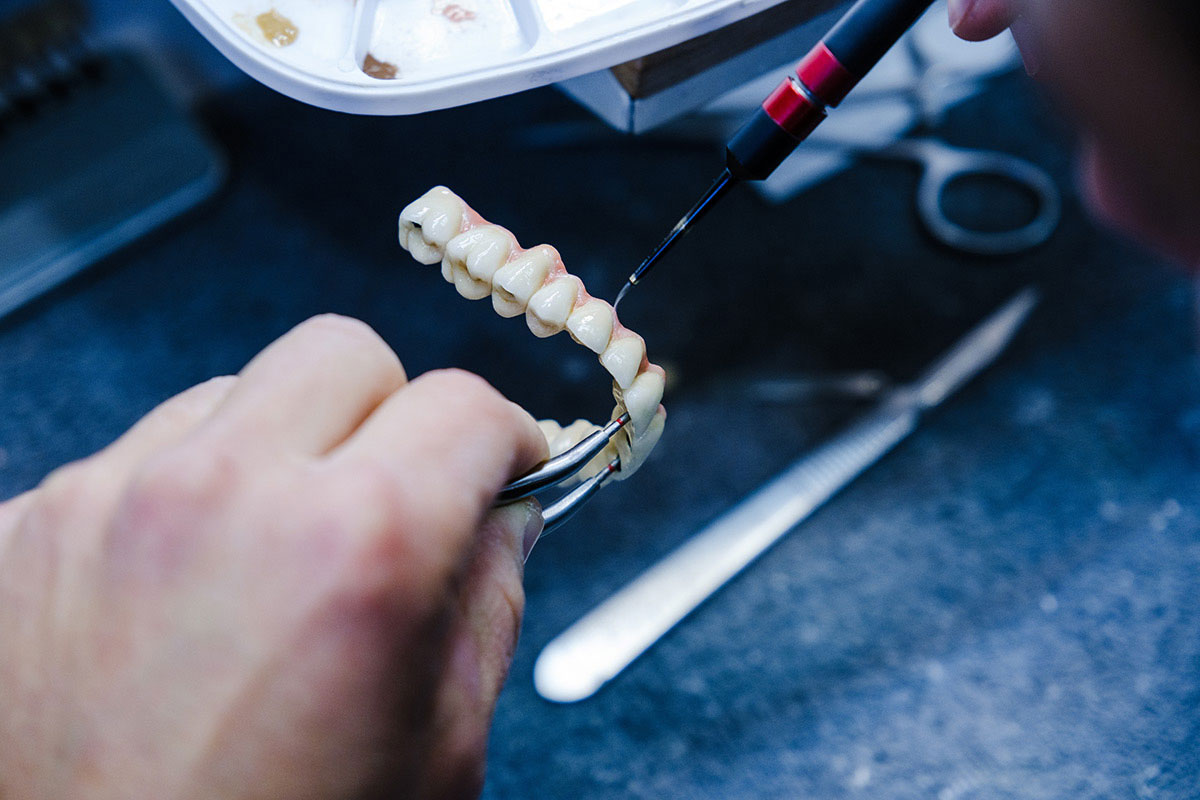
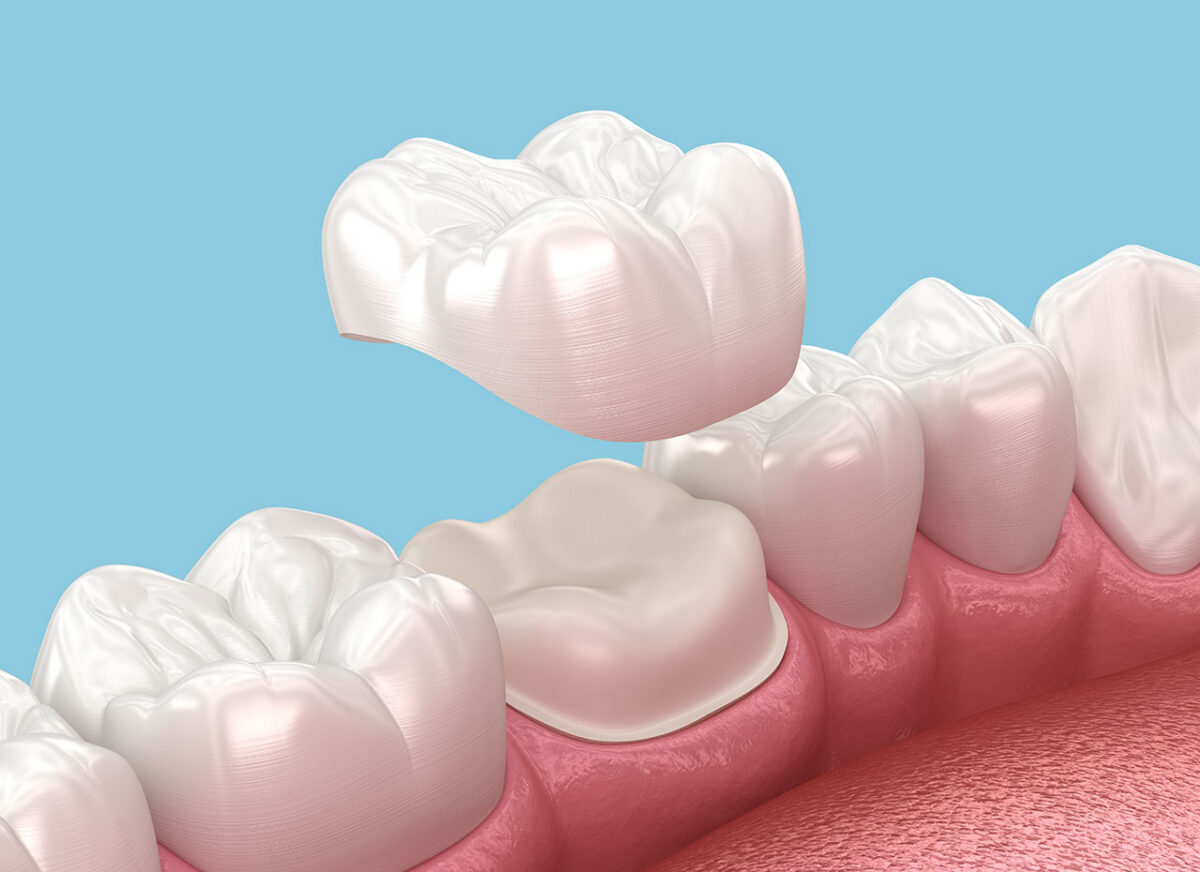
A dental crown is a fixed restoration designed to cover and protect a damaged or weakened tooth. Crowns may be used to restore broken teeth, strengthen teeth with large fillings, support bridges, cover implants, or protect teeth after certain treatments.
At Secure Dental in Hammond, restorative services include dental crowns, composite fillings, onlays, bridges, and dentures. The office also provides emergency dentistry and root canal therapy when a damaged tooth requires more urgent treatment.
What Should I Do If My Crown Falls Off?
If you still have the crown, save it.
Place it somewhere clean and bring it to your appointment.
Then:
- Avoid chewing on the exposed tooth
- Keep the area gently clean
- Rinse your mouth after eating
- Avoid very hard or sticky foods
- Be careful with very hot or cold foods if the tooth is sensitive
- Contact the dental office to arrange an evaluation
- Bring the crown with you
Do not try to permanently glue the crown back onto the tooth yourself.
The dentist needs to examine both the restoration and the tooth underneath before deciding whether it can safely be reused.
Is a Crown Falling Off a Dental Emergency?
It deserves prompt dental attention, but not every lost crown has the same level of urgency.
If the exposed tooth is comfortable and intact, you may be able to arrange a regular urgent dental visit.
Call more promptly if you have:
- Significant tooth pain
- A visibly broken tooth underneath
- Facial or gum swelling
- Fever
- Severe sensitivity
- Pain when biting
- Bleeding
- Drainage or a bad taste
- A crown that came off after trauma
Secure Dental’s Hammond office provides emergency dentistry in addition to restorative treatment, root canal therapy, and oral surgery.
Severe facial or neck swelling that interferes with breathing or swallowing requires emergency medical care rather than waiting for a routine dental appointment.
Why Do Dental Crowns Come Off?
A crown can become loose for several reasons.
The Cement Bond Has Weakened
Dental crowns are attached to prepared teeth with dental cement.
Over time, the bond can occasionally fail even if the crown and tooth underneath are otherwise healthy.
If that is the only problem, the crown may sometimes be reusable.
Tooth Decay Developed Under the Crown
A crown itself cannot develop a cavity, but the natural tooth underneath it still can.
The edge where the crown meets the natural tooth remains vulnerable to plaque and decay.
If decay changes the shape of the tooth underneath, the crown may no longer fit securely.
The tooth must be treated before a restoration can be placed back over it.
The Tooth Underneath Broke
A crown often protects a tooth that was already structurally weakened.
If part of the underlying tooth fractures, the crown may come off along with some natural tooth structure.
This is why I want patients to bring the crown to the appointment. Sometimes the inside of the crown gives us a clue about what happened.
Teeth Grinding or Clenching
Repeated grinding forces can place significant stress on both natural teeth and restorations.
Over time, bruxism may contribute to tooth wear, fractures, damaged restorations, and jaw discomfort.
If crowns or fillings repeatedly loosen or break, we should consider whether grinding is contributing to the problem rather than simply replacing the restoration again and again.
Our related Ask Secure Dental guide, “I Grind My Teeth at Night. Is That Actually Damaging Them?”, explains the warning signs.
Sticky or Very Hard Foods
A crown should tolerate normal chewing, but unusually strong pulling or biting forces can sometimes contribute to a restoration loosening, particularly if the cement was already weakening.
If a crown repeatedly comes off during normal eating, the issue needs to be investigated.
Can You Just Put the Same Crown Back On?
Sometimes.
This is probably the question patients hope I will answer with a simple yes.
If the crown is intact, still fits correctly, and the tooth underneath has not developed significant decay or structural damage, recementing it may be possible.
Before doing that, however, I need to check:
- The inside of the crown
- The remaining natural tooth
- Whether decay is present
- Whether the tooth has fractured
- The fit around the crown edges
- How your teeth contact when you bite
- Whether there are signs of infection
If any of those factors have changed, simply putting the old crown back on may not solve the problem.
What If There Is a Cavity Under My Crown?
The decay needs to be removed.
After that, the treatment depends on how much healthy tooth remains.
A smaller area of decay may allow us to rebuild the tooth and place a crown again.
A larger cavity may require additional restorative treatment.
If decay extends deeply enough to affect the pulp inside the tooth, root canal therapy may become necessary. The ADA notes that severely damaged, decayed, or infected teeth may sometimes be treated with root canal therapy to preserve the natural tooth.
Secure Dental’s Hammond office currently provides both restorative dentistry and root canal therapy.
What If the Tooth Under the Crown Broke?
Do not assume it has to be extracted.
A fractured tooth may still be restorable depending on:
- How much healthy structure remains
- How deep the fracture extends
- Whether the root is intact
- Whether the pulp is healthy
- The condition of the surrounding bone and gums
A crown is specifically designed to protect weakened or broken teeth, but it still needs enough sound tooth structure underneath to support it. The ADA describes crowns as restorations that can protect weak teeth and restore teeth that are already broken.
If the fracture extends too deeply or the root itself is badly damaged, extraction may become the more predictable option.
Our related guide, “My Tooth Broke at the Gumline. Can It Still Be Saved?”, explains that decision in more detail.
Why Is My Tooth So Sensitive After the Crown Came Off?
The prepared tooth underneath a crown may have less protective outer structure than an untouched natural tooth.
Once the crown is gone, temperature, air, sweets, and pressure may reach sensitive areas more easily.
Sensitive teeth can also occur because of cavities, fractured teeth, worn restorations, gum disease, enamel wear, or exposed tooth roots.
That means sensitivity after losing a crown does not automatically tell us whether the tooth has a serious problem.
It tells us the tooth needs protection and evaluation.
If the sensitivity lingers long after cold or heat is removed, becomes severe, or turns into spontaneous throbbing, tell us when you schedule.
Can I Eat With a Missing Crown?
Technically, you still need to eat, but I would protect that tooth until your appointment.
Choose softer foods when possible and chew on the opposite side.
Avoid foods that are:
- Very hard
- Extremely sticky
- Crunchy enough to fracture weakened tooth structure
A tooth that needed a crown was usually crowned for a reason.
Without the restoration in place, the remaining natural tooth may be more vulnerable.
What If I Swallow My Crown?
If the crown disappeared while you were eating and you cannot find it, tell the dental office.
Do not delay your dental evaluation simply because the old restoration is gone.
The tooth still needs to be examined, and a replacement crown can be discussed if necessary.
If you believe you inhaled the crown rather than swallowed it, or you develop breathing symptoms, seek medical attention.
Why Does My Crown Keep Falling Off?
A crown that repeatedly becomes loose deserves a deeper look.
Simply recementing it over and over may not solve the underlying reason.
We may need to investigate:
- Changes in the tooth underneath
- Insufficient remaining tooth structure
- Tooth decay
- Crown fit
- Bite forces
- Grinding or clenching
- Fractures
- The shape of the prepared tooth
Sometimes the crown itself needs to be replaced.
Other times the natural tooth needs additional treatment before a new crown can be successful.
Will I Need a New Crown?
Possibly, but not automatically.
A new crown is more likely when:
- The old crown is cracked or damaged
- It no longer fits properly
- Decay changed the underlying tooth
- Part of the natural tooth fractured
- The crown margins no longer seal adequately
- The existing restoration is significantly worn
Secure Dental’s Hammond restorative dentistry page describes crowns as fixed caps that cover and protect damaged teeth and lists porcelain, ceramic, and gold among materials commonly used for crown restorations.
Your individual restoration will be selected based on the tooth, bite, appearance, existing dental work, and treatment plan.
Can a Lost Crown Lead to a Root Canal?
Losing the crown itself does not automatically create a need for root canal therapy.
Root canal treatment becomes relevant when the pulp inside the tooth is irreversibly damaged or infected.
Possible warning signs include:
- Severe spontaneous toothache
- Lingering temperature pain
- Swelling
- A gum bump near the tooth
- Significant pain when biting
- Deep decay beneath the crown
The ADA explains that root canal therapy can be used to repair and save a severely damaged, decaying, or infected tooth.
If that treatment becomes necessary, our original Ask Secure Dental article “Do Root Canals Actually Hurt?” explains what modern treatment usually involves.
How Long Can I Leave a Crown Off?
I would not recommend intentionally waiting.
A missing crown leaves the prepared tooth exposed and may make it more vulnerable to sensitivity, decay, fracture, or changes that make the original crown harder to reuse.
How quickly you need to be seen depends on your symptoms and the condition of the tooth.
Call the office and describe what happened. We can determine how urgently the tooth should be evaluated.
Waiting until it becomes extremely painful is not a good strategy.
Will Insurance Pay for Replacing a Crown?
It depends on your dental plan.
Some plans have rules about how frequently they contribute toward replacement crowns. Coverage can also depend on why the restoration needs to be replaced.
There may be:
- Deductibles
- Annual maximums
- Replacement-frequency limitations
- Waiting periods
- Different benefit percentages
Secure Dental’s Hammond office currently accepts debit and credit cards, checks, money orders, and third-party financing.
The office can provide treatment information and review available benefit details, but the insurance carrier ultimately determines coverage.
What Will Secure Dental Check?
At Secure Dental in Hammond, your evaluation may include:
- Examining the crown you bring with you
- Checking the tooth underneath
- Looking for decay
- Evaluating for cracks or fractures
- Checking the gums around the tooth
- Testing sensitivity when appropriate
- Examining your bite
- Taking dental X-rays when needed
- Determining whether the pulp appears healthy
Possible outcomes include:
- Recementing the existing crown
- Repairing the tooth and replacing the crown
- Treating decay
- Root canal therapy followed by restoration
- Another restorative treatment
- Extraction when the tooth cannot be predictably saved
The Hammond office currently offers restorative dentistry, emergency dentistry, root canal therapy, oral surgery, and implant dentistry, allowing the treatment plan to be based on what the examination actually shows.
Keep the Crown and Call the Dentist
A crown falling off can feel alarming, but it does not automatically mean you are losing the tooth.
Save the restoration if you have it, protect the exposed tooth, avoid chewing directly on it, and schedule an evaluation.
Sometimes the solution is relatively straightforward.
Other times, the crown coming off is the first visible sign that the tooth underneath needs attention.
Request an appointment with Dr. Maryam Othman at Secure Dental in Hammond, located at 7905 Indianapolis Blvd., Hammond, Indiana 46324.
Call (219) 364-6388 or visit the Secure Dental Hammond location page to request an appointment. Secure Dental currently lists Dr. Jonathan Phen and Dr. Maryam Othman as the dentists at the Hammond office.
Ask Your Own Question
Have a dental question you would like a Secure Dental doctor to answer?
About Dr. Maryam Othman

Dr. Maryam Othman earned her dental degree from the University of Illinois Chicago (UIC) in 2026 and is proud to serve patients at Secure Dental in Hammond, Indiana. She is passionate about building lasting relationships with her patients, earning their trust, and helping them overcome dental anxiety while improving their oral health.
Dr. Othman is committed to providing compassionate, patient-centered care and creating a comfortable dental experience for every individual she treats. Outside of the office, she enjoys hiking, spending time outdoors, and traveling to explore new places.