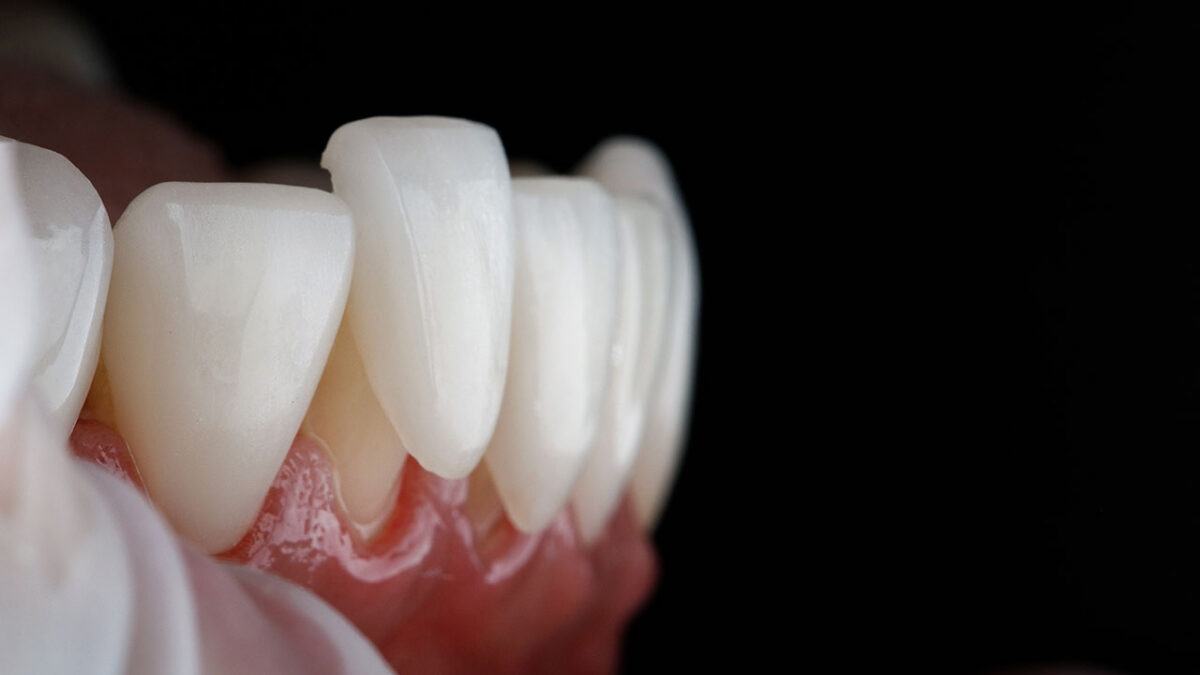
How Long Do Dental Implants Last? And Are They Really Worth the Cost?

Answered by Dr. Naru Kang, Secure Dental in Davenport, Iowa

“This is one of the most important questions you can ask before getting a dental implant. My honest answer is that a well-planned, properly maintained implant can last 20 years or longer, and some remain successful for the rest of a patient’s life. However, no dentist should promise that an implant will last forever.”

It is also important to separate the implant from the replacement tooth attached to it. The implant is the post placed in your jawbone. An abutment connects that post to a crown, bridge, or denture. The implant post may remain stable for decades even if the crown or another component eventually needs repair or replacement.

How Long Do Dental Implants Usually Last?

Long-term research shows that dental implants have strong survival rates, but the exact number varies according to the patient, implant location, study design, and length of follow-up.

A systematic review estimated a dental implant survival rate of approximately 96.4% after 10 years. A separate 20-year meta-analysis found that roughly four out of five implants remained in place after two decades. These numbers demonstrate long-term reliability, but they also show why “lifetime implant” should never be treated as a guarantee.

The crown attached to a single implant experiences the same chewing forces as other dental restorations. It may eventually chip, wear, loosen, or need replacement even while the implant beneath it remains healthy.

The best way to protect an implant is to treat it like a natural tooth. Brush carefully, clean around it every day, attend regular examinations, and report pain or movement promptly.

What Can Cause a Dental Implant to Fail?

An implant can experience problems during healing or many years after placement.

Smoking and Tobacco Use

Smoking can interfere with blood flow and healing after implant surgery. The FDA identifies delayed healing as a complication that may be more likely among people who smoke. Tobacco use can also increase the risk of inflammation and bone loss around an implant.

Smoking does not automatically make implant treatment impossible, but patients should understand that it can reduce predictability.

Infection and Poor Oral Hygiene

An implant cannot develop a cavity, but the gum and bone surrounding it can become infected.

Plaque accumulation may lead to inflammation called peri-implant mucositis. When the infection progresses into the supporting bone, it is known as peri-implantitis. Continued bone loss can eventually cause the implant to become loose.

Regular cleaning remains essential even though the replacement tooth is artificial.

Untreated Gum Disease

Active periodontal disease should be brought under control before implant treatment whenever possible. Untreated gum disease and difficulty cleaning around an implant are recognized risk factors for implant complications.

Uncontrolled Diabetes or Other Health Concerns

Well-managed diabetes does not necessarily prevent implant treatment. Uncontrolled diabetes, however, may interfere with healing and increase infection risk.

Your dentist needs an accurate list of medical conditions, prescriptions, supplements, and previous surgeries before recommending implant placement.

Insufficient Bone or Poor Integration

The implant must become firmly attached to the jaw through a healing process called osseointegration. If the bone does not integrate with the implant, it may remain loose and require removal.

Bone grafting may be recommended when the existing jawbone does not provide enough support.

Excessive Biting Forces

Teeth grinding, an uneven bite, or repeatedly chewing hard objects can overload the implant restoration. The crown, abutment, or retaining screw may loosen or fracture.

Our guide, “I Grind My Teeth at Night. Is That Actually Damaging Them?,” explains why a night guard may be recommended to protect implants and natural teeth.

Implants vs. Bridges vs. Dentures

There is no single replacement that is right for every missing tooth.

OptionMain AdvantagesImportant Considerations
Dental implantFixed, does not rely on neighboring teeth, helps preserve surrounding bone, feels similar to a natural toothRequires surgery and healing, has a higher upfront cost, needs adequate health and bone
Traditional bridgeFixed, may be completed faster, avoids implant surgeryUsually requires reshaping neighboring teeth, supporting teeth must remain healthy
Removable dentureCan replace several or all teeth, generally has a lower initial costRemovable, may move during eating or speaking, requires periodic adjustment or replacement
Implant-supported bridge or dentureGreater stability than a traditional removable denture, fewer implants may replace several teethRequires surgery, careful cleaning, and a larger treatment investment

A traditional bridge uses neighboring teeth as support. A single implant can replace a tooth without reducing those adjacent teeth. Implant-supported bridges may also replace several teeth without requiring one implant for every missing tooth.

Patients comparing implant crowns with other restorations may also find “What’s the Difference Between a Crown and a Veneer?” helpful.

How Much Does a Dental Implant Cost in 2026?

Secure Dental’s Davenport office currently lists a single-tooth implant starting at $2,995. That published starting price includes the implant body, abutment, and crown.

A two-implant bridge replacing three teeth currently starts at $6,995 and includes two implant bodies, two abutments, and a three-unit bridge. These are starting prices, not guaranteed quotes. Extractions, bone grafting, sedation, imaging, or other necessary care may affect the final cost.

Secure Dental also offers implant-supported dentures and full-arch implant options for patients missing most or all of their teeth.

Dental insurance coverage varies significantly. Some plans contribute toward the crown, extraction, or another portion of treatment while excluding the implant itself. Other plans provide limited implant benefits subject to deductibles, annual maximums, waiting periods, and replacement rules.

The Davenport office lists third-party and in-house financing options for qualified patients. A treatment estimate should explain the total fee, what the price includes, expected insurance benefits, and available payment arrangements before treatment begins.

What Does the Implant Process Look Like at Secure Dental?

1. Consultation and Examination

We review your goals, medical history, medications, existing teeth, gums, and bone. X-rays or three-dimensional imaging may be used to determine whether the implant can be safely positioned.

You should leave the consultation understanding your treatment options and expected cost.

2. Preparation

A damaged tooth may need to be extracted. Bone grafting may be recommended when additional support is necessary. In selected cases, an implant can be placed during the same appointment as an extraction.

3. Implant Placement

The titanium implant is placed into the jawbone using local anesthesia. Sedation options may be discussed when appropriate for the procedure and patient.

4. Healing

The implant is generally allowed to integrate with the bone for several months. Secure Dental’s published Davenport timeline allows approximately four months before the next stage.

5. Final Restoration

After healing, the implant may be uncovered and the gum allowed to shape around a healing component. Digital impressions are then taken for the custom abutment and crown.

Secure Dental estimates that the complete single-implant process typically takes around six months, although treatment may be shorter or longer depending on healing, bone grafting, and the individual case.

Am I a Candidate for Dental Implants?

Many adults with one or more missing teeth can be considered for implant treatment.

A good candidate generally has:

  • Adequate bone or the ability to receive bone grafting
  • Healthy or well-controlled gums
  • A medical history that supports predictable healing
  • A commitment to daily oral hygiene
  • Realistic expectations about treatment time and maintenance

Age alone does not automatically disqualify someone. Overall health, bone condition, medication use, smoking, and the ability to clean around the restoration are usually more important considerations.

Does Getting a Dental Implant Hurt?

Local anesthesia is used during implant placement, so you should not feel sharp surgical pain while the area is numb. You may feel pressure, vibration, or movement.

Tenderness, swelling, or bruising may occur after surgery. The amount varies according to the number of implants, whether a tooth was removed, whether grafting was completed, and the individual healing response.

Severe pain, increasing swelling, fever, drainage, persistent numbness, or an implant that feels loose should be reported promptly.

How Long Until I Have a Tooth?

The answer depends on your treatment plan.

Some patients receive a temporary tooth during healing, particularly when replacing a visible front tooth. Other implants are left without a functional crown so the area can heal without excessive pressure.

For a standard single implant at Secure Dental in Davenport, the published complete timeline is approximately six months. The permanent crown is placed after the implant has integrated and the final restoration has been fabricated.

Are Dental Implants Worth It?

Dental implants can be worth the cost for patients who want a fixed, long-term replacement that does not depend on neighboring teeth.

They may be especially valuable when you want to:

  • Restore comfortable chewing
  • Replace a tooth without reshaping adjacent teeth
  • Reduce bone loss in an area where a tooth is missing
  • Improve denture stability
  • Choose a restoration designed for long-term use

The investment may not be right when surgery presents an unacceptable health risk, oral hygiene cannot be maintained, or a more affordable bridge or denture better matches the patient’s priorities.

The honest answer should come from comparing every reasonable option, not from automatically recommending the most expensive treatment.

Find Out Whether You Are an Implant Candidate

Secure Dental’s Davenport office currently offers a $29 dental implant booking fee, which can also be applied toward any treatment in the office. Your visit can include an examination, medical-history review, diagnostic imaging, candidacy assessment, and a personalized cost breakdown.

Request your consultation with Dr. Naru Kang at Secure Dental, 5025 Utica Ridge Road, Suite 103, Davenport, Iowa 52807.

Call (563) 345-8888 or visit the Secure Dental Davenport implant page to get started.

Ask Your Own Question

Have a dental question you would like a Secure Dental doctor to answer?

About Dr. Naru Kang

Dr. Naru Kang, DDS, Dentist in Davenport, IA.

Dr. Naru Kang is an associate dentist at Secure Dental in Davenport. He graduated magna cum laude from the New York University College of Dentistry in 2019 and has been part of Secure Dental since that year.

Dr. Kang provides same-day treatments that include dental implants, root canals, and extractions. He received the American Academy of Implant Dentistry Student Award in recognition of his academic and clinical work in implant dentistry.

Book an implant consultation with Dr. Naru Kang in Davenport.
I Grind My Teeth at Night. Is That Actually Damaging Them? Dr. Sarah Choi Answers

Answered by Dr. Sarah Choi, Secure Dental in East Peoria, Illinois

“Most people who grind their teeth at night do not know they are doing it. They usually find out because a partner hears the grinding, they wake up with a sore jaw, or we show them flattened edges, small cracks, or changes in a digital scan.”

Occasional clenching may not cause permanent harm. Frequent or forceful grinding, however, can gradually wear through enamel, damage dental restorations, strain the jaw muscles, and increase the risk of cracked teeth.

The medical term for grinding or clenching is bruxism. It can happen while you are awake or asleep. Because sleep bruxism occurs without conscious awareness, the damage may progress for months or years before you recognize it.

How Do I Know If I Grind My Teeth at Night?

You may never hear yourself grinding, but your teeth and jaw can leave clues.

At home, watch for:

  • Jaw soreness or tightness in the morning
  • Morning headaches, especially near the temples
  • Facial muscle fatigue
  • Tooth sensitivity
  • Pain when biting or chewing
  • A partner hearing grinding sounds
  • Chips that appear without an obvious injury
  • Rough, flattened, or shortened tooth edges
  • Cracks in fillings, crowns, or veneers

During an examination, we look for worn enamel, small fractures, damaged restorations, tender chewing muscles, changes in the bite, and areas where the upper and lower teeth have repeatedly contacted each other.

Secure Dental’s East Peoria office also offers a 3D smile assessment. The scan can help track tooth wear and create a visual heat map showing how forces are distributed across the bite. Traditional X-rays may still be used to evaluate the roots, bone, decay, or other concerns below the tooth surface.

A person can also clench without sliding the teeth back and forth. Clenching may create less visible wear, but it can still contribute to sore jaw muscles, headaches, and pressure on the teeth.

What Does Grinding Do to Teeth Over Time?

Enamel is strong, but it is not indestructible.

Repeated grinding can gradually flatten the chewing surfaces and edges of teeth. Once enamel has been worn away, the body cannot grow it back. The softer layer underneath, called dentin, may become exposed and make the teeth more sensitive.

Severe bruxism may contribute to:

  • Flattened or shortened teeth
  • Chipped enamel
  • Cracked teeth
  • Loose teeth
  • Tooth sensitivity
  • Jaw soreness or fatigue
  • Facial pain
  • Morning headaches
  • Damaged fillings, crowns, veneers, or implant restorations

The National Institute of Dental and Craniofacial Research identifies worn enamel, chipped or cracked teeth, tooth sensitivity, jaw tightness, tired jaw muscles, headaches, and facial pain as possible signs of bruxism.

Grinding can also complicate cosmetic and restorative treatment. A new veneer or crown may look excellent, but it can still chip or fracture when exposed to uncontrolled nighttime forces. Our guide, “What’s the Difference Between a Crown and a Veneer?”, explains how these restorations protect different portions of a tooth.

Why Do People Grind Their Teeth?

Bruxism rarely has one universal cause.

Stress and emotional tension can play a role, particularly with daytime clenching. Some patients notice that they tighten their jaw while driving, concentrating, working at a computer, or dealing with a difficult situation.

Other possible contributing factors include:

  • Anxiety or emotional distress
  • Alcohol or caffeine consumption
  • Tobacco use
  • Certain medications
  • Sleep disruption
  • A family tendency toward bruxism
  • Other medical or sleep-related conditions

The NIDCR lists stress, mood, genetics, alcohol, caffeine, smoking, and certain medicines among factors associated with bruxism.

During your examination, tell us about your medications, sleep quality, caffeine intake, alcohol use, stress level, and whether anyone has noticed snoring or unusual breathing while you sleep. Those details can help determine whether the concern appears limited to tooth protection or deserves additional medical evaluation.

Is Teeth Grinding Connected to Sleep Apnea?

Sleep bruxism and obstructive sleep apnea can occur in the same person, but that does not mean every person who grinds has sleep apnea or that one condition always causes the other.

Research has found a meaningful rate of co-occurrence. One sleep-laboratory study reported sleep bruxism in nearly half of the participating adults with obstructive sleep apnea. More research is still needed to understand exactly how the conditions are connected in different patients.

Grinding deserves additional attention when it occurs with signs such as:

  • Loud, frequent snoring
  • Pauses in breathing witnessed by another person
  • Gasping or choking during sleep
  • Persistent daytime sleepiness
  • Morning dry mouth
  • Morning headaches
  • Difficulty concentrating
  • High blood pressure

A dentist may recognize oral signs that raise concern, but a dentist does not diagnose obstructive sleep apnea based solely on tooth wear. Diagnosis may require evaluation by a physician and an overnight or home sleep study.

A standard bruxism night guard is also not the same as a sleep apnea appliance. Oral appliances for diagnosed sleep apnea are designed to reposition and stabilize the jaw or tongue to help maintain the airway. They should be prescribed as part of coordinated care between a qualified medical provider and dentist.

What Does a Night Guard Do?

A night guard creates a protective barrier between the upper and lower teeth.

Instead of natural enamel or a crown absorbing the full contact of grinding, the appliance receives much of that wear. A properly designed guard can separate the teeth, protect against additional damage, and may reduce some jaw-muscle activity.

A night guard may help:

  • Protect natural enamel
  • Reduce damage to crowns, veneers, and fillings
  • Distribute biting forces
  • Reduce morning muscle fatigue for some patients
  • Give the dentist a surface that can be monitored for grinding patterns

Secure Dental’s East Peoria office provides custom night guards for patients who grind while sleeping.

Does a Night Guard Stop Teeth Grinding?

Not necessarily.

A night guard primarily protects the teeth from direct contact. It may reduce muscle activity or symptoms for some patients, but it does not guarantee that the brain and jaw muscles will stop producing grinding movements.

That is why treatment should not end with simply handing someone an appliance. We may also discuss stress reduction, daytime clenching awareness, sleep habits, medication concerns, caffeine or alcohol use, and whether a medical sleep evaluation is appropriate.

For daytime clenching, a helpful resting position is to keep your lips together while allowing the upper and lower teeth to remain slightly apart. Your teeth generally do not need to touch unless you are chewing or swallowing.

Custom Night Guard vs. Store-Bought Guard

Over-the-counter guards are widely available and may be useful as a temporary option for certain people. They are generally made in a stock size or softened in hot water so the patient can shape them at home.

The main limitation is fit. A bulky, loose, or uneven guard may be uncomfortable, fall out, interfere with sleep, or place force unevenly across the teeth.

A custom night guard is made from a dental impression or digital scan of your mouth. The dentist can select the material, evaluate the bite against the appliance, and adjust areas that contact too heavily.

The American Dental Association’s patient guidance states that a custom guard generally provides the closest and most comfortable fit, while store-bought products may not provide the same protection.

A night guard for grinding is also different from an athletic mouthguard. Sports guards are designed to cushion sudden impacts. Night guards are designed around repeated tooth contact during sleep.

Is a Night Guard Covered by Dental Insurance?

Coverage depends on your dental plan.

Some plans provide benefits for an occlusal guard when it is considered medically necessary. Others exclude it, limit how often it can be replaced, require documentation of tooth wear, or apply the cost to the deductible.

The ADA maintains separate procedure codes for full-arch hard guards, full-arch soft guards, and partial-arch hard guards, but having an applicable code does not guarantee that an insurance plan will pay for the appliance.

Before treatment, the Secure Dental team can review available benefit information or submit documentation when appropriate. The final coverage decision remains with the insurance carrier.

When Should I See a Dentist About Grinding?

Schedule an examination when you repeatedly wake up with jaw pain, notice new tooth sensitivity, develop morning headaches, break a restoration, or see your teeth becoming flatter or shorter.

Seek care more promptly if you have:

  • A tooth that has cracked
  • Severe pain when biting
  • Swelling
  • A tooth that feels loose
  • Difficulty opening your mouth
  • Jaw locking
  • A major change in your bite

Do not wait for a tooth to break before asking about protection. Early signs of wear are usually easier to manage than a deep fracture.

Have Your Teeth Checked for Grinding Damage

A bruxism examination can help us determine whether you are grinding, how much damage has occurred, and whether a custom night guard is appropriate.

Request an appointment with Dr. Sarah Choi at Secure Dental, 502 Riverside Drive, East Peoria, Illinois 61611.

Call (309) 606-5008 or visit the Secure Dental East Peoria location page to request an appointment. The office provides custom night guards and 3D bite and tooth-wear assessments.

If your jaw also hurts during the day, watch for our related guide, “Why Does My Jaw Hurt? Could It Be My Teeth?”.

Ask Your Own Question

Have a dental question you would like a Secure Dental doctor to answer?

About Dr. Sarah Choi

Dr. Sarah Choi, DDS, Dentist in East Peoria, IL

Dr. Seo Woo Choi, known to patients as Dr. Sarah Choi, is a general dentist at Secure Dental’s East Peoria office. She earned her Doctor of Dental Surgery degree from the New York University College of Dentistry in 2022.

Dr. Choi has completed continuing education in sleep apnea, clear aligners, implant dentistry, and third molar extraction. She is known for providing thoughtful, gentle, patient-centered care.

Request an appointment with Dr. Sarah Choi in East Peoria.

What’s the Difference Between a Crown and a Veneer? Ask Secure Dental

What’s the Difference Between a Crown and a Veneer? Ask Secure Dental

Answered by Dr. Hope Yoon, Secure Dental on Foster Ave. in Chicago, Illinois

“These two treatments are confused constantly, so here is the clearest explanation I can give you. A veneer primarily changes the visible front of a tooth. A crown surrounds most or all of the tooth above the gumline to restore and protect it.”

Both restorations can improve a tooth’s appearance, but they are not interchangeable. The best option depends on how much healthy tooth structure remains, whether the tooth is damaged, how your bite functions, and what you want to change about your smile.

A dentist should not recommend a crown when a more conservative treatment can predictably solve the problem. A veneer should not be placed over a tooth that needs the protection of a full crown.

What Is a Dental Veneer?

A dental veneer is a thin, custom-made covering placed over the front surface of a tooth.

Veneers are generally used to improve cosmetic concerns such as:

  • Permanent discoloration
  • Small chips
  • Uneven tooth shape
  • Worn edges
  • Minor gaps
  • Teeth that appear too small
  • Mild cosmetic misalignment

Porcelain and composite resin are the two primary veneer materials. Porcelain veneers are fabricated outside the mouth and bonded to the teeth. Composite veneers are shaped directly from tooth-colored filling material and may require less enamel removal.

The American Dental Association explains that veneers cover the front of a tooth rather than surrounding the entire tooth structure. Because enamel is usually removed during preparation, porcelain veneer treatment is generally not considered reversible.

Veneers are cosmetic restorations. They can hide a defect, but they do not strengthen a severely cracked, decayed, or structurally compromised tooth.

What Is a Dental Crown?

A dental crown is a tooth-shaped restoration that covers the visible portion of a natural tooth.

You may hear a crown called a cap. Crowns are used to restore teeth that have lost significant strength or structure because of:

  • A large cavity
  • A fracture or major chip
  • Severe wear
  • A large existing filling
  • Root canal treatment
  • Developmental enamel problems
  • Significant shape or color concerns
  • A dental implant that needs a replacement tooth

A crown may also serve as part of a dental bridge.

Unlike a veneer, a crown covers the chewing surface and sides of the tooth. The dentist must reshape the tooth so the crown can fit over it securely.

How Much Tooth Structure Does Each Treatment Require?

This is the most important clinical difference in the crown vs veneer discussion.

Veneer Preparation

A traditional porcelain veneer usually requires the removal of a thin layer of enamel from the front and sometimes the edges of the tooth. The amount varies based on the tooth’s position, color, shape, and the type of veneer being used.

Composite veneers may require less preparation, but they can be more vulnerable to staining and wear than porcelain.

Although veneers are often described as minimally invasive, they are still permanent dental treatment. Once enamel has been removed, the tooth will generally continue needing a veneer or another restoration in the future.

Crown Preparation

A crown requires more extensive reshaping because it must fit around most of the tooth.

The dentist reduces the chewing surface and sides to create room for the restorative material. The amount removed depends on the crown material and the condition of the tooth.

This greater reduction is justified when the tooth needs structural protection. It would be unnecessarily aggressive when the tooth is healthy and the concern is limited to a small cosmetic imperfection.

When Would You Recommend a Crown Instead of a Veneer?

I am more likely to recommend a crown when the tooth needs strength in addition to an improved appearance.

Examples include:

  • A tooth with a very large filling
  • A tooth that has fractured
  • Significant decay
  • Severe enamel wear
  • A tooth weakened after root canal treatment
  • Damage involving several surfaces
  • A tooth that must support part of a bridge

A veneer may look attractive on the front, but it cannot reinforce the back and chewing surfaces of a badly damaged tooth.

Patients who recently completed root canal treatment may also find our guide, “Do Root Canals Actually Hurt?,” helpful when learning why a crown may be recommended afterward.

When Would You Recommend a Veneer?

A veneer may be appropriate when the tooth is generally healthy but its visible appearance needs improvement.

Examples include:

  • A stubborn stain that does not respond to whitening
  • A small front-tooth chip
  • An uneven or irregular tooth shape
  • A minor gap
  • A tooth that appears shorter than the surrounding teeth
  • A cosmetic issue involving several front teeth

Before choosing veneers for discoloration, it may be worth considering professional whitening. Our guide, “Does Teeth Whitening Damage Your Enamel?,” explains who may qualify and why crowns, fillings, and veneers do not whiten like natural enamel.

Crown vs Veneer Comparison

FeatureDental CrownDental Veneer
CoverageCovers most or all of the visible toothCovers primarily the front surface
Main purposeRestores strength, function, and appearancePrimarily improves appearance
Tooth reductionMore extensiveUsually more conservative
Common usesLarge cavities, fractures, root canal teeth, severe wearStains, small chips, gaps, uneven shape
MaterialsCeramic, porcelain, zirconia, metal, resin combinationsPorcelain or composite resin
InsuranceMay receive benefits when medically necessaryOften excluded as cosmetic
Typical longevityCommonly 5 to 15 years or longerPorcelain commonly 10 to 15 years
ReversibleNoUsually no

Cleveland Clinic reports that crowns commonly last between five and 15 years, while porcelain veneers commonly last between 10 and 15 years with proper care. These are general ranges, not expiration dates.

How Much Do Crowns and Veneers Cost in 2026?

Secure Dental does not currently publish one fixed price for individual crowns or veneers. Your cost depends on the restoration material, number of teeth treated, tooth condition, laboratory requirements, insurance, and whether additional treatment is needed.

Published United States estimates vary widely. Consumer health estimates commonly place a crown at approximately $1,000 to $3,500 per tooth. Aspen Dental reports a 2026 porcelain veneer range of approximately $990 to $2,169 per tooth within its network. These figures are general planning ranges and are not Secure Dental price quotes.

Insurance may provide partial benefits for a crown when it is needed to restore a damaged tooth. Veneers are usually classified as cosmetic and may not be covered unless the plan determines that treatment is medically necessary. Coverage rules, annual maximums, waiting periods, and replacement limitations vary by plan.

Secure Dental’s Foster Ave. office accepts third-party financing in addition to several standard payment types.

Which One Lasts Longer?

Neither restoration lasts forever, and one is not automatically more durable simply because it costs more.

Longevity depends on:

  • The material selected
  • The quality of the remaining tooth
  • Your bite
  • Teeth grinding or clenching
  • Daily brushing and flossing
  • Professional dental care
  • Decay near the restoration
  • Habits such as chewing ice or biting fingernails
  • Whether you wear a recommended night guard

A crown may tolerate heavier forces because it surrounds the tooth, but the natural tooth underneath can still develop decay. A porcelain veneer can remain attractive for many years, but it may chip or loosen when exposed to grinding, hard objects, or an unfavorable bite.

Patients who grind their teeth may not be ideal veneer candidates without first addressing that habit. Our upcoming article, “I Grind My Teeth at Night. Is That Actually Damaging Them?,” will explain how grinding affects teeth and restorations.

How Do You Determine Which One I Need?

We begin by examining the tooth, surrounding gums, bite, and existing dental work. Digital X-rays may be used to evaluate decay, previous treatment, and the tooth’s internal structure.

Then we ask a simple question: is the problem primarily cosmetic, or does the tooth also need structural protection?

When a veneer is appropriate, we discuss the expected shape, shade, amount of enamel preparation, and how the result will blend with neighboring teeth.

When a crown is appropriate, we explain why the tooth needs broader coverage and what crown material may work best for its location.

Request a consultation with Dr. Hope Yoon at Secure Dental, 1828 W Foster Ave, Chicago, IL, Chicago, Illinois 60657.

Call (872) 888-9339 or visit the Secure Dental Foster Ave. location page to request an appointment. The office provides cosmetic veneers, restorative dentistry, whitening, clear aligners, and dental implant services.

We can show you the tooth on your actual X-rays and explain why a crown, veneer, or more conservative option may be appropriate.

Ask Your Own Question

Have a dental question you would like a Secure Dental doctor to answer?

About Dr. Hope Yoon

Dr. Hope Yoon, DDS, Dentist in Chicago, IL

Dr. Hope Yoon earned her DDS from the University of Maryland in 2022, following a BS from Virginia Tech. She completed an AEGD residency at a respected community health clinic in Seattle and served as an Assistant Professor at Roseman University of Health Sciences. Dr. Yoon holds an AEGD certificate from NYU Langone and was awarded the Excellence in Prosthodontics Award by the Southeastern Academy of Prosthodontics in 2022.

Outside of dentistry, Dr. Yoon enjoys baking, weightlifting, wheel throwing, and paddle boarding. Ibiza, Spain, tops her travel list, and coffee is her must-have.

Request an appointment with Dr. Hope Yoon on Foster Ave.

Does Teeth Whitening Damage Your Enamel? The Truth From a Secure Dental Doctor

Answered by Dr. Lunan Shao, Secure Dental in Portage, Indiana

“Patients ask me this before almost every whitening conversation. Here is the honest answer: properly selected teeth-whitening products should not destroy healthy enamel when they are used exactly as directed. Problems are more likely when someone uses too much gel, whitens too frequently, combines several products, or begins treatment without checking whether their teeth and gums are healthy.”

Professional guidance matters because not every dark or discolored tooth should be treated the same way. Whitening can improve many common stains, but it cannot repair decay, cracks, gum recession, or damaged dental work.

Before trying to make your teeth lighter, it is worth finding out why they changed color in the first place.

How Does Teeth Whitening Actually Work?

Most bleaching products use either hydrogen peroxide or carbamide peroxide as the active ingredient.

These whitening agents move through the outer enamel and react with stain molecules inside the tooth. They break larger, darker stain molecules into smaller pieces, making the color less concentrated and the teeth appear brighter. The American Dental Association describes the process as breaking stains into smaller pieces rather than simply scraping away the tooth surface.

That distinction is important.

Bleaching gel is not supposed to grind off a layer of healthy enamel. It changes the appearance of stain molecules through a chemical reaction. However, the concentration, contact time, application method, and condition of the teeth all affect how safely the product can be used.

Whitening toothpaste works differently. Most whitening toothpastes primarily use mild abrasives or polishing agents to remove surface stains. They may help with stains from coffee, tea, or tobacco, but they usually do not change the deeper natural color of the tooth the way peroxide-based bleaching can.

Does Teeth Whitening Permanently Weaken Enamel?

When an appropriate whitening product is used according to professional or manufacturer instructions, permanent enamel damage is not the expected outcome.

That does not mean every whitening method is harmless under every circumstance. Excessive exposure, high concentrations, poor-fitting trays, and unregulated products can irritate the gums and increase sensitivity. Whitening chemicals should not be treated as something you can apply repeatedly until you reach an unnaturally white shade.

The safest approach is to have your teeth and gums evaluated first. Cavities, exposed roots, cracked teeth, leaking fillings, and gum disease can all make whitening uncomfortable or inappropriate.

It is also important to have realistic expectations. Every natural tooth has a baseline shade. Whitening is intended to reduce discoloration, not make every smile paper-white.

Store-Bought Whitening Versus Dentist-Provided Whitening

Many store-bought and dentist-provided whitening products use similar peroxide ingredients. The differences often involve the concentration, delivery system, treatment instructions, monitoring, and whether your mouth was evaluated before treatment.

Store-Bought Whitening

Over-the-counter options may include:

  • Whitening strips
  • Brush-on gels
  • Prefilled trays
  • Whitening pens
  • Whitening toothpaste
  • Whitening rinses

These products may be appropriate for some adults when used according to the package directions. Products with the American Dental Association Seal of Acceptance have been evaluated for safety and effectiveness for their stated purpose.

However, a universal strip or tray may not fit every mouth evenly. Gel can contact the gums, miss rotated teeth, or produce uneven results around existing dental work.

Over-the-counter products may also take longer to achieve a result comparable to a dentist-supervised approach.

Dentist-Provided Whitening

A dentist-provided system allows the dental team to determine whether whitening is likely to work before you purchase a product.

That evaluation may identify:

  • Cavities that should be treated first
  • Gum recession or exposed roots
  • Existing crowns, veneers, bonding, or fillings
  • One unusually dark tooth that may have been injured
  • Stains that are unlikely to respond predictably
  • Existing sensitivity that requires a modified plan

Professional does not always mean that you must sit in the dental chair for a long bleaching appointment. Secure Dental currently provides a take-home system called Pola Light. It includes whitening gel and a reusable LED mouthpiece for treatment at home.

Who Should Not Whiten Their Teeth Yet?

Whitening is elective, so oral health concerns should generally be treated first.

You may be advised to postpone or avoid whitening if you have:

  • Untreated cavities
  • Cracked or broken teeth
  • Active gum disease
  • Significant gum recession
  • Exposed tooth roots
  • Severe existing sensitivity
  • Mouth sores or irritated gum tissue
  • An allergy or sensitivity to product ingredients

Crowns, Veneers, Fillings, and Bonding

Whitening gel changes the shade of natural tooth structure. It does not predictably lighten porcelain crowns, veneers, implants, dentures, composite bonding, or tooth-colored fillings.

This can create a color mismatch. For example, your natural teeth may become lighter while a crown on a front tooth remains the same shade.

That does not necessarily mean you cannot whiten. It means the sequence needs to be planned carefully. In some cases, whitening is completed before a new crown or veneer is made so the restoration can be matched to the final tooth shade.

Our upcoming guide, “What’s the Difference Between a Crown and a Veneer?,” will explain how those restorations differ and when each may be recommended.

Pregnancy and Breastfeeding

Because whitening is cosmetic and research during pregnancy is limited, many dental professionals recommend postponing bleaching until after pregnancy and breastfeeding.

The NHS currently advises against whitening during pregnancy or breastfeeding and recommends confirming that the teeth and gums are healthy before treatment.

Routine examinations and necessary dental care should still continue during pregnancy. Postponing cosmetic whitening does not mean postponing oral healthcare.

Why Does Whitening Cause Sensitivity?

Temporary tooth sensitivity is the most common side effect of peroxide whitening.

Peroxide can move through the enamel and dentin toward the inner portion of the tooth. This may temporarily irritate the dental pulp, which contains the tooth’s nerves and blood supply. Higher peroxide concentrations can increase the likelihood of sensitivity, although sensitivity can occur with both store-bought and dentist-dispensed products.

You may notice:

  • A quick response to cold air
  • Sensitivity when drinking cold water
  • Brief, sharp sensations in individual teeth
  • Mild gum irritation if gel contacts the tissue

This discomfort is usually temporary. It should not be ignored if it becomes severe, continues after whitening has stopped, or affects one specific tooth much more than the others.

How Can Whitening Sensitivity Be Reduced?

Sensitivity can often be managed by adjusting how whitening is performed.

Your dentist may recommend:

  • Using a sensitivity toothpaste before and during treatment
  • Whitening less frequently
  • Shortening each whitening session
  • Using less gel
  • Taking a temporary break
  • Treating cavities or exposed areas first
  • Avoiding very hot or cold foods during treatment

Do not continue increasing the frequency because the result seems too slow. Whitening more often than directed does not guarantee a better color, and it can make the experience considerably less comfortable.

If whitening causes actual pain, stop using the product and contact your dentist.

What Does Secure Dental Use for Teeth Whitening?

Secure Dental currently offers Pola Light Tooth Whitening, a take-home system available through its offices.

The system uses a rechargeable LED mouthpiece and whitening gel. Secure Dental currently lists a 22% carbamide peroxide formula with two 15-minute sessions per day for five days. Patients should follow the instructions included with their specific kit because product formulations and recommended schedules can vary.

Secure Dental states that the kit includes ingredients intended to improve comfort and reduce sensitivity. The system does not require custom trays or an extended whitening appointment in the office.

The LED mouthpiece does not replace the whitening gel. The peroxide gel is the part that changes the stain molecules. The system should still be used only for the recommended amount of time.

How Long Do Whitening Results Last?

Whitening is not permanent.

Coffee, tea, red wine, tobacco, dark sauces, aging, and daily habits can gradually cause new discoloration. Secure Dental notes that Pola Light results are typically at their brightest during the first six months before slowly diminishing, although individual results vary.

You can help maintain the result by:

  • Brushing twice daily
  • Cleaning between your teeth
  • Attending professional cleanings
  • Rinsing with water after dark beverages
  • Limiting tobacco use
  • Following the recommended touch-up schedule

Do not assume that every return of staining requires another full whitening cycle. Ask your dentist how often touch-ups are appropriate for your teeth.

Can I Whiten My Teeth If I Have Veneers?

Whitening gel will not change the color of veneers.

If the natural teeth around your veneers have darkened, whitening may create a closer match in some cases. It can also create a greater mismatch if the result is not planned carefully.

Schedule an examination before whitening when you have visible crowns, veneers, bonding, or fillings.

Is Teeth Whitening Safe?

Teeth whitening can be safe for healthy adult teeth when an appropriate product is used correctly.

The best candidate has healthy teeth and gums, understands that restorations will not lighten, and has realistic expectations about the final result.

Request a whitening assessment with Dr. Lunan Shao at Secure Dental, 6129 US Highway 6, Portage, Indiana 46368.

Call (219) 364-6385 or visit the Secure Dental Portage location page to request an appointment. The Portage office offers tooth whitening, veneers, clear aligners, and other cosmetic dental services.

We will tell you whether whitening is appropriate before you begin treatment.

Ask Your Own Question

Have a dental question you would like a Secure Dental doctor to answer?

About Dr. Lunan Shao

Dr. Lunan Shao, DDS

Dr. Lunan Shao is a dedicated associate dentist at Secure Dental’s Portage location. She earned her Bachelor’s degree in Bioengineering from UC San Diego in 2016 and went on to achieve her Doctorate of Dental Surgery from the University of Michigan in 2021, where her academic achievements led to her induction into the dental honor society, Omicron Kappa Upsilon.

Dr. Shao is not only passionate about dentistry but also possesses a diverse range of interests, showcasing her love for culinary experiences as a self-proclaimed foodie. An avid traveler, she dreams of exploring Paris in the future.

Outside of the dental office, Dr. Shao finds joy in the company of her Japanese Shiba Inu named PooPoo, and confesses that coffee is an indispensable part of her daily routine. In her leisure time, she indulges in her love for travel, sports, poker, and a variety of board games.

Request an appointment with Dr. Lunan Shao in Portage.

At What Age Should My Child First See a Dentist? Secure Dental Answers

Answered by Dr. Kinjal Patel, Secure Dental in Murfreesboro, TN

“Many parents are surprised by this answer. Your child should generally see a dentist after the first tooth appears and no later than the first birthday. You do not need to wait until your child has a full set of teeth, can sit perfectly still, or is old enough to understand everything happening in the dental office.”

The first visit is usually simple, gentle, and focused heavily on prevention. It gives us an opportunity to look at your child’s developing mouth, answer your questions, and show you how to protect those first small teeth at home.

When Should a Child First See a Dentist?

The American Academy of Pediatric Dentistry recommends scheduling the first dental visit by the child’s first birthday. The American Dental Association similarly advises parents to arrange a visit after the first baby tooth appears, but no later than age one.

That recommendation may feel early, especially when your baby has only one or two teeth. However, cavities can begin developing soon after teeth erupt.

The first-birthday visit is similar to a well-child visit with a pediatrician. We are not expecting a one-year-old to behave like an older child. The purpose is to examine development, identify risk factors, and give parents practical guidance before a painful problem develops.

Early visits also help establish a “dental home,” meaning your child has a familiar place to receive preventive care, emergency guidance, and ongoing dental treatment as they grow.

What Happens During a Toddler’s First Dental Visit?

A first visit for a baby or toddler usually looks very different from an adult dental appointment.

Your child may sit on your lap while the dentist completes a brief examination. In some cases, the dentist and parent use a knee-to-knee position that allows the child to remain close to the parent while the dentist looks inside the mouth.

The examination may include checking:

  • The teeth that have erupted
  • Early signs of tooth decay
  • The gums and other oral tissues
  • Tooth spacing and eruption patterns
  • The child’s bite and jaw development
  • The tongue and its range of movement
  • Plaque accumulation
  • Signs of oral injury
  • Thumb, finger, or pacifier habits

We may also discuss brushing, fluoride toothpaste, bottles, sippy cups, snacks, teething, and what to do if your child injures a tooth.

Dental X-rays are not automatically required at every first visit. They are recommended when the dentist needs information that cannot be gathered through the examination alone. Secure Dental’s Murfreesboro office explains that the need for X-rays depends on a patient’s dental history and the condition of the teeth and gums.

A first visit is often more educational than procedural. The goal is not to force a young child through a long appointment. It is to create a positive introduction and give the parent useful information.

What Dental Problems Can Be Found Early?

A baby may have only a few teeth, but there is still a great deal we can learn from an early examination.

Early Tooth Decay

Baby teeth can develop cavities soon after they erupt. Frequent exposure to milk, formula, juice, sweetened drinks, or snacks can increase the risk, particularly when teeth are not brushed consistently.

An early visit allows us to identify white spots, weakened enamel, or small areas of decay before they become painful.

Tooth Spacing and Eruption

Baby teeth often have spaces between them, and that can be normal. Those spaces may provide room for the larger permanent teeth that arrive later.

We look at which teeth have appeared, whether they are erupting in an expected sequence, and whether the developing bite needs to be monitored. A single early visit cannot predict every future orthodontic need, but it creates a useful starting point.

Thumb Sucking and Pacifier Habits

Thumb and pacifier sucking are normal soothing behaviors for babies and young children. Most children stop without treatment.

When an intense habit continues for a long time, it can influence the position of the front teeth or the way the upper and lower teeth meet. How often, how long, and how forcefully the child sucks are all important.

The first visit is a good time to discuss the habit without shaming the child or creating unnecessary conflict at home.

Tongue Movement and Feeding Concerns

The dentist may observe the tongue, the tissue beneath it, and how freely it moves.

A restricted lingual frenulum is sometimes described as a tongue-tie. Appearance alone does not always tell us whether treatment is necessary. When a baby has feeding difficulties, the evaluation may involve the pediatrician, a lactation professional, an ear, nose, and throat specialist, or another appropriately trained provider.

The American Academy of Pediatrics has cautioned that tongue-tie procedures may be overused and may not resolve every breastfeeding concern. The decision should be based on function and symptoms rather than appearance alone.

How Should I Prepare My Child for the First Visit?

Keep the explanation simple and positive.

You might say, “The dentist is going to count your teeth and help us keep them strong.” Avoid describing painful experiences you have had or using words such as shot, drill, hurt, or pull.

Helpful preparation can include:

  • Reading a children’s book about visiting the dentist
  • Playing dentist with a stuffed animal
  • Practicing opening wide and counting teeth
  • Scheduling the visit when your child is usually rested
  • Bringing a familiar comfort item
  • Completing forms before the appointment when possible
  • Keeping your own tone calm and matter-of-fact

Try not to promise that nothing will feel unusual. A better promise is, “I will be there with you, and the dentist will explain what is happening.”

Parents can feel nervous too. Children often notice a parent’s facial expressions and tone, so keeping the visit low-pressure can help.

What If My Child Cries?

Crying during a first dental visit does not mean the appointment failed.

Babies and toddlers may cry when meeting unfamiliar people, lying back, opening their mouths, or entering a new environment. Crying can also make it easier for the dentist to briefly see the teeth.

We do not expect a toddler to sit silently through every part of an appointment. The dental team adapts the visit to the child’s age, development, and comfort level.

The goal is to complete what can be completed safely, avoid turning the visit into a struggle, and build familiarity over time.

Do Baby Teeth Really Matter?

Yes. Baby teeth help children chew food, speak clearly, smile confidently, and hold space for developing permanent teeth. Untreated cavities in baby teeth can cause pain, infection, sleeping problems, and difficulty eating.

A baby tooth that will eventually fall out may still need treatment when it is decayed or infected. Some baby teeth are meant to remain in the mouth for many years.

Protecting primary teeth also gives children a better opportunity to develop comfortable brushing habits and positive expectations about dental care.

How Often Should My Child Visit After the First Appointment?

Many children are advised to return approximately every six months, but the schedule should be personalized.

A child with a high risk of cavities, enamel problems, orthodontic concerns, or another dental condition may need more frequent visits. The American Academy of Pediatric Dentistry recommends six-month checkups as a general starting point while recognizing that the child’s dentist should determine the appropriate schedule.

Regular visits allow the dentist to monitor changes as new teeth erupt and reinforce preventive habits before problems become more difficult to manage.

How Does Secure Dental Care for Children?

Secure Dental’s Murfreesboro office provides family dentistry and dental services for children. Available children’s services include cleanings, X-rays when appropriate, cavity care, gum care, dental examinations, and sealants.

Our approach begins with meeting the child at their current comfort level. Some children are ready for a complete cleaning during the first visit. Others may only be comfortable sitting in the chair, meeting the team, and allowing a brief examination.

Both can represent progress.

Parents are included in the conversation so they understand what we see, what can be done at home, and whether follow-up care is recommended.

Families concerned about fear or a difficult previous dental experience may also find our related guide, “I Haven’t Been to a Dentist in Years Because I’m Terrified. What Should I Do?”, helpful for understanding how dental anxiety can be approached with patience and communication.

Schedule Your Child’s First Dental Visit

You do not need to wait until your child has every baby tooth. The first tooth or first birthday is the right time to begin.

Request your child’s appointment with Dr. Kinjal Patel at Secure Dental, 804 N Thompson Ln, Murfreesboro, TN 37129.

Call (615) 914-3380 or visit the Secure Dental Murfreesboro, TN, location page to request an appointment.

We will focus on making the introduction calm, positive, and appropriate for your child’s age.

Ask Your Own Question

Have a dental question you would like a Secure Dental doctor to answer?

About Dr. Kinjal Patel

Dr. Kinjal Patel, DDS

Dr. Kinjal Patel graduated from the Meharry School of Dentistry in 2024, after earning a Master of Public Health (MPH) from Long Island University at Brooklyn in 2017. She completed a prestigious one-year General Practice Residency (GPR) at Marshall Dentistry and Oral Surgery, further honing her clinical skills. An active member of the American Dental Association, Dr. Patel was honored with the International Student Award in Oral and Maxillofacial Surgery.

Beyond dentistry, Dr. Patel enjoys cooking, exploring new foods, and spending time outdoors. Traveling to Switzerland is on her bucket list, and family remains her most cherished part of life.

Request an appointment with Dr. Kinjal Patel in Murfreesboro, TN.

I Haven’t Been to a Dentist in Years Because I’m Terrified. What Should I Do?

Answered by Dr. Phen, Secure Dental in Hammond, Indiana

“You are not alone, and you do not need to feel embarrassed. Dental anxiety has been estimated to affect roughly 36% of people, with some experiencing much more severe fear. The most important thing I want you to know is that you will not be judged for being nervous or for how long it has been since your last appointment.”

Many patients who are scared to go to the dentist are not afraid without a reason. They may have experienced a painful procedure, felt ignored by a previous provider, become embarrassed about their teeth, or developed anxiety about needles, sounds, smells, cost, or losing control.

Your fear is real. It deserves to be taken seriously.

Why Dental Fear Is Completely Valid

Dental anxiety can develop after one difficult appointment, but it can also build gradually. Sometimes a patient begins by postponing a routine cleaning. Months become years, and the idea of returning feels increasingly overwhelming.

Common fears include:

  • Being judged about the condition of your teeth
  • Discovering that you need extensive treatment
  • Feeling pain during a procedure
  • Having a strong gag reflex
  • Receiving an injection
  • Feeling trapped in the dental chair
  • Not knowing what is happening
  • Being unable to ask the dentist to stop
  • Worrying about treatment costs

Some patients are not afraid of the procedure itself. They are afraid of being blamed.

My approach is to begin by listening. Understanding what caused your fear helps us plan an appointment that feels safer and more predictable. Secure Dental identifies helping patients with severe anxiety and previous traumatic dental experiences as an important part of my work at the Hammond office.

You do not have to pretend to be calm. Tell us what concerns you when you schedule.

What Has Changed in Modern Dentistry?

If your fear comes from an experience many years ago, today’s appointment may feel different from what you remember.

Digital Imaging

Digital X-rays help us examine areas that cannot be seen during a visual examination. They allow the dentist to assess cavities, tooth roots, bone levels, infections, and other concerns before recommending treatment.

More Careful Numbing

Local anesthetic is used to block pain in the treatment area. The dentist can test the area before beginning and provide additional anesthetic when clinically appropriate.

You may still notice pressure, movement, vibration, or sound. Those sensations are different from sharp pain. You should tell the dental team immediately if you are uncomfortable.

Clearer Treatment Planning

You should understand what was found, which problems need attention first, what can safely wait, and what alternatives may be available.

A good treatment plan is not a surprise list of procedures. It is a conversation.

More Comfort Options

Modern dental care may include strategies such as shorter visits, breaks, topical numbing medication, local anesthetic, noise-reducing headphones, a predetermined stop signal, and sedation when appropriate.

Patients who are especially worried about treatment may also find our guide, “Do Root Canals Actually Hurt?,” helpful.

What Does Sedation Dentistry Look Like at Secure Dental?

Sedation dentistry uses medication to help reduce fear, stress, and physical tension. It does not replace local anesthetic. Numbing controls pain in the treatment area, while sedation helps you feel calmer.

Secure Dental discusses several levels of dental sedation. The exact options available depend on the location, procedure, provider, medical history, and individual patient needs.

Nitrous Oxide

Nitrous oxide, sometimes called laughing gas, is breathed through a small mask placed over the nose.

You remain awake and able to communicate, but you may feel calmer and less focused on the sights and sounds around you. The dentist can adjust the amount throughout the appointment. The effects typically diminish quickly after the gas is stopped.

Oral Sedation

Oral sedation involves taking prescribed medication before treatment. Depending on the medication and dose, you may feel deeply relaxed or drowsy while remaining responsive.

Oral sedation may affect coordination, alertness, and memory. Patients generally need to follow specific preparation instructions and arrange transportation when this type of medication is used.

Availability must be confirmed with the Hammond team. Sedation is never prescribed until the dentist has reviewed your health history, medications, procedure, and safety considerations.

IV Sedation

Secure Dental also discusses IV sedation for certain patients and procedures. Medication is administered through a vein so the sedation level can be controlled during treatment. The Hammond oral surgery page lists nitrous oxide, local anesthetics, and IV sedation among its comfort methods.

IV sedation is not necessary or appropriate for every anxious patient. Your dentist will help determine the safest and least intensive option that can make your care manageable.

What Happens If I Keep Waiting?

I understand why avoiding the dentist can feel easier in the moment. Unfortunately, many dental conditions continue progressing even when they do not hurt.

Early tooth decay may cause no symptoms. As it advances, it can cause sensitivity, toothache, infection, an abscess, or tooth loss. Early-stage decay may require a small restoration, while deeper damage may eventually require a crown, root canal, or extraction.

Gum disease can also progress quietly. It may begin with red or bleeding gums and eventually damage the bone supporting the teeth. In advanced cases, teeth can become loose or require removal.

This is not meant to scare or shame you. It is meant to explain why the first appointment matters.

Coming in does not commit you to completing every possible procedure immediately. It gives you information. Once we know what is happening, we can prioritize urgent needs and create a realistic plan.

What Will My First Secure Dental Visit Be Like?

Your first visit begins with a review of your dental history, medical history, current concerns, and the reasons you have delayed care.

Secure Dental’s new-patient process typically includes digital X-rays, a comprehensive examination, an oral cancer screening, and time to discuss your concerns. The initial comprehensive examination generally takes about an hour. A cleaning may be performed when the dentist determines that a routine cleaning is appropriate.

If gum disease requires a deeper cleaning, that treatment may be planned for a separate appointment.

You can make the first visit easier by telling us:

  • What happened during previous dental experiences
  • Which sights, sounds, or sensations trigger anxiety
  • Whether you have difficulty becoming numb
  • Whether you have a strong gag reflex
  • Which medications you take
  • Whether you prefer step-by-step explanations
  • Whether you need breaks
  • How much information you want during treatment

We can also agree on a hand signal that means “please stop.” Knowing that you can pause the appointment often helps restore a sense of control.

Will Secure Dental Judge Me for My Teeth?

No. The purpose of the examination is to understand your oral health and help you move forward.

Dental teams routinely see cavities, broken teeth, missing teeth, gum disease, infections, and patients who have avoided care for many years. You are not the first nervous patient to walk through the door.

Do I Have to Complete Treatment at My First Visit?

No. Your first visit may focus primarily on the examination, X-rays, diagnosis, and treatment plan.

Emergency treatment may be recommended when there is an active infection, severe pain, swelling, or another urgent concern. Otherwise, treatment can often be organized in stages based on health priorities, scheduling, insurance, and budget.

Can Someone Come With Me?

You can ask the Hammond team whether a support person may accompany you during part of the visit.

A friend or family member can help you arrive, remember questions, and feel less alone. Some clinical areas may have limits based on safety, privacy, or available space.

Take the First Step Without Pretending You Are Not Nervous

You do not need to overcome your fear before calling. Making the appointment is part of overcoming it.

Call Secure Dental in Hammond and say, “I have not been to a dentist in years, and I am very anxious.” That information helps us prepare for your visit instead of treating it like an ordinary appointment.

Request an appointment with Dr. Phen at Secure Dental, 7905 Indianapolis Boulevard, Hammond, Indiana 46324.

Call (219) 364-6388 or use the Hammond appointment page to request a visit.

We will begin with a conversation, explain what we find, and help you take the next step without judgment.

Ask Your Own Question

Have a dental question you would like a Secure Dental doctor to answer?

Dr. Jonathan Phen, DMD, MMS

Dr, Jonathan Phen, DMD, MMS

Dr. Jonathan Phen is a dedicated dentist based at our Hammond and Foster Ave location, with a deep passion for dentistry and a commitment to continuous learning and skill development. He holds a Bachelor’s of Art from the University of Florida, a Master’s of Medical Science, and a Doctorate of Dental Medicine from Lake Erie College of Osteopathic Medicine. While in college, Dr. Phen served as the Vice President of LECOM’s Oral and Maxillofacial Surgery Club and Research Group, showcasing his active involvement in academic and professional pursuits.

He is a proud member of the Illinois State Dental Society, the American Dental Association, and the Academy of General Dentistry. In his leisure time, Dr. Phen enjoys playing the piano and stays informed about the latest advancements in artificial intelligence and medical technology.

His diverse interests also include writing, general wellness, and personal fitness. Outside of work, Dr. Phen shares his home with two feline companions, Bonnie and Clyde.

Request an appointment with Dr. Phen in Hammond.

Is Invisalign Actually Worth It for Adults? Dr. Hope Yoon Gives the Real Answer to Chicagoans

Answered by Dr. Hope Yoon, Secure Dental in Chicago, Illinois

“I hear this question from patients in their 30s, 40s, 50s, and even their 60s. My honest answer is that clear aligners can absolutely be worth it for adults, but only when they are the right treatment for your teeth and you are willing to wear them consistently.”

Invisalign is one of the best-known brands of clear aligner treatment, so many patients use the name “Invisalign” when talking about removable orthodontic trays in general. At Secure Dental, our current program is called Secure Aligners.

Both approaches use a series of custom-made, removable trays that apply controlled pressure to gradually move teeth. Whether treatment is worth the investment depends on your bite, oral health, goals, schedule, and ability to follow the treatment plan.

Who Do Clear Aligners Work Best For?

Clear aligners often work well for adults with mild to moderate orthodontic concerns, including:

  • Crowded or overlapping teeth
  • Gaps between teeth
  • Mild to moderate overbite
  • Overjet
  • Crossbite
  • Open bite
  • A shifted dental midline
  • Teeth that moved after previous braces

Secure Dental states that its aligner system can address several of these alignment and bite concerns. The right treatment still depends on an examination and digital assessment because two people with similar-looking smiles may have very different bite relationships. The health of the teeth, gums, and supporting bone is usually more important than a patient’s age. The American Association of Orthodontists notes that orthodontic treatment can be successful for adults and that approximately one in three orthodontic patients is an adult. clear-aligner candidate generally has healthy teeth and gums, realistic expectations, and enough discipline to wear the trays as prescribed.

Who Might Not Be a Good Candidate?

Clear aligners are not automatically the best choice for every adult.

Traditional braces or specialist orthodontic care may be more appropriate when a patient has a severe bite problem, a major jaw discrepancy, highly complex tooth movement, or another condition that requires more precise control than removable trays can provide. Clear aligners commonly treat mild to moderate orthodontic problems, while severe cases may be better suited to braces or a combination of treatments. It may also need to be delayed when a patient has:

  • Untreated cavities
  • Active gum disease
  • Significant bone loss
  • Poor oral hygiene
  • Teeth that require restorative treatment first
  • Difficulty committing to daily aligner wear

Clear aligners only work while they are in your mouth. If you regularly forget to put them back in after eating or remove them for long periods, your teeth may not move according to the plan.

Adults with dental implants, bridges, crowns, or missing teeth may still qualify, but those restorations can make treatment planning more complex. Dental implants do not move like natural teeth, so their position must be considered carefully.

The honest answer sometimes is, “Aligners are not your best option.” A trustworthy consultation should identify that before you invest in treatment.

How Much Do Clear Aligners Cost in 2026?

Secure Dental currently lists Secure Aligner treatment at $3,995, all-inclusive. The practice also lists third-party financing, payment-plan options, and the ability to use eligible FSA or HSA funds. The Secure Aligner package includes:

  • A smile consultation
  • A three-dimensional dental scan
  • A digital smile preview
  • The aligner trays required for treatment
  • Digital treatment monitoring
  • A professional whitening kit
  • The first set of retainers after treatment

Prices for traditional braces vary significantly by provider, location, treatment length, and complexity. A commonly published national range is approximately $3,000 to $7,500 without insurance, although an individual treatment proposal may fall outside that range. Invisalign states that its treatment cost is generally comparable to braces and depends on case complexity and the number of aligners required. The coverage also varies. Some dental plans include an orthodontic benefit, while others exclude adult orthodontics or place a lifetime maximum on coverage. Patients should ask both the dental office and insurance carrier what is included before relying on an estimated benefit.

The lowest advertised price is not always the lowest total cost. Ask whether scans, refinements, monitoring appointments, replacement trays, retainers, and post-treatment care are included.

What Is the Lifestyle Reality of Clear Aligners?

Removability is one of the biggest reasons adults choose clear aligners, but it also creates responsibility.

Secure Dental directs patients to wear Secure Aligners for approximately 23 hours each day. Other clear-aligner systems commonly recommend at least 20 to 22 hours of daily wear. In practical terms, the trays should remain in place except when you are eating, drinking something other than water, brushing, or flossing. ng and Drinking

Because the trays are removable, there are usually no permanent food restrictions. You take them out for meals and place them back in after cleaning your teeth.

Drinking coffee, soda, wine, or other colored beverages while wearing the trays may stain them. Hot drinks may also distort some aligner materials.

Brushing and Cleaning

You need to brush before putting the trays back in whenever possible. Trapping food, sugar, or acidic liquid against the teeth can increase the risk of decay and unpleasant odors.

The aligners also need regular cleaning. Toothpaste may be too abrasive for some trays, so follow the cleaning instructions provided with your system.

Speaking

A mild lisp can occur when you begin wearing clear aligners. Most patients adjust as their tongue becomes accustomed to the trays.

Social and Professional Life

Aligners are less noticeable than metal braces, which appeals to many adults who speak with clients, attend events, or simply prefer discreet treatment. They can be removed briefly for an important photograph or event, but frequent removal can extend treatment.

How Long Does Adult Clear-Aligner Treatment Take?

Secure Dental states that treatment averages approximately six to 12 months, although some cases may take up to two years. The total timeline depends on the starting position of the teeth, the bite, the number of trays needed, and how consistently the patient wears them. Switch to a new set of aligners on the schedule your treatment plan provides. Each tray moves the teeth a small distance.

After active treatment, you will need retainers. Teeth naturally tend to shift, and failing to wear retainers can allow part of the original crowding or spacing to return.

Does Clear-Aligner Treatment Hurt?

Clear aligners can cause temporary pressure or soreness, especially when you begin treatment or switch to a new tray. That pressure is a sign that the aligner is applying force to move the teeth.

Most discomfort is manageable and improves after the first few days with each new set. Sharp pain, a tray that will not seat properly, gum injury, or severe discomfort should be reported to the dental team.

What Happens If I Lose an Aligner?

Do not automatically skip ahead or return to an old tray without guidance.

Call the dental office and explain which aligner was lost and how long you had been wearing it. Depending on your progress, you may be told to wear the previous tray temporarily, move to the next tray, or order a replacement.

Aligners are easily thrown away when wrapped in napkins. Place them in their case every time you remove them. The American Association of Orthodontists specifically warns that removable aligners can be lost or damaged when they are placed in pockets, purses, or napkins. Is an Invisalign or Clear-Aligner Treatment Worth It?

For the right adult, clear aligners can be worth the investment because they combine orthodontic movement with a discreet, removable design.

They may be worth considering when:

  • You want to improve crowding, spacing, or a mild to moderate bite issue
  • You prefer removable trays to brackets and wires
  • You are prepared to wear the trays consistently
  • Your teeth and gums are healthy enough for treatment
  • The expected result matters enough to justify the cost and daily responsibility

They may not be worth it when you know you will not wear the trays, your case requires a different orthodontic approach, or you are expecting a result the treatment cannot realistically provide.

Find Out Whether You Are a Candidate

The best way to answer “Is Invisalign worth it for me?” is to evaluate your actual teeth, gums, bite, and goals.

A Secure Aligner assessment may include a dental examination, three-dimensional scan, personalized treatment plan, and digital preview of the proposed result.

Request a clear-aligner consultation with Dr. Hope Yoon at Secure Dental of Foster Ave. in Chicago, IL. The office is located at 1828 W Foster Ave, Chicago, IL 60640.

Call (872) 278-5189 or visit the Secure Dental Foster Ave. location appointment page to request your appointment.

Have a dental question you would like a Secure Dental doctor to answer?

About Dr. Hope Yoon

Dr. Hope Yoon, DDS, Dentist in Chicago, IL

Dr. Hope Yoon earned her DDS from the University of Maryland in 2022, following a BS from Virginia Tech. She completed an AEGD residency at a respected community health clinic in Seattle and served as an Assistant Professor at Roseman University of Health Sciences. Dr. Yoon holds an AEGD certificate from NYU Langone and was awarded the Excellence in Prosthodontics Award by the Southeastern Academy of Prosthodontics in 2022.

Outside of dentistry, Dr. Yoon enjoys baking, weightlifting, wheel throwing, and paddle boarding. Ibiza, Spain, tops her travel list, and coffee is her must-have.

Book an appointment with Dr. Hope at Secure Dental of Foster Ave. in Chicago, IL.

My Gums Bleed When I Brush. Is That Serious? Ask Secure Dental

Answered by Dr. Sarah Choi, Secure Dental in East Peoria, Illinois

“Here is the honest answer: yes, gums that bleed when brushing deserve your attention. It does not automatically mean you have advanced gum disease, but healthy gums generally should not bleed during normal brushing or flossing.”

Bleeding may happen because you are brushing too aggressively, recently started flossing again, or irritated a sensitive area. However, when bleeding happens regularly, it is often one of the earliest visible signs of inflammation around the gums.

The good news is that early gum inflammation is frequently treatable. The sooner we determine why your gums are bleeding, the better our chances of stopping the problem before it damages the tissue and bone supporting your teeth.

Why Do My Gums Bleed When I Brush?

There are several possible causes, but three explanations come up frequently.

1. Gingivitis

Gingivitis is the earliest stage of gum disease. It develops when plaque accumulates around the gumline and the bacteria within that plaque irritate the gum tissue.

Your gums may look red or swollen, feel tender, bleed when you brush or floss, or contribute to persistent bad breath. Gingivitis can sometimes be easy to overlook because it does not always cause pain.

At this stage, gum disease has not yet caused the bone loss associated with periodontitis. Gingivitis is considered reversible when it is addressed with improved daily oral hygiene and professional dental cleaning.

2. Brushing Too Hard

More pressure does not necessarily make your teeth cleaner. Aggressive scrubbing can irritate the gumline and contribute to bleeding, especially when you use a toothbrush with firm bristles.

Use a soft-bristled toothbrush and gentle pressure. Position the bristles near the gumline and clean each surface carefully rather than trying to scrub plaque away with force.

The American Dental Association recommends soft bristles and gentle pressure to reduce the risk of injuring the gums.

If you recently began flossing after a long break, mild bleeding may also occur at first. That does not mean you should stop cleaning between your teeth. Gentle, consistent cleaning often helps reduce inflammation, but continued or heavy bleeding should be evaluated.

3. A Nutritional or Medical Issue

Vitamin deficiencies are a much less common cause than gingivitis, but severe vitamin C deficiency can contribute to swollen or bleeding gums. This usually occurs alongside other health or nutritional concerns and should not be self-diagnosed based on gum bleeding alone.

Certain medications, hormonal changes, diabetes, smoking, and medical conditions that affect clotting or immune function may also influence gum health or bleeding. Tell your dentist about your medications and health history so the symptom can be evaluated in context.

When Are Bleeding Gums a Warning Sign?

A small amount of bleeding after brushing too hard once is different from bleeding that occurs nearly every day.

Schedule a dental evaluation when you notice:

  • Bleeding during most brushing or flossing sessions
  • Red, swollen, or tender gums
  • Gum recession or teeth that appear longer
  • Persistent bad breath or a bad taste
  • Pain when chewing
  • Pus near the gumline
  • Teeth that feel loose
  • A change in how your teeth fit together

These symptoms may indicate that inflammation has progressed beyond mild gingivitis.

Periodontitis is a more advanced form of gum disease that damages the tissues and bone supporting the teeth. Unlike gingivitis, bone loss from periodontitis cannot simply be reversed by brushing more often. Professional treatment can help control the infection, slow further damage, and protect the teeth.

Can I Fix Bleeding Gums at Home?

Better home care can make a meaningful difference when mild gingivitis is the cause. Brush twice daily using fluoride toothpaste and a soft-bristled toothbrush. Clean between your teeth once a day using floss, an interdental brush, or another device recommended by your dentist.

However, home care cannot remove hardened tartar. Once plaque hardens into tartar, professional instruments are needed to remove it. Continuing to brush harder will not solve the problem and may further irritate the gums.

You should also avoid assuming that bleeding means you need to stop flossing. In many cases, the bleeding occurs because plaque and inflammation are already present between the teeth. Gentle daily cleaning is usually an important part of improving gum health.

If bleeding does not improve, becomes heavy, or occurs in other parts of your body, contact a dentist or physician.

Can Gum Disease Affect the Rest of My Body?

Your mouth is part of your body, so oral health and overall health are not completely separate.

Research has found associations between periodontal disease and systemic conditions, particularly diabetes and cardiovascular disease. This does not mean that bleeding gums directly cause a heart attack, and it would be inaccurate to make that claim.

The diabetes connection is especially important. People with diabetes are more likely to develop gum disease, and periodontal inflammation may make blood sugar management more difficult. The CDC recommends regular dental examinations and consistent brushing and flossing as part of oral health care for people with diabetes.

The practical takeaway is simple: do not ignore ongoing inflammation. Treating gum disease protects the tissues that support your teeth and may also support better overall health management.

What Does Secure Dental Do During a Gum Health Visit?

At Secure Dental in East Peoria, we begin by determining where the bleeding is coming from and how advanced the inflammation may be.

Your visit may include:

  • A review of your symptoms, medications, and medical history
  • An examination of the teeth and gums
  • Measurement of the spaces between your teeth and gums
  • Dental X-rays when needed to look for bone loss
  • Evaluation of plaque and tartar accumulation
  • A professional dental cleaning when appropriate
  • Personalized brushing and interdental-cleaning guidance

Secure Dental’s East Peoria general dentistry services include dental examinations, X-rays, professional cleanings, and treatment for gingivitis. The office notes that more advanced periodontal disease may require additional treatment or referral.

When gum disease has moved below the gumline, a routine cleaning may not be enough. Scaling and root planing is a deeper cleaning used to remove plaque and tartar from above and below the gumline and smooth the tooth roots. This treatment may require more than one appointment depending on the extent of the disease.

The goal of the first visit is not to make assumptions. It is to diagnose the cause, explain what we see, and recommend the appropriate level of treatment.

Can Bleeding Gums Heal on Their Own?

Bleeding may temporarily stop, but the underlying cause does not always resolve on its own.

If the problem came from brushing too aggressively, changing your technique may allow the irritated tissue to heal. If gingivitis is responsible, improved home care and professional cleaning may reverse the inflammation.

Advanced periodontitis does not heal without professional management. Waiting may give the disease more time to damage the bone and connective tissue supporting your teeth.

Is It Normal for Gums to Bleed During Pregnancy?

Bleeding gums are relatively common during pregnancy. Hormonal changes can make gum tissue react more strongly to plaque, increasing the likelihood of redness, swelling, tenderness, and bleeding.

Pregnancy-related gum changes should still be discussed with a dentist. Dental examinations, necessary dental X-rays, local anesthesia, and treatment for gum disease can generally be performed safely during pregnancy. Your dentist may also communicate with your obstetrician when appropriate.

Pregnancy is not a reason to postpone routine oral care. Consistent brushing, cleaning between the teeth, and professional dental visits are especially important during this time.

Parents may also find our upcoming guide, “At What Age Should My Child First See a Dentist?,” helpful when preparing for a new baby.

Do Not Ignore Bleeding Gums

Bleeding gums are common, but that does not mean they should be considered normal.

A gum health evaluation can tell us whether you are dealing with brushing irritation, reversible gingivitis, advanced gum disease, or a concern that should also be discussed with your physician.

Request an appointment with Dr. Sarah Choi at Secure Dental in East Peoria. The office is located at 502 Riverside Drive, East Peoria, Illinois.

Call (309) 606-5008 or use the East Peoria appointment page to request a visit. Appointment length and recommended treatment will depend on the findings of your examination.

Ask Your Own Question

Have a dental question you would like a Secure Dental doctor to answer?

About Dr. Sarah Choi

Dr. Sarah Choi, DDS, Dentist in East Peoria, IL

Dr. Seo Woo Choi, known to patients as Dr. Sarah Choi, is a general dentist at Secure Dental’s East Peoria office. She earned her Doctor of Dental Surgery degree from the New York University College of Dentistry in 2022.

Dr. Choi has completed additional education in implant dentistry, third molar extraction, clear aligners, and sleep apnea. She is known for her thoughtful, gentle approach and her commitment to making dental visits as comfortable as possible.

Request an appointment with Dr. Sarah Choi in East Peoria.

Do Root Canals Hurt?

Root canals have carried a frightening reputation for generations. Some of that fear comes from stories about dental care performed decades ago, when diagnostic imaging, anesthetic techniques, instruments, and treatment methods were less refined.

People also connect the pain they experienced before treatment with the procedure itself. A tooth may already be throbbing, sensitive to temperature, painful when biting, or swollen because the pulp inside it is inflamed or infected.

Modern root canal therapy is generally comparable to having a routine filling from the patient’s perspective. Local anesthetic is used to numb the area. The dentist removes infected or diseased pulp, cleans and shapes the canals, and seals the space. The American Association of Endodontists describes modern treatment as relatively painless and commonly completed in one or two appointments.

What Does a Root Canal Actually Feel Like Today?

The first step is getting the tooth and surrounding tissue thoroughly numb. You may feel a quick pinch or pressure during the anesthetic injection. After the anesthetic takes effect, we test the area before beginning. I want patients to tell me immediately if they feel anything sharp or uncomfortable.

During treatment, most people notice pressure, vibration, water, or the sound of dental instruments. Pressure is not the same as pain. You may know something is happening, but the goal is to keep you comfortable.

A dental dam is usually placed around the tooth to keep the treatment area clean and dry. We create a small opening, remove the damaged tissue, disinfect the internal canals, and seal them. Depending on how much tooth structure remains, a filling or crown may be recommended afterward.

Treatment time varies with the tooth, the shape of its canals, and the severity of the infection. Many root canals require one or two visits, with an appointment often lasting around 90 minutes. A complex or heavily infected tooth may take longer.

Where Does the Pain Really Come From?

In most cases, the infection or inflammation is the painful part, not the root canal treatment.

Inside every natural tooth is soft tissue called pulp. It contains nerves, blood vessels, and connective tissue. Deep decay, a crack, repeated dental work, or an injury can allow the pulp to become inflamed or infected.

A root canal removes that diseased tissue and disinfects the space where it was located. That is why many patients feel relief after treatment. The procedure is addressing the cause of the toothache rather than creating it.

It is normal for the tooth and nearby tissue to feel tender for a few days afterward, especially if it was painful before treatment. Contact the office if pain becomes severe, swelling increases, your bite feels significantly uneven, or symptoms return after they had started improving. Temporary sensitivity can occur for a few days following treatment.

What Does Secure Dental Do Differently?

At Secure Dental, the first goal is to understand what is happening and explain the treatment before moving forward. That may include an examination, digital X-rays, sensitivity testing, and checking how the tooth responds when you bite.

At our Lake Station office, I provide same-day treatments that can include root canals when the diagnosis, schedule, and clinical circumstances make same-day care appropriate. This can be helpful for someone dealing with significant tooth pain who wants to address its cause quickly.

Comfort planning is individualized. Local anesthetic is commonly used for root canal therapy. Depending on your medical history, anxiety level, procedure, and clinical needs, we can discuss whether additional comfort or sedation options are appropriate.

Sedation is not one-size-fits-all, and it may affect whether you can drive yourself home. Secure Dental lists multiple anesthesia and sedation methods, but the appropriate option must be determined for each patient and procedure.

Most importantly, treatment should not begin until you understand what we found, why a root canal is being recommended, what alternatives may exist, and what to expect afterward. You can ask questions at any point.

Dental anxiety should never prevent you from getting answers. You may also find our guide, “I Haven’t Been to a Dentist in Years Because I’m Terrified. What Should I Do?,” helpful once it is published.

How Long Does a Root Canal Take?

Many root canals are completed in one or two appointments. A typical visit may last about 90 minutes, although the exact time depends on the tooth and the complexity of its canal system. The final restoration may be completed at the same visit or during a later appointment.

Can I Drive After a Root Canal?

Patients who receive only local anesthetic can typically drive after the procedure because they remain awake and alert.

If you receive oral medication, IV sedation, or another form of sedation that affects alertness, follow the transportation instructions provided by the dental team. You may need a responsible adult to drive you home.

What Can I Eat After a Root Canal?

Wait until the numbness has worn off before chewing so you do not accidentally bite your cheek, lip, or tongue.

Start with softer foods and chew on the opposite side if the treated area is tender. Avoid hard, sticky, or crunchy foods on the treated tooth, especially while it has a temporary filling or before the permanent crown or restoration is placed.

Still Nervous About Root Canal Treatment?

Being nervous does not make you difficult, and it does not mean you must continue living with tooth pain. Your first appointment can begin with a conversation, an examination, and a clear explanation of your options.

Request an appointment with Dr. Kunmin Roo at Secure Dental in Lake Station. The office is located at 3820 Central Ave, Lake Station, IN 46405.

Call (219) 962-8666 or use the Lake Station appointment page to get started. We will walk you through the process before treatment begins.

Ask Your Own Question

Have a dental question you would like a Secure Dental doctor to answer?

About Dr. Kunmin Roo

Dr. Kunmin Roo, DDS, Dentist in Lake Station, IN

Dr. Kunmin Roo is an accomplished associate dentist with a strong commitment to oral health, currently practicing at both Secure Dental’s Lake Station and Chicago offices. A 2018 graduate of New York University College of Dentistry, Dr. Roo is dedicated to staying at the forefront of dental advancements. As a proud member of the International Dental Implant Association and the Academy of General Dentistry, he has not only completed an IDIA Fellowship, but is also certified in implants, 3rd molar extractions, endodontics, and botox.

Beyond the dental chair, he finds joy in watching Netflix, relaxing, and enjoying sports. He aspires to travel to Italy, and in his downtime, he cares for his two bunnies, Coco and Peanut. Driven by a passion for dentistry, he cannot imagine life without it and actively seeks personal growth outside the office to enhance his professional and personal life.

Book an appointment with Dr. Kunmin Roo, DDS in Lake Station, IN.

Restore Your Smile with Dental Implants at Secure Dental

Are missing teeth affecting your confidence, comfort, or ability to enjoy your favorite foods? At Secure Dental, we understand how important a complete, healthy smile is – not just for appearance but also for your oral and overall health. Our dental implant treatments provide a long-lasting, natural-looking solution that can restore both function and beauty to your smile.

Dental implants are more than just cosmetic; they’re a life-changing investment in your oral health. With our expertise and advanced technology, Secure Dental is proud to offer personalized dental implant care that helps patients regain their smiles and confidence.


What Are Dental Implants?

Dental implants are small titanium posts that are surgically placed into the jawbone to replace the root of a missing tooth. Once the implant integrates with your bone — a process called osseointegration — it serves as a strong foundation for a replacement tooth, crown, bridge, or implant-supported denture. Unlike traditional dentures, implants fuse with your bone, giving you a stable, long-lasting, and natural-feeling smile.

Benefits of Dental Implants

Dental implants offer several advantages over other tooth replacement options:

  • Restored Functionality: Chew, speak, and smile without worry. Implants act like your natural teeth.
  • Bone Health Preservation: Implants prevent jawbone deterioration that often occurs after tooth loss.
  • Protecting Surrounding Teeth: Unlike bridges, implants don’t rely on adjacent teeth for support, keeping your natural teeth safe.
  • Longevity: With proper care, dental implants can last a lifetime, making them a sound investment in your oral health.
  • Confidence Boost: A natural, secure smile improves self-esteem and makes everyday life more enjoyable.

Who Can Benefit from Dental Implants?

Most adults who are missing one or more teeth are candidates for dental implants. Candidates should have good oral and general health, adequate bone density, and no untreated periodontal disease. Whether you lost a tooth due to injury, decay, or another dental issue, implants can restore both function and appearance.

Dental implants are particularly beneficial for patients who:

  • Have missing teeth and want a permanent solution
  • Are struggling with loose or ill-fitting dentures
  • Want to protect remaining natural teeth
  • Desire a natural-looking, long-lasting smile

Even if you’ve been told in the past that implants might not be an option, Secure Dental evaluates each patient individually to determine the best personalized treatment plan.


The Dental Implant Process at Secure Dental

At Secure Dental, we focus on making the implant process comfortable, predictable, and tailored to your needs. Here’s what patients can expect:

1. Comprehensive Evaluation

Your journey begins with a thorough consultation. We review your oral health, take digital x-rays, and discuss your smile goals. This evaluation ensures your treatment plan is customized to your needs.

2. Implant Placement

Our skilled team places the titanium implant into your jawbone with precision. Local anesthesia and sedation options help keep the procedure comfortable and stress-free.

3. Healing and Osseointegration

After placement, the implant gradually fuses with your jawbone. This natural process, called osseointegration, can take several months but ensures your implant is strong and stable.

4. Final Restoration

Once the implant has fully integrated, we attach a custom-made crown, bridge, or denture. This final step completes your smile restoration, giving you teeth that look, feel, and function naturally.


Types of Dental Implants Offered

Secure Dental offers several options depending on your needs:

  • Single Tooth Implants: Replace one missing tooth without affecting surrounding teeth.
  • Implant-Supported Bridges: Replace multiple teeth in a row using implants for support.
  • Implant-Supported Dentures: Provide a secure fit for full or partial dentures, eliminating slippage.

Each option is designed to restore your oral health and give you a confident smile. Our team helps you select the approach that aligns with your goals and lifestyle.


Caring for Your Dental Implants

Dental implants are durable, but maintaining them is essential for long-term success:

  • Daily Oral Hygiene: Brush and floss as you would natural teeth to prevent gum disease.
  • Regular Check-Ups: Visit your dentist for routine cleanings and exams.
  • Diet Considerations: Avoid extremely hard foods that could damage the restoration.
  • Lifestyle Habits: Smoking can affect healing; our team can provide guidance for optimal outcomes.

With consistent care, dental implants can last decades — often a lifetime — making them a reliable investment in your smile.


Frequently Asked Questions About Dental Implants

Q: Are dental implants painful?
A: Most patients experience minimal discomfort. Local anesthesia and sedation options keep the procedure comfortable. Any post-procedure soreness can be managed with over-the-counter pain relievers.

Q: How long do dental implants last?
A: With proper oral hygiene and regular dental visits, dental implants can last a lifetime.

Q: Can I get implants if I have dentures?
A: Yes! Implant-supported dentures are designed to provide a stable, secure fit, giving patients the freedom to eat and speak with confidence.

Q: How soon can I eat after implant placement?
A: Soft foods are recommended during the initial healing phase. Normal chewing resumes once the implant integrates with the jawbone, usually a few months after placement.

Q: Will insurance cover dental implants?
A: Coverage varies by plan. Our team can help you understand your insurance benefits and discuss financing options to make treatment more affordable.


Why Choose Secure Dental for Your Dental Implants?

At Secure Dental, our experienced team combines advanced technology with compassionate care. We guide patients through every step of the implant process — from consultation to final restoration — ensuring predictable results and a comfortable experience. Our goal is to help you achieve a smile that looks natural, feels great, and lasts for years to come.

Patients appreciate Secure Dental for our:

  • Personalized treatment plans
  • Skilled, compassionate dental professionals
  • State-of-the-art technology for precision and comfort
  • Comprehensive care in one convenient location

If you’re experiencing tooth pain, swelling, or have had a sudden dental injury, don’t wait — reach out to your nearest Secure Dental location to schedule a consultation or book an appointment today. Contact Secure Dental to schedule your consultation or book an appointment at one of our convenient locations in Chicago, IL; or Hammond, Portage, and Lake Station, IN.

Book Your Appointment

Fill out the form below to request your appointment date. A member of our team will reach out shortly to schedule your appointment and answer any questions you may have.