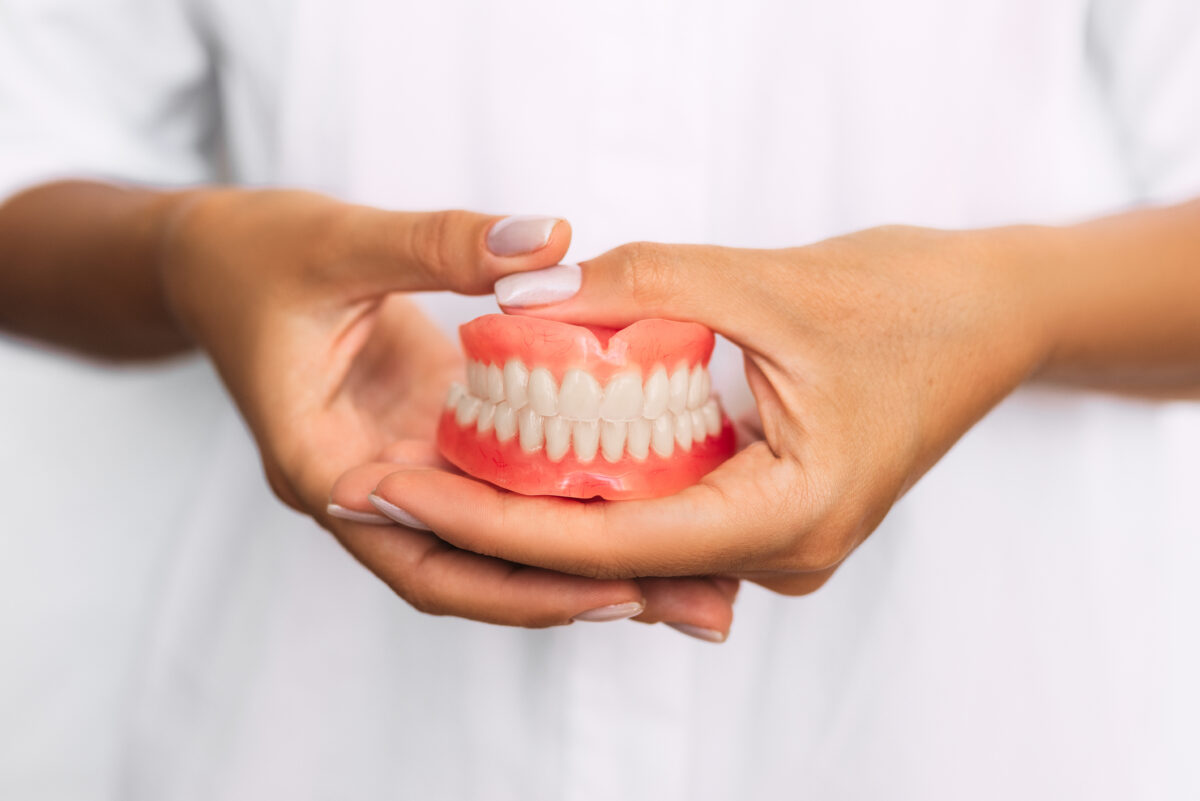
Dentures That Fit Your Life: Comfort, Stability, And A Confident Smile Again

If you’ve lost teeth—or you’re living with teeth that keep breaking down—dentures can feel like the obvious next step. But “dentures” isn’t one simple thing. There are different styles, different levels of stability, and different ways to make them feel more natural in day-to-day life.

The real goal of dentures isn’t just to “fill spaces.” It’s to help you eat comfortably, speak clearly, and feel confident again. When dentures are designed well and paired with the right care, they can be a dependable solution that brings back a sense of normal.

If you’ve been putting off a denture conversation because you’re worried it will feel awkward or obvious, take a breath. Today’s denture options are more personalized than many people expect, and there are ways to improve stability if you’ve had trouble in the past.

What Dentures Do (And What They Don’t)

Dentures replace missing teeth. They restore the look of a full smile and can improve function—especially compared to having open gaps or chewing with only a few teeth.

Dentures can help with:

  • Chewing a wider range of foods
  • Supporting facial shape (missing teeth can change the way cheeks and lips sit)
  • Clearer speech (teeth help form certain sounds)
  • Confidence in social situations

But dentures also require adjustment and care. They are not natural teeth, and your mouth needs time to learn them—similar to breaking in a new pair of shoes. With the right fit and realistic expectations, most people adapt well.

Types Of Dentures: Which One Fits Your Needs?

Dentures are often grouped by how many teeth they replace and how they stay in place. Here are the most common categories.

Full Dentures

Full dentures replace all the teeth in the upper arch, lower arch, or both. They rest on the gums and are shaped to fit the ridge of your jaw.

Some people do well with full dentures right away. Others notice movement, especially on the lower arch where the tongue and muscles can push against the denture.

Partial Dentures

A partial denture replaces several missing teeth while some natural teeth remain. It typically anchors around the remaining teeth for support. Partials can be helpful when you’re missing multiple teeth but don’t need a full arch replacement.

Immediate Dentures

In certain cases, dentures can be placed soon after teeth are removed. This can help you avoid going without teeth during healing. Because gums and bone change during the healing phase, immediate dentures often need adjustments and may later be updated for a better long-term fit.

Implant-Supported Denture Options

If you’ve struggled with loose dentures, implant support can add a major boost in stability. Implant-supported denture options can include:

  • A removable “snap-in” style that clicks onto implants for more security
  • A fixed implant bridge style in certain cases (often discussed as a full-arch implant solution)

Implant-supported options aren’t “required,” but they can be a strong upgrade for patients who want less movement and more confidence when eating and speaking.

The Denture Process: From Evaluation To A Confident Fit

Dentures work best when the plan is personalized. A rushed denture is more likely to cause soreness, slipping, and frustration.

Here’s what the process often includes:

1) Consultation And Planning

Your dental team looks at your gums, bone support, remaining teeth, and bite. If extractions are needed, those are planned too. The goal is to map out a step-by-step path, not just “make a denture.”

2) Impressions And Bite Records

Dentures are custom-made. Accurate impressions help create a fit that feels more comfortable. Bite records help align your denture teeth so chewing feels balanced.

3) Try-In And Adjustments

Many denture plans include a “try-in” stage where you see how the teeth look and feel before the final denture is made. This helps fine-tune the shape, bite, and appearance.

4) Delivery And Follow-Up

When dentures are delivered, your mouth will need time to adapt. Follow-up visits matter because small pressure points can cause big sore spots. Adjustments help you settle in faster.

Dentures are not perfect on day one. They get better with fine-tuning, and that’s normal.

The Benefits Of Dentures

Dentures have helped millions of people rebuild their smiles, and they remain a reliable option for tooth replacement—especially when designed carefully and supported with good aftercare.

Benefits of dentures include:

Restores your smile quickly
Dentures can replace many missing teeth at once, improving appearance and function.

Helps you chew more comfortably
Even a basic denture can expand your food options compared to chewing with gaps or failing teeth.

Supports facial structure
Replacing missing teeth can help support the lips and cheeks, which often improves facial balance.

Can improve speech
Once you adjust, dentures can help with clearer pronunciation of certain sounds.

Options for more stability
If movement is a concern, implant-supported dentures can add security and comfort.

A path forward when teeth can’t be saved
For patients with widespread damage, dentures can be a fresh start that ends the cycle of repeated dental emergencies.

Getting Used To Dentures: What’s Normal And What Helps

Adjusting to dentures takes time. It’s normal to experience:

  • A feeling of “fullness” in the mouth
  • Mild soreness in certain spots
  • Extra saliva at first
  • Small speech changes while your tongue adapts
  • A learning curve with chewing

Here’s what helps most people adjust faster:

  • Start with softer foods and small bites
  • Chew slowly and use both sides of the mouth
  • Practice reading out loud to improve speech confidence
  • Keep follow-up appointments for adjustments
  • Clean your dentures daily (and clean your gums too)

If a spot hurts, don’t “power through” it. Sore areas usually mean an adjustment is needed. A quick tweak can make a big difference.

How To Care For Dentures And Your Mouth

Dentures are not “self-cleaning.” Daily care keeps them fresh and helps protect your gums.

Basic care tips:

  • Rinse dentures after meals when possible
  • Brush dentures daily with a denture-safe brush and cleanser
  • Soak them as recommended (especially overnight for removable styles)
  • Brush your gums and tongue gently to reduce bacteria
  • Remove dentures at night unless your dentist instructs otherwise

If you have implant-supported dentures, cleaning around the implants is especially important. Your dental team may recommend specific tools to help you reach the areas that collect plaque.

When Dentures Feel Loose: Why It Happens And What You Can Do

A common frustration is dentures that start to feel looser over time. This can happen because:

  • The jawbone and gum ridge change shape after tooth loss
  • The denture material wears down
  • The bite changes
  • The denture no longer matches the updated shape of your mouth

Solutions may include:

  • Adjustments to improve the fit
  • Relines to refresh the inside surface
  • A new denture when the old one is worn
  • Implant support for greater stability

If you’ve been told, “That’s just how dentures are,” know this: comfort and stability can often be improved. You may have more options than you think.

A More Confident Way To Think About Dentures

Dentures are not a “step down.” For many people, they’re a step out of constant dental stress. If your teeth have been breaking, hurting, or failing for years, dentures can be a reset that puts comfort back into your day.

The best dentures aren’t just about teeth—they’re about fit, function, and a plan that respects your goals. Some patients want a simple removable solution. Others want added security with implants. Both are valid. The right answer is the one that helps you live more freely.

Dentures can be a fresh start—whether you need a full denture, a partial denture, or added stability through implant support. The key is a fit that respects your bite, careful follow-up adjustments, and daily habits that keep your mouth healthy. With the right plan, dentures can feel less like a compromise and more like a reliable way to get your comfort back.Ready to explore dentures that match your needs? Contact Secure Dental to schedule your consultation or book an appointment at one of our convenient locations across Iowa, Indiana, Illinois, and Tennessee—and take the next step toward a secure, comfortable smile.


All-On-X Implants: A Smile Reset That Lets You Eat, Laugh, And Live Again

If you’ve ever felt like your teeth are “holding you back,” you’re not imagining it. When teeth are loose, damaged, missing, or painful, life gets smaller. You avoid certain foods. You chew carefully. You worry about a denture shifting at the wrong moment. You may even stop smiling as big—not out of embarrassment, but out of uncertainty.

All-On-X implants are designed for people who want a secure, full-arch solution that stays in place. Instead of replacing teeth one-by-one, All-On-X implants rebuild an entire upper arch, lower arch, or both using a small number of strategically placed implants and a fixed set of teeth. The goal is simple: stability, comfort, and a smile that feels like part of you.

What “All-On-X Implants” Means (And Why The “X” Matters)

“All-On-X implants” describes a full-arch implant approach where “X” stands for the number of implants supporting the arch. Some patients may need four implants, while others may need five or six—or another number based on anatomy and bite forces. The key idea is the same: a full set of teeth is supported by multiple implants placed in the strongest areas of the jaw.

All-On-X implants can be a strong option if you:

  • Have multiple missing teeth
  • Have teeth that are failing due to decay, cracks, or gum disease
  • Have dentures that feel loose or unreliable
  • Want a fixed solution that doesn’t come out at night
  • Want a plan that supports normal eating and speaking

Instead of a removable appliance that rests on gums, All-On-X implants anchor a bridge to implants—creating a “locked in” feel that many patients describe as life-changing.

How All-On-X Implants Work: The Big Picture

All-On-X implants are built around three important steps: creating a clean foundation, placing stable anchors, and securing a bridge designed for your mouth.

Step 1: Preparing The Foundation

If you have remaining teeth that can’t be saved, they may need to be removed. This can feel like a big moment, but it’s also the start of a fresh chapter. Removing painful or unstable teeth clears the way for a healthier, more predictable result.

Step 2: Placing Implants In Strong Bone

Implants are placed in the jawbone to act like new roots. In many All-On-X implants plans, some implants may be angled to take advantage of stronger bone and to avoid certain anatomical spaces. This can help create stability in areas where bone may be thinner.

Step 3: Attaching A Fixed Bridge

A fixed bridge (a full row of teeth) is secured to the implants. Many All-On-X implants plans include a temporary fixed bridge while healing occurs. Later, a final bridge is made for long-term durability and natural appearance.

All-On-X implants are not one “single appointment” for everyone, but the overall process is designed to move you from unstable to secure as efficiently and safely as possible.

What Day-To-Day Life Feels Like With All-On-X Implants

The best way to understand All-On-X implants is to picture what you want your day to feel like again:

  • Taking a normal bite of a sandwich without fear
  • Eating steak, apples, or crunchy foods without relying on one side
  • Speaking clearly without worrying about movement
  • Smiling and laughing without second-guessing
  • Not using adhesives or removing teeth at night

All-On-X implants are built for function. While appearance is important, the real win is confidence during everyday moments.

The Benefits Of All-On-X Implants

All-On-X implants can be a turning point for patients who feel stuck in the cycle of broken teeth, repeated dental emergencies, or unstable dentures.

Benefits of All-On-X implants include:

A secure, fixed smile
All-On-X implants support a bridge that stays in place. Many patients love not having to remove teeth nightly.

Better chewing power
Implant support can provide a stronger, more stable bite compared to many removable options.

Support for jawbone health
When implants connect with bone, they help provide stimulation during chewing, which can help slow bone loss over time.

A simplified approach to full-arch replacement
Rather than replacing each missing tooth with its own implant, All-On-X implants use a strategic number of implants to support a full arch.

Comfort without adhesives
Patients often appreciate not needing sticky products or worrying about movement while eating or talking.

A plan that can be customized
All-On-X implants aren’t one-size-fits-all. The “X” can change based on your anatomy, bone support, and bite needs.

All-On-X Implants Vs. Traditional Dentures: What’s Different?

Traditional dentures can restore appearance and some function, but they rest on the gums. Over time, the jawbone can change shape. That’s part of why dentures can feel looser as the years go by. Some people do fine with dentures, while others struggle with sore spots, slipping, and a limited diet.

All-On-X implants are anchored. That anchoring is what changes the game:

  • The bridge is secured to implants, so it doesn’t rely on suction or adhesive
  • Chewing can feel more stable
  • Many patients feel more confident in social situations
  • The jawbone may have more support from implant stimulation

It’s not about one option being “good” and the other being “bad.” It’s about choosing the solution that fits your lifestyle, your goals, and your mouth.

What Makes Someone A Good Candidate For All-On-X Implants?

Many patients are surprised to learn they may still qualify for All-On-X implants even if they’ve been told they have “bone loss.” Candidacy depends on:

  • The amount of available bone in key areas
  • Gum health and infection control
  • Overall health and healing ability
  • Bite forces and jaw alignment
  • Tobacco use (which can affect healing)

A detailed evaluation is the only way to know for sure. The goal is to choose implant placement and bridge design that will be stable—not just today, but long-term.

Healing And Aftercare: How To Protect Your New Smile

Healing after All-On-X implants is a journey. The early stage is about comfort and allowing the implants to settle into the bone. Later, it’s about building habits that keep gums healthy and keep the bridge clean.

Helpful aftercare habits include:

  • Following the recommended eating plan during healing (often softer foods at first)
  • Keeping follow-up visits so the team can track healing
  • Cleaning around the bridge daily with the tools your dentist recommends
  • Brushing gently and consistently
  • Avoiding tobacco during healing
  • Wearing a nightguard if you clench or grind

Your bridge may feel “so solid” that it’s easy to forget it still needs daily care. But like a high-performance car, it runs best with regular maintenance.

A Simple Metaphor For All-On-X Implants

If dentures are like a removable “cover” for missing teeth, All-On-X implants are more like rebuilding the framework. Instead of resting on the surface, you create anchored support from beneath. That’s why patients often describe All-On-X implants as a full reset—because the stability changes how they eat and speak, not just how they look.

All-On-X implants are a big decision, but they don’t have to feel overwhelming. The best next step is a clear, personalized evaluation and a plan that matches your goals.

All-On-X implants are designed to replace a full arch with a secure, fixed set of teeth supported by strategically placed implants. For many patients, the biggest benefit isn’t just a better-looking smile—it’s the return of normal eating, clearer speech, and confidence that doesn’t depend on adhesives or “hoping it stays put.” A thorough evaluation helps confirm candidacy and map out the safest path forward.

Ready to see if All-On-X implants could be the right fit for you? Contact Secure Dental to schedule your consultation or book an appointment at one of our convenient locations in East Peoria or Chicago, IL; Davenport, IA; or Hammond, IN—and take the next step toward a secure, confident smile.

Dental Bridge Implants: Replace Several Teeth With A Strong, Stable Solution

Missing one tooth is frustrating. Missing two or three in a row can feel like a whole section of your smile went offline. Chewing becomes uneven. Food gets trapped. Your bite changes in subtle ways. And even if the gap is in the back, you may start avoiding certain foods without realizing it.

Dental bridge implants are a modern way to replace multiple missing teeth using dental implants as the support. Instead of relying on neighboring natural teeth to hold a bridge, dental bridge implants use implants as anchors—creating a stable, secure solution that feels closer to natural teeth.

If you’ve been told you “need a bridge,” it’s worth asking one more question: should that bridge be supported by teeth—or by implants?

What Are Dental Bridge Implants?

A traditional dental bridge “bridges” a gap by attaching an artificial tooth (or teeth) to the natural teeth on either side. Those neighboring teeth usually need to be reshaped to hold crowns, and the bridge is cemented to them.

Dental bridge implants work differently. With a dental bridge implant, one or more dental implants are placed in the jawbone and used as strong posts to support the bridge. The bridge is then attached to the implants, not to your natural teeth.

This matters because dental bridge implants:

  • Do not require shaving down healthy neighboring teeth
  • Provide a firm bite with less movement
  • Help slow bone loss in the area of the missing teeth
  • Often feel more stable than a removable option

A common setup might be:

  • Two implants placed with a bridge spanning the space between them
  • One implant and a special design depending on the gap and bite forces
  • Multiple implants supporting a longer bridge in larger spaces

Your dental team will recommend the safest design based on how many teeth are missing, where the gap is, and how your bite works.

Why Missing Teeth Cause More Problems Than You Think

When teeth go missing, your mouth doesn’t “pause.” It adapts—and not always in a good way.

Here’s what can happen over time:

  • Neighboring teeth drift toward the empty space
  • The opposing tooth can start to move downward or upward into the gap
  • Your bite becomes less balanced, placing extra stress on certain teeth
  • The jawbone in that area can begin to shrink because it isn’t being stimulated by chewing
  • Gum tissue can change shape, making future restorations harder

Dental bridge implants help stop this chain reaction. By replacing missing teeth with an implant-supported solution, you restore support to your bite and give your jawbone a reason to stay strong.

The Dental Bridge Implant Process: Step By Step

Getting dental bridge implants is a process, not a single appointment. The good news is that each step has a clear purpose.

1) Consultation And Planning

You’ll start with an evaluation to look at the gap, your bite, and your jawbone. Planning matters because implants need enough healthy bone and the right placement to handle chewing forces.

2) Implant Placement

A dental implant is placed into the jawbone, where it acts like a new “root.” You won’t walk out with a metal screw showing—implants are placed under the gumline and allowed to heal.

3) Healing And Integration

Over time, the bone bonds to the implant. This is what gives dental bridge implants their strength. Healing time varies by patient and by the condition of the bone.

4) The Bridge Is Designed And Attached

Once the implants are ready, the bridge is made to fit your mouth, match your bite, and look natural. Then it’s attached to the implants, creating a strong replacement for the missing teeth.

Depending on your situation, you may have a temporary tooth solution during healing so you’re not left with an obvious gap.

Dental Bridge Implants Vs. A Traditional Bridge

Both options can replace missing teeth, but they solve the problem in different ways.

A traditional bridge can be a reasonable choice when neighboring teeth already need crowns or when implants aren’t ideal for a patient’s health or anatomy. But there are trade-offs:

  • Neighboring teeth may need to be reduced to support the bridge
  • Cleaning under a traditional bridge can be more challenging
  • The jawbone under the missing tooth area can still shrink over time because there’s no root-like support in the bone

Dental bridge implants avoid many of those concerns by using implants as the support structure. You’re not asking your natural teeth to carry the full load. And because implants connect to the bone, they help maintain that bone.

The Benefits Of Dental Bridge Implants

Dental bridge implants are popular because they combine strength with a natural-feeling bite. They’re designed to help you function normally again—without worrying about shifting, slipping, or “babying” one side of your mouth.

Benefits of dental bridge implants include:

Strong, stable chewing
Implants act like anchored supports, so your bridge can feel firm when you eat.

No need to reshape healthy teeth
In many cases, dental bridge implants don’t require altering the neighboring teeth the way a traditional bridge does.

Helps maintain jawbone
Because implants stimulate the bone during chewing, they can help slow bone loss in the area of the missing teeth.

A natural look and feel
Dental bridge implants are designed to match your smile and fit your bite, often making them feel more like real teeth than other replacements.

Long-term convenience
A fixed implant bridge doesn’t require adhesives and isn’t removed daily like many dentures.

Better bite balance
Replacing missing teeth with a stable foundation can reduce uneven chewing and the extra strain it puts on other teeth.

Caring For Dental Bridge Implants

Dental bridge implants are not “set it and forget it.” They’re strong, but they still require daily care—just like natural teeth.

Helpful habits include:

  • Brushing twice daily, including along the gumline
  • Cleaning around and under the bridge (your team may recommend special flossers or tools)
  • Regular professional cleanings to remove plaque buildup
  • Avoiding chewing ice or using your teeth as tools
  • Wearing a nightguard if you grind your teeth

A big advantage of dental bridge implants is stability, but gum health still matters. Healthy gums and good home care help protect the implants long-term.

Who Is A Good Candidate For Dental Bridge Implants?

Many people can be candidates for dental bridge implants, even if they’ve been missing teeth for a long time. The main factors include:

  • Overall health and healing ability
  • Gum health
  • The amount and quality of jawbone
  • Bite forces and tooth position
  • Smoking or tobacco use (which can affect healing)

If there isn’t enough bone, your dentist may discuss ways to strengthen the foundation first. The goal is not to rush—it’s to build a result that lasts.

What If You’ve Been Living With A Gap For Years?

A common misconception is that if you’ve had missing teeth for a long time, nothing can be done. In reality, dental bridge implants are often used to rebuild smiles after years of tooth loss. The plan may simply require extra steps—like improving bone support—before the implants are placed.

The longer a space is left open, the more the mouth tends to adapt around it. That’s why it’s smart to get an evaluation even if you’ve “made it work” for a while. You may have more options than you think.

The Takeaway: A Bridge That Doesn’t Depend On Your Natural Teeth

Dental bridge implants are a smart option when you want a fixed replacement for multiple teeth without leaning on neighboring teeth for support. They’re designed to restore comfort, function, and stability—so chewing feels normal again and your smile feels complete.

Dental bridge implants are built for people who want a fixed solution for multiple missing teeth without asking neighboring teeth to do the heavy lifting. With implant support, your bridge can feel steady, your bite can stay balanced, and your jawbone has a better chance of holding its shape over time. The best next step is a personalized exam to see what design fits your gap and your goals.If you’re ready to explore dental bridge implants and find out what fits your needs, contact Secure Dental to schedule your consultation or book an appointment at one of our convenient locations across Iowa, Indiana, and Illinois. A strong, secure smile starts with a clear plan.

Oral Surgery Without The Drama: What To Expect And How To Heal Well

Hearing the words “oral surgery” can make your mind race. You might picture swelling, pain, and a long recovery. But most oral surgery is straightforward, planned, and done for one simple reason: to solve a problem that won’t get better on its own. Whether it’s a tooth that needs to come out, a stubborn infection, or prep work for implants, oral surgery is often the fastest path to relief and long-term stability.

Oral surgery is not one single procedure. It’s a category of treatments that help repair, remove, or rebuild parts of the mouth—teeth, gums, bone, and supporting structures. The common thread is this: oral surgery is designed to restore comfort, function, and health.

Dentistry is usually about saving teeth whenever possible. But sometimes the best care plan involves a surgical step. Oral surgery may be recommended when:

  • A tooth is too damaged to repair
  • An infection is trapped and needs to be drained or removed
  • A tooth is stuck under the gums (impacted)
  • There isn’t enough healthy bone for an implant
  • You need a stable foundation for dentures or All-On-X implants
  • A painful problem keeps returning despite smaller treatments

In many cases, oral surgery prevents bigger issues later. Think of it like fixing a weak spot in a foundation before the whole structure starts to shift. A short procedure now can avoid repeated pain and repeated visits later.

Common Types Of Oral Surgery (In Plain Language)

Oral surgery can sound complicated, but the most common procedures are easy to understand when you know what they do.

Tooth Extractions

An extraction removes a tooth that can’t be saved or that is causing problems. Sometimes it’s a simple removal. Other times, a tooth is broken or stuck and needs a more careful approach. Extractions may be recommended for:

  • Severe decay
  • Cracks below the gumline
  • Advanced gum disease that loosens the tooth
  • Wisdom teeth that are trapped or pushing other teeth
  • Teeth that interfere with orthodontic or implant plans

Surgical Extractions

If a tooth is impacted, broken, or hard to reach, a surgical extraction may be needed. This can involve lifting the gum tissue and sometimes removing small sections of bone to safely remove the tooth.

Bone Grafting (Building Support)

Dental implants need strong bone to hold them. If bone has shrunk due to missing teeth, gum disease, or long-term denture wear, bone grafting may help rebuild that support. Bone grafting can also be used after an extraction to help keep the ridge from shrinking too much.

Infection Treatment And Drainage

When bacteria get trapped, pressure can build, causing swelling and pain. In some situations, oral surgery helps remove infected tissue or drain an area so it can heal.

Placing a dental implant is a surgical procedure. Some patients also need additional steps, like bone support, before implants can be placed successfully.

Your specific oral surgery plan depends on your mouth, your comfort needs, and your long-term goals—like restoring chewing power or moving forward with implant dentistry.

What An Oral Surgery Visit Typically Feels Like

Most patients are surprised by how manageable oral surgery feels when it’s done with the right planning.

Here’s what usually happens:

Step 1: Clear Evaluation And Imaging

Before oral surgery, your dental team needs a clear picture of your tooth roots, jawbone, and nearby structures. This helps plan the safest, smoothest approach.

Step 2: Comfort First

You’ll receive strong numbing medication so you don’t feel sharp pain. If you’re anxious, ask about comfort options. Many practices offer ways to help patients feel more relaxed during oral surgery.

Step 3: The Procedure Itself

Oral surgery is usually focused and efficient. The goal is to work carefully without rushing. You may feel pressure or movement, but you should not feel pain.

Step 4: Home Care Instructions

You’ll leave with specific steps for recovery: what to eat, how to clean, what to avoid, and how to manage soreness and swelling.

It’s normal to feel nervous before oral surgery. The best way to lower anxiety is to know what’s coming and to have a plan for recovery.

The Benefits Of Oral Surgery

Oral surgery isn’t about “doing more.” It’s about doing what’s needed to restore health and prevent repeat problems.

Benefits of oral surgery include:

Relief from pain and infection
When a damaged tooth or trapped infection is removed, pressure and inflammation can calm down.

Prevents problems from spreading
Infections in the mouth don’t always stay put. Oral surgery can remove the source and reduce the risk of deeper issues.

Improves chewing and bite stability
Removing a failing tooth and replacing it with a stable plan (like implants or a bridge) helps restore balance to your bite.

Creates a stronger foundation for implants
Procedures like extractions, bone shaping, or grafting help prepare your mouth for long-lasting implant results.

Supports long-term oral health
Fixing the root cause of recurring problems often saves you time, discomfort, and frustration later.

Boosts confidence in your care plan
When you know the problem is handled properly, it’s easier to move forward with restoring your smile.

Recovery Tips: How To Heal Smoothly After Oral Surgery

Healing well is partly about what the dentist does—and partly about what you do afterward. A few smart habits can make a big difference.

The first 24 hours

  • Keep pressure on the gauze as instructed to help a clot form
  • Rest and keep your head slightly elevated
  • Use cold packs on the outside of your face in short intervals
  • Avoid smoking or vaping (it slows healing and raises complication risk)
  • Avoid spitting, using straws, or vigorous rinsing (these can disturb the clot)

Days 2–4

  • Switch to warm compresses if advised
  • Eat soft foods like yogurt, eggs, soups, and smoothies (without straws)
  • Keep the area clean with gentle rinses as instructed
  • Take medications exactly as directed

Ongoing care

  • Brush carefully around the surgical area
  • Avoid crunchy or sharp foods until cleared
  • Attend follow-up visits if scheduled

One of the most common recovery setbacks is “dry socket,” which can happen when the clot is disrupted after an extraction. Following your after-care instructions closely reduces that risk.

When To Call The Dental Office After Oral Surgery

Some soreness and swelling are normal. But it’s important to know the difference between normal healing and a problem that needs attention.

Call your dental team if you notice:

  • Bleeding that won’t slow down with pressure
  • Swelling that gets worse after 3 days instead of better
  • Fever or chills
  • Pain that suddenly spikes after feeling better
  • A bad taste or pus-like drainage
  • Numbness that doesn’t improve

You’re not “bothering” anyone by calling. Oral surgery is a planned medical procedure, and your team wants you to heal comfortably and safely.

A Patient-Friendly Way To Think About Oral Surgery

A lot of fear around oral surgery comes from the unknown. Here’s a simpler way to view it: oral surgery removes obstacles. It clears out what can’t be saved, reduces infection risk, and prepares your mouth for something stronger.

Imagine trying to paint a wall that has peeling layers underneath. You can keep adding paint, but it won’t last. Sometimes you need to remove the weak layer first. Oral surgery is that “prep work” for your mouth—so the final result is stable and dependable.

If you’ve been putting off care because you’re nervous, remember this: delaying oral surgery usually doesn’t make the problem smaller. It often makes it louder. The earlier you address it, the more options you tend to have.

Oral surgery is simply dentistry’s problem-solver—used when removing, repairing, or rebuilding is the safest way forward. When you understand the steps and have a clear recovery plan, the experience becomes far less intimidating. The right timing and the right team can turn a “big worry” into a straightforward path to relief. If you think you might need oral surgery—or you’ve been living with a tooth that keeps flaring up—reach out to Secure Dental to schedule a consultation or book an appointment at one of our convenient locations in East Peoria or Chicago, IL; Lake Station or Hammond, IN; or in Davenport, IA. We’ll help you understand your options and move forward with a clear plan.

Root Canal Therapy: The Calm, Smart Way To Save A Hurting Tooth

A toothache can hijack your whole day. You try to ignore it, chew on the other side, rinse with something warm, and hope it fades. But when pain keeps coming back—or your tooth starts reacting to hot, cold, or pressure—your body is waving a flag: something inside that tooth needs attention. Root canal therapy is often the treatment people fear the most, yet it’s one of the most dependable ways to stop pain and keep your natural tooth.

Root canal therapy isn’t about “drilling forever.” It’s a careful, step-by-step process that removes irritated or infected tissue from the inside of the tooth, cleans the space, and seals it so the tooth can stay in place and function again. For many patients, the biggest surprise is how relieved they feel afterward—because the source of pain is gone.

What Root Canal Therapy Really Treats (And Why It Hurts)

Inside every tooth is a soft center called the pulp. The pulp holds nerves and blood vessels that helped the tooth develop. In a healthy adult tooth, you don’t “need” that pulp to keep chewing—but the pulp can become inflamed or infected.

Common reasons a tooth may need root canal therapy include:

  • A deep cavity that reaches the inner tooth
  • A cracked or chipped tooth that lets bacteria enter
  • A large filling that’s close to the nerve
  • Repeated dental work on the same tooth
  • Trauma to the tooth (even if you don’t see a crack)

When the pulp is irritated, nerves can send sharp signals. That’s why you might feel:

  • A lingering ache after hot or cold
  • A “zing” when biting
  • Throbbing pain that wakes you up
  • Swelling or tenderness in the gums
  • A pimple-like bump on the gum (a sign of drainage)

Root canal therapy addresses the problem at the source: the inside of the tooth. Instead of masking symptoms, it removes what’s causing them.

What To Expect During Root Canal Therapy

Most people imagine root canal therapy as a long, miserable procedure. In reality, modern techniques and strong numbing medicine make it feel similar to getting a filling—just with more steps.

Here’s how root canal therapy commonly works:

1) Getting Comfortable And Numb

Your dental team will numb the tooth and surrounding area so you don’t feel pain during the procedure. If you’re anxious, talk to the team about comfort options. The goal is to help you stay calm and steady.

2) Creating A Small Opening

A small opening is made in the top of the tooth. This allows access to the inside where the irritated tissue sits.

3) Removing The Infected Or Inflamed Tissue

The dentist carefully removes the damaged pulp tissue from the root canals. Think of the canals as tiny tunnels inside the roots of your tooth.

4) Cleaning And Shaping The Canals

The canals are cleaned and shaped so they can be sealed properly. This step is important because it helps remove bacteria and creates a smooth space for the filling material.

5) Sealing The Tooth

Once the canals are clean, they’re filled and sealed to prevent future infection. Depending on the situation, you may receive a temporary filling first and return for a final restoration.

6) Restoring Strength With A Crown (Often)

After root canal therapy, many teeth need a crown. A crown covers and protects the tooth, especially if it’s a back molar that takes strong chewing forces. The crown helps prevent cracks and helps the tooth last.

Root canal therapy is not a “quick fix”—it’s a “save the tooth” plan. And that plan often works for years and years when you keep up with regular dental care.

Root Canal Therapy Vs. Tooth Extraction: How To Think About The Choice

When you’re in pain, it’s normal to think, “Just pull it.” But extraction is not always the easiest option in the long run. A natural tooth has a job: it holds space, supports your bite, and helps you chew evenly. When one tooth goes missing, nearby teeth can drift. The opposing tooth can move too. Over time, your bite can change, and that can lead to more dental work.

Root canal therapy keeps your natural tooth in place. That matters because:

  • Chewing remains balanced
  • Neighboring teeth stay more stable
  • Your jawbone keeps getting stimulation from biting
  • Your smile stays more consistent

Extraction can be the right choice in some cases—like when a tooth is too broken down to restore. But when the tooth can be saved, root canal therapy is often the most conservative path.

If you do need an extraction, your dentist can help you plan what comes next, such as an implant, bridge, or denture option. The key is not to leave an empty space untreated for too long.

The Benefits Of Root Canal Therapy

Root canal therapy is one of those treatments that quietly improves your life. When it works well, you stop thinking about that tooth altogether—because it goes back to being part of your normal routine.

Benefits of root canal therapy include:

Fast relief from pain
Once the infected or inflamed pulp is removed, the pressure and irritation decrease. Many people feel a big improvement quickly.

Keeps your natural tooth
Saving your natural tooth helps preserve your bite and reduces the chances of shifting teeth.

Helps you chew comfortably
A treated and restored tooth can handle normal biting and chewing again, especially with a crown when needed.

Prevents infection from spreading
An infected tooth doesn’t always stay “contained.” Root canal therapy reduces bacteria and lowers the risk of the infection spreading to nearby tissues.

Protects your smile’s shape
Keeping the tooth helps maintain the natural look and spacing of your teeth.

Long-term value for your mouth
Even though the pulp is removed, the tooth can still function for many years with proper restoration and care.

How To Take Care Of A Tooth After Root Canal Therapy

Root canal therapy is not the finish line—it’s the turning point. After treatment, your goal is to protect that tooth so it lasts.

Here’s what helps:

  • Get the recommended restoration (often a crown) on schedule
  • Brush twice a day with fluoride toothpaste
  • Floss daily, especially around the treated tooth
  • Avoid chewing ice or hard candy (common causes of cracks)
  • Wear a nightguard if you grind your teeth
  • Keep up with routine checkups and cleanings

A tooth that has had root canal therapy can sometimes become more brittle. That’s why the protective restoration matters. With the right follow-through, root canal therapy can be a “one-and-done” solution.

Signs You Might Need Root Canal Therapy

Not every toothache needs root canal therapy, but certain signs make it more likely:

  • Pain that lingers after hot or cold
  • Pain when biting that doesn’t go away
  • A tooth that feels “taller” or sensitive to pressure
  • Darkening of the tooth
  • Swollen gums near the tooth
  • A recurring bump on the gum
  • Pain that comes and goes, then returns stronger

If you notice these symptoms, it’s smart to schedule an evaluation sooner rather than later. Waiting can allow damage to grow. Early treatment usually means a smoother experience.

A More Reassuring Way To View Root Canal Therapy

If “root canal therapy” sounds scary, try thinking about it this way: it’s a rescue mission. The goal is to remove the problem from inside the tooth and give you a solid, comfortable tooth again.

A helpful metaphor is cleaning out a splinter. The outside might look okay, but the irritation is underneath. Once the irritant is removed, your body can calm down and heal. Root canal therapy works in a similar way—by removing what’s causing your tooth to complain.

If you’re nervous, you’re not alone. Many patients feel anxious, and that’s normal. A good dental team will explain each step, help you feel in control, and make comfort a priority.

Root canal therapy is often the most direct way to stop tooth pain while keeping your natural tooth in place. When the inside of a tooth is irritated or infected, the symptoms rarely stay “small” for long. Getting evaluated early can mean a smoother visit, fewer surprises, and a faster return to normal eating and comfort.Ready to stop the toothache cycle and protect your smile? Contact Secure Dental to schedule your consultation or book an appointment at one of our convenient locations in Lake Station or Portage, Indiana —so you can get back to eating, smiling, and living comfortably.

Cosmetic Dentistry: Small Changes That Can Make a Big Difference

A smile can do a lot of heavy lifting—welcoming people, showing warmth, and helping you feel ready for the day. The interesting thing is that you don’t always need a major makeover to see a meaningful change. Cosmetic dentistry is built around the idea that small, thoughtful improvements can add up to a smile that looks healthier, brighter, and more balanced—while still looking like you.

In this guide, you’ll learn what cosmetic dentistry includes, how to choose the right treatment, and how to plan your next step with confidence.

What Cosmetic Dentistry Means and Where It Fits

Cosmetic dentistry focuses on improving the appearance of teeth and gums. That usually includes tooth color, tooth shape, alignment, and how evenly the smile comes together. It can also include gum reshaping when the gumline looks uneven.

One important point: smile-focused care doesn’t ignore health. In fact, many esthetic treatments work best when teeth and gums are healthy first. If there’s decay, gum inflammation, or bite problems, your dentist may recommend addressing those issues before or alongside cosmetic dentistry so the results last.

This type of care commonly helps with:

  • Stained or yellow teeth
  • Chipped or worn edges
  • Small gaps or uneven spacing
  • Mild crowding or slight rotation
  • Teeth that look too short or misshapen
  • An uneven gumline

It’s also personal. Two people can have the same “issue” and want different outcomes. Some patients want a brighter, more dramatic look. Others want subtle, natural improvements. A good plan respects your goals and your comfort level.

There’s no single treatment that defines cosmetic dentistry. Instead, it’s a set of options your dentist can mix and match to fit your smile.

Teeth whitening
Professional whitening can lift many stains and brighten your smile in a controlled way. It’s often a great first step because it’s noninvasive and can produce visible change quickly.

Bonding
Bonding uses a tooth-colored material to repair small chips, close tiny gaps, or reshape edges. It’s often done in one visit and can be a smart option when you want a modest change.

Veneers
Veneers are thin coverings placed on the front of teeth to improve color and shape. They can be part of cosmetic dentistry when you want a more dramatic and long-lasting improvement in the front teeth.

Clear aligners
When mild to moderate alignment is part of the goal, clear aligners can be included in cosmetic dentistry planning. Straightening first often makes other treatments look more natural, because teeth are in better positions.

Crowns
Crowns cover more of the tooth than veneers and can be used when a tooth is weakened or heavily repaired. In smile enhancement plans, crowns can improve appearance while also restoring strength.

Gum contouring
Sometimes the teeth look “short” because the gums cover more enamel than usual, or the gumline looks uneven. Gum contouring can create a more balanced frame for the teeth.

A dentist can explain these options in plain language and help you choose what fits your goals, timeline, and dental needs.

Planning Cosmetic Dentistry Without Feeling Overwhelmed

Cosmetic dentistry should feel clear and predictable, not confusing. Here’s a simple way many patients approach planning:

Start with your priorities
Instead of thinking “I want everything different,” choose one or two priorities. For example: “I want the color to look brighter,” or “I want the front teeth to look less uneven.”

Take care of the basics first
If you’re due for a cleaning, that’s a great starting point. Professional cleanings remove buildup and help your dentist evaluate gum health. Many smile improvement plans start with a clean, healthy foundation.

Build in stages
You don’t have to do everything at once. Smile improvement often works well as a step-by-step plan. A common order is:

  1. Improve health and stability (cleanings, fillings if needed)
  2. Align teeth if necessary
  3. Brighten color
  4. Refine shape and symmetry

Think about “natural” vs. “bright”
There’s no right answer, but it helps to decide what style you prefer. Cosmetic dentistry can look very natural when shade and shape are chosen carefully. Your dentist can show examples and help guide decisions so the final look fits your face.

Ask about bite and grinding
If you clench or grind, it can affect how long cosmetic dentistry lasts. Many patients benefit from a nightguard to protect their investment.

Benefits of Cosmetic Dentistry Based on Professional Dental Principles

Cosmetic dentistry is often described as “elective,” but that doesn’t mean it’s shallow. There are real, practical benefits—many of which align with professional dental principles like prevention, comfort, and long-term stability.

Motivation to keep up with healthier habits
Dental teams often see that when patients feel proud of their smile, they’re more likely to maintain brushing, flossing, and regular checkups. Cosmetic dentistry can support that positive cycle.

Easier plaque control in the right cases
When alignment improves, it may be easier to brush and floss effectively. Professional dental care emphasizes daily plaque removal, and orthodontic steps within a smile plan can support cleaner, healthier mouths.

Restored tooth edges and smoother surfaces
Repairing chips and worn edges can reduce rough spots that trap plaque or feel irritating. Smile-enhancing care can restore smoother contours that are easier to clean and more comfortable.

Better balance for chewing forces (when appropriate)
In some situations, adjusting alignment or restoring worn teeth can help distribute biting forces more evenly. Dentists often focus on protecting enamel from ongoing wear, and cosmetic dentistry can be part of that protective strategy when planned carefully.

Confidence that still feels like you
The goal is a smile that fits you, not a copy of someone else’s. Cosmetic dentistry aims for improvements that look natural in everyday life.

Choosing a Cosmetic Dentistry Path That Matches Your Life

The best plan depends on a few key factors:

  • Your current tooth and gum health
  • Your bite and any signs of grinding or clenching
  • How much change you want (subtle vs. dramatic)
  • Your timeline (event coming up vs. gradual improvement)
  • Your willingness to wear aligners or care for restorations

This is where a consultation is so helpful. A dentist can evaluate your smile, listen to your goals, and explain options without pressure. Many patients feel relief just having a clear roadmap.

It’s also normal to change your mind during planning. Maybe you start by wanting veneers and realize whitening plus bonding is enough. Or you start with whitening and then decide you’d like minor alignment. Cosmetic dentistry is flexible, and a good plan can adapt.

A Clear Finish: Turning Cosmetic Dentistry Into a Plan

Cosmetic dentistry is about thoughtful improvements that help your smile look healthier, brighter, and more balanced—while still feeling like you. Whether your next step is whitening, bonding, veneers, aligners, or a combination, the most important thing is having a plan that matches your goals and supports long-term oral health.

Ready to explore cosmetic dentistry options with a team that keeps things simple and patient-friendly? Contact Secure Dental to schedule a consultation and book an appointment. Secure Dental has 9 convenient locations across Iowa, Indiana, Illinois, and Tennessee, so you can choose the office that’s closest to you and start moving toward your smile goals.

Clear Aligners: A Flexible Way to Straighten Teeth Without Metal Brackets

A straight smile isn’t only about looks—it can also make brushing and flossing easier and help your bite feel more comfortable over time. The good news is that modern orthodontic care doesn’t always require wires and brackets. Clear aligners are a popular option for teens and adults who want a simpler, more low-profile path to straighter teeth. If you’re exploring this approach, this guide will help you understand how it works, what it can fix, and how to get the best result.

What Clear Aligners Are and How They Move Teeth

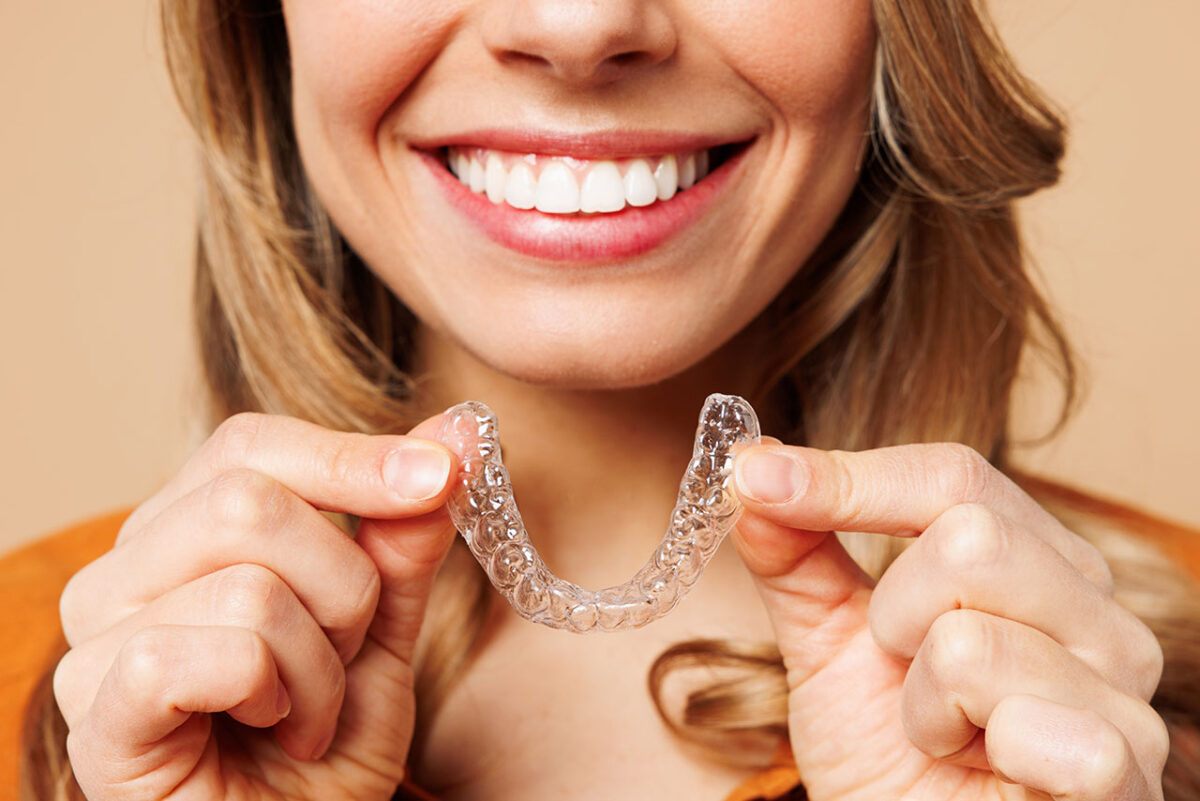
Clear aligners are thin, custom-made trays that fit snugly over your teeth. You wear them for most of the day, and they apply gentle pressure to guide teeth into better positions. Over time, you switch to a new set of trays—each one designed to move teeth a little bit closer to the planned end result.

Unlike traditional braces, this system can be removed for eating, brushing, and flossing. That’s one of the biggest reasons people choose clear aligners: they can keep normal routines while still making steady progress.

This type of treatment is often used to address:

  • Crowding (teeth that overlap)
  • Spacing (gaps between teeth)
  • Mild to moderate bite issues (how the top and bottom teeth meet)
  • Teeth that have shifted after braces or previous alignment

The exact changes possible depend on your starting point and your plan. A dental exam and orthodontic evaluation help confirm if clear aligners are right for you.

Daily Life With Clear Aligners: Simple Routines That Matter

Most people want to know what it actually feels like to go through treatment. Here’s what everyday life is usually like:

You’ll wear the trays most of the time
For the best outcome, clear aligners are typically worn 20–22 hours per day. That means you remove them for meals and snacks, then put them back in afterward.

You’ll switch trays on a schedule
Many plans use a change schedule such as every one to two weeks, depending on your case and your dentist’s instructions. Each new set feels snug at first because it’s doing its job—guiding the next small movement.

You’ll have check-ins
You’ll have periodic visits to make sure teeth are tracking correctly. These appointments are usually shorter and more straightforward than traditional wire adjustments.

You may use attachments
Some patients need small tooth-colored “buttons” placed on certain teeth to help the trays grip and move teeth more precisely. They’re designed to be subtle, and they’re removed at the end.

You’ll build easy habits
This treatment works best when it’s treated like part of your routine. Many patients find it easiest to follow a pattern: remove trays to eat, rinse or brush, then put them right back in.

A common question is whether clear aligners hurt. Most people describe the feeling as pressure rather than pain, especially when switching to a new set. That pressure usually fades after a day or two.

What Clear Aligners Can Fix and When Another Option May Be Better

These trays can do a lot, but they’re not the best tool for every situation. Understanding the best fit helps you avoid frustration and get results you’ll love.

Clear aligners are often a great choice for:

  • Mild to moderate crowding
  • Small gaps
  • Teeth that have shifted after past orthodontic work
  • Patients who want removable trays for comfort and convenience

Another approach may be recommended when:

  • The bite needs major correction
  • Teeth need large rotations or complex movements
  • There are jaw growth concerns in younger patients
  • Gum disease or untreated cavities need to be addressed first

Sometimes the smartest plan is a combination: for example, improving gum health and restoring worn teeth first, then using clear aligners to fine-tune alignment, and finally finishing with whitening or cosmetic bonding. Your care team can map this out in a clear, step-by-step way.

Keeping Clear Aligners Clean, Fresh, and Clear

Because you wear trays so much, cleanliness matters—for your breath, your enamel, and your comfort.

Helpful tips include:

  • Rinse clear aligners whenever you remove them
  • Brush gently with a soft toothbrush and mild soap (avoid harsh toothpaste that can scratch)
  • Store trays in their case (not wrapped in a napkin—this is the #1 way they get thrown away)
  • Brush and floss before putting trays back in
  • Limit sugary drinks while wearing them (water is best)

It’s also important to protect trays from heat. Hot water can warp them, which can affect fit and progress.

Benefits of Clear Aligners, Informed by Professional Orthodontic Standards

This option isn’t only popular because it’s discreet. It offers several benefits that match common professional goals in orthodontic care—safe movement, healthier mouths, and predictable planning.

Easier hygiene during treatment
Because clear aligners are removable, it’s often easier to keep up with brushing and flossing compared with fixed braces. Professional guidance consistently emphasizes plaque control and gum health during orthodontic care, and removable trays can make that routine simpler for many people.

Digital planning for a more predictable path
Many programs use scans and computer-guided planning to map tooth movement. This supports a step-by-step approach that helps patients understand what’s happening and why.

A low-profile look
Clear aligners are designed to be subtle. Many patients feel more comfortable smiling and speaking at work, school, or social events because trays are less noticeable than brackets.

Fewer food restrictions
With clear aligners, you remove trays before eating, so you’re not dealing with the same “no sticky foods” rules that come with braces. That can make day-to-day life feel more normal.

A strong focus on retention
Orthodontic professionals often emphasize retention—keeping teeth in their new positions after treatment. Most plans include a retention strategy (like retainers) that helps protect your results.

How Long Clear Aligners Take and What Impacts Timing

Treatment length can vary. Some patients finish in a few months, while others need a year or more. The timeline depends on:

  • How much movement is needed
  • How consistently you wear the trays
  • Whether bite changes are part of the plan
  • How your teeth respond to movement
  • Whether refinements are needed near the end

One of the biggest “speed” factors is wear time. Clear aligners are like a guided workout plan for your teeth—consistency is what makes progress predictable. If trays are left out for long stretches, teeth can drift and the plan may need extra time.

After Treatment: Keeping Teeth From Shifting Back

Once you finish, retention becomes the new focus. Teeth can shift throughout life, even after orthodontic treatment, so retainers help protect your investment. Many patients wear retainers full-time for a period, then at night long-term. Your dentist will outline a plan that fits your case.

It’s also a great time to consider small finishing touches. Some patients pair clear aligners with whitening, bonding, or minor reshaping to make everything look polished and balanced. These steps are optional, but they can be a nice final touch.

Final Thoughts: Is It Time to Explore Clear Aligners?

Clear aligners can be an excellent choice when you want a modern, flexible way to straighten teeth with minimal disruption to daily life. With consistent wear, good hygiene, and the right plan, clear aligners can create meaningful changes that look natural and feel comfortable.

Ready to find out if clear aligners are right for you? Contact Secure Dental to schedule a consultation and book an appointment at one of their 9 locations across Iowa, Indiana, Illinois, and Tennessee, and take the next step toward a healthier, straighter smile.

Veneers: A Simple, Lasting Way to Upgrade the Look of Your Smile

Picture your smile like the front door of a home—it’s one of the first things people notice, and small upgrades can make the whole place feel brighter. Veneers are one of those upgrades. They can refresh the look of teeth that are chipped, worn, uneven, or stained, and they can also help close small gaps. If you’ve been curious about veneers, this guide walks you through what they are, how they work, and what to expect in a clear, patient-friendly way.

What Veneers Are and What They Can Help Improve

Veneers are thin, custom-made coverings that attach to the front surface of a tooth. Think of them as a tailored “shell” that helps a tooth look more even, brighter, and better shaped. They’re commonly made from porcelain or a strong tooth-colored material. Because they sit on the front of the tooth, the focus is on appearance—color, shape, size, and symmetry.

People often consider this cosmetic option for concerns like:

  • Stubborn stains that don’t respond well to whitening
  • Small chips or rough edges
  • Mildly uneven, short, or worn front teeth
  • Small gaps between teeth
  • Teeth that look slightly rotated or misshapen

This approach is not a one-size-fits-all solution, but it can be a great option when the foundation of the tooth is healthy. If there’s active decay, gum disease, or heavy grinding, your dentist may recommend treating those issues first so the final result lasts.

Another reason patients like veneers is that they can create a noticeable change while still looking natural. Modern porcelain is designed to reflect light like real enamel, so the goal is a healthy, balanced smile that fits your face—not something that looks “too perfect.”

The Veneers Process: What to Expect Step by Step

Most cases happen over a few visits. Here’s the typical pathway:

1) Planning and smile design
The first step is a consultation. You’ll talk about what you want to change and what you want to keep. This is a good time to share your goals in plain terms, like “I want my front teeth to look less worn” or “I want the color to look more even.” Your dentist will check your teeth and gums and may take X-rays or digital scans to make sure veneers are a good fit.

2) Shade and shape choices
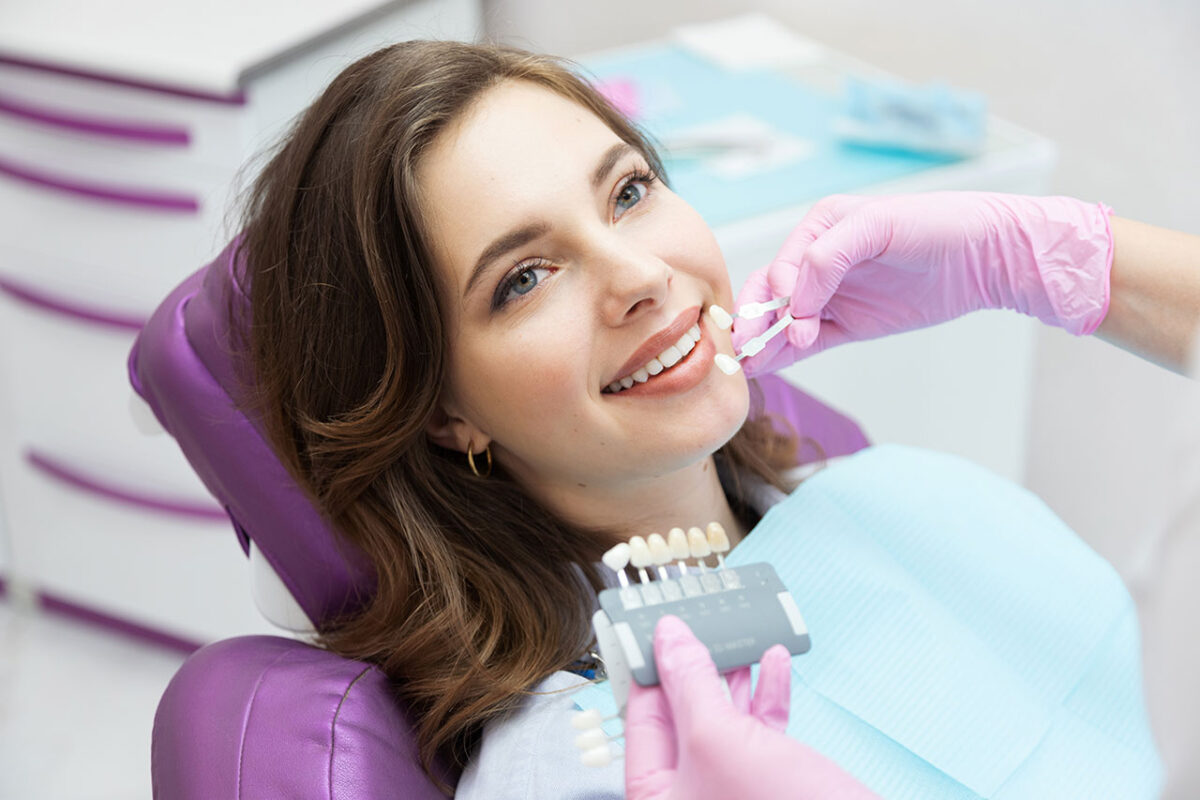
Small details matter. You’ll choose a shade that looks bright but still natural for your skin tone and overall look. Shape matters too. Some patients prefer softer, rounded edges; others want a more defined look. Because veneers are made for you, this step is where your preferences guide the plan.

3) Tooth preparation
For many porcelain cases, a thin layer of enamel is removed from the front of the tooth so the final shells can fit naturally without looking bulky. The amount is usually small, and it varies by case. Your dentist’s goal is a stable, comfortable fit and a lifelike finish.

4) Temporaries (when needed)
In many situations, you’ll wear temporary coverings while the final pieces are being created. Temporaries help protect the teeth and give you a preview of the look and feel. It’s also a chance to notice if you want any small changes before the permanent set is placed.

5) Final placement
When the final set is ready, your dentist will check the fit, color, and bite. Once everything looks right, the restorations are bonded in place with a strong dental adhesive. After bonding, small adjustments make sure your bite feels natural.

It’s normal to feel a “new” sensation at first—your tongue is noticing changes. Most patients adapt quickly, and the teeth soon feel like part of their natural smile.

Veneers vs. Other Smile Options (In Plain Language)

Many people compare this treatment to whitening, bonding, or crowns. The best choice depends on your teeth and your goals.

Compared with teeth whitening
Whitening can be a great first step, but it doesn’t change tooth shape or fix chips and gaps. Veneers can brighten and reshape at the same time. They can also help when stains are deep and don’t respond well to whitening alone.

Compared with dental bonding
Bonding uses tooth-colored resin shaped and polished directly on the tooth. It can be more budget-friendly and can be completed quickly, but it may stain or wear sooner than porcelain. Veneers made from porcelain tend to hold their color well and can be very durable with good care.

Compared with crowns
Crowns cover more of the tooth. They’re often recommended when a tooth is weakened by large fillings, cracks, or heavy damage. Veneers usually cover only the front surface, which can be appropriate when the tooth structure is strong and the main goal is cosmetic improvement.

A solid exam is the fastest way to learn which option fits your needs. Sometimes a combination makes sense—like whitening first, then a few porcelain shells on the front teeth to create balance.

How Long Veneers Last and How to Care for Them

A common question is, “How long do veneers last?” Many patients enjoy results for years, and daily habits play a big role. Porcelain is known for strength and stain resistance, but good care still matters.

Helpful habits include:

  • Brush twice a day with a soft toothbrush
  • Floss daily to keep gums healthy around the edges
  • Keep regular dental cleanings and exams
  • Avoid using your teeth as tools (opening packages, tearing tags)
  • Be cautious with very hard foods (ice, hard candies)
  • If you grind or clench, wear a nightguard if recommended

It also helps to remember that porcelain doesn’t decay, but the tooth underneath can still get cavities near the margins if plaque builds up. Healthy gums are key too. When gums are inflamed, the edges can become more visible. Consistent home care and routine visits help protect the investment.

Benefits of Veneers, Informed by Professional Dental Guidance

This cosmetic option is not only about a brighter smile. It can offer practical benefits that align with common professional recommendations in cosmetic dentistry:

A conservative way to improve appearance
In many cases, veneers require less tooth coverage than full crowns. Professional dentistry often emphasizes preserving healthy tooth structure when possible, and this approach can support that goal when the tooth is otherwise strong.

A natural look that blends well
Dental materials and techniques have advanced a lot. Porcelain can mimic enamel’s light-reflecting quality, which is why many dental professionals prefer porcelain for lifelike results in the smile zone.

Stable color over time
Porcelain is widely recognized for resisting stains compared with natural enamel and some bonding materials. That makes veneers a strong option for patients who want a longer-lasting color improvement.

Improved symmetry and balance
Cosmetic dentistry often focuses on harmony—how teeth look together, not just one tooth at a time. Veneers can help create a more even “smile line,” adjust mild asymmetry, and improve how the front teeth meet visually.

Smoother edges and added protection
When front teeth have chips or worn edges, the surface can feel rough. Veneers can restore a smoother edge and help protect areas that are prone to further wear, especially when paired with a protective nightguard for grinders.

Who Is a Good Candidate for Veneers?

This treatment is often a good fit when:

  • Teeth and gums are healthy
  • You want to improve color, shape, or minor spacing
  • You’re looking for a longer-lasting cosmetic option
  • Your bite is stable, or can be stabilized with treatment

It may not be the first choice when:

  • There is untreated gum disease or tooth decay
  • Teeth are severely misaligned (clear aligners may be better first)
  • You have heavy grinding that isn’t managed yet
  • You want major bite changes (orthodontics may be needed)

If you’re unsure, that’s normal. Many patients start with a consultation and learn they have several good options.

Wrapping Up: Making Veneers Feel Simple and Predictable

Veneers can be a great choice when you want to improve the look of your smile in a way that still feels natural. With careful planning, custom design, and good daily care, this treatment can brighten, smooth, and balance the teeth you show most.

Ready to see if veneers match your goals? Contact Secure Dental to book an appointment and schedule a consultation. Secure Dental has 9 convenient locations across Iowa, Indiana, Illinois, and Tennessee to help you take the next step toward the smile you want.

Sedation Dentistry: A Calmer Way to Get the Care You Need

For many people, the hardest part of dental care isn’t the appointment itself—it’s the stress leading up to it. A racing heart, tense shoulders, or the feeling that you can’t relax in the chair can make even a simple visit feel like a big event. Sedation options exist for a simple purpose: to help patients feel more comfortable so they can receive care without fear taking the lead.

This article explains what sedation options are, the different levels of sedation, who may benefit most, and how dental teams keep comfort and safety a top priority.

What Sedation Dentistry Is and What It Is Not

Sedation options use calming medication techniques to reduce anxiety and make treatment feel easier. It can range from mild relaxation to deeper sedation, depending on your needs and the type of procedure.

A common misunderstanding is that sedation means you will be “knocked out.” That’s not always true. Many forms of Sedation Dentistry allow you to stay awake and respond to your dental team while feeling deeply relaxed. Some patients remember very little of the visit, while others remember most of it but feel calmer throughout.

Another important point: Sedation Dentistry is not a replacement for local anesthetic (numbing). Numbing keeps you from feeling pain in a specific area. Sedation helps with comfort, relaxation, and stress. Many patients benefit from having both.

If you’ve ever avoided care because it felt overwhelming, Sedation Dentistry can help turn dental visits into something more manageable—sometimes even surprisingly easy.

Types of Sedation Dentistry and What Each One Feels Like

There are different levels of Sedation Dentistry, and the right choice depends on your health history, the procedure, and how anxious you feel.

Nitrous oxide (laughing gas)
Nitrous oxide is a mild option that helps patients relax during treatment. It works quickly and wears off quickly. Many people like this form of Sedation Dentistry because they can often return to normal activities soon after the appointment (with guidance from the dental team).

Patients commonly describe nitrous oxide as a “lighter” feeling—calm, less tense, and less bothered by noises or time.

Oral sedation
Oral sedation usually involves taking a prescribed pill before the visit. This type of Sedation Dentistry often creates a deeper sense of relaxation than nitrous oxide. You may feel drowsy, and you will likely need a ride to and from the appointment.

Oral sedation is often helpful for longer visits, people with significant anxiety, or patients with a strong gag reflex.

IV sedation
IV sedation provides medication through a small IV, and the effects can be adjusted as needed. This form of Sedation Dentistry is commonly used for more complex procedures or for patients who need a deeper level of calm. Many patients remember very little of the appointment afterward.

Because IV sedation is stronger, it includes additional monitoring and safety steps, and you’ll need someone to drive you home.

Your provider will review your history and help you choose the safest level of Sedation Dentistry for your needs. The goal is not “as much as possible”—the goal is the right amount of comfort for you.

Who Can Benefit from Sedation Dentistry?

Sedation Dentistry is not only for people with severe dental anxiety. It can help a wide range of patients, including those who:

  • Have a hard time getting numb or staying comfortable
  • Need longer or more involved dental work
  • Have a strong gag reflex
  • Feel tense in the chair even during cleanings
  • Have difficulty sitting still due to discomfort or stress
  • Have had past dental experiences that make visits feel challenging

Some patients also choose Sedation Dentistry because it can make treatment feel faster. When you’re relaxed, time often feels like it moves more quickly, and you may feel less “worn out” after the visit.

If you’re unsure whether sedation is right for you, that’s normal. A consultation can help you understand options and decide what feels best. Sedation Dentistry is about giving you choices—not pushing you into one approach.

Safety and Comfort: How Dental Teams Plan for Sedation Dentistry

Safety is a top priority with Sedation Dentistry, and professional standards emphasize careful screening, clear instructions, and appropriate monitoring.

Here are common safety steps you can expect:

  • A health history review, including medications and allergies
  • Blood pressure and oxygen monitoring during the visit (especially for deeper sedation)
  • Specific instructions about eating and drinking before the appointment, depending on the type of sedation
  • Guidance on who can drive you home and how to rest afterward
  • Follow-up instructions to support recovery and comfort

Your team may also ask about sleep apnea, breathing issues, or past reactions to medications. These questions help match Sedation Dentistry to your personal health picture.

You can also help by being honest about your anxiety level, your past experiences, and what triggers stress for you. A good sedation plan is a shared plan, with clear expectations and support from start to finish.

Benefits of Sedation Dentistry Grounded in Professional Practice

Professional dental material often highlights that patient comfort directly affects the ability to complete treatment successfully. When patients are calmer, it can be easier to work efficiently, keep the mouth open comfortably, and complete care without rushing.

Benefits commonly described in professional guidance include:

  • Reduced anxiety and tension: Sedation Dentistry helps patients feel calmer before and during treatment.
  • A more comfortable experience for longer procedures: Relaxation can make extended visits feel easier.
  • Support for patients with sensitive gag reflexes: Sedation can reduce the urge to gag during care.
  • Better ability to complete needed treatment: When fear isn’t in control, patients are more likely to follow through with care plans.
  • A more positive relationship with dental visits: Many patients feel their confidence grows after a calmer experience with Sedation Dentistry.

Professional best practices also stress that sedation should be paired with good communication. Knowing what will happen—and having a plan for comfort—helps patients feel safe and respected.

How to Prepare for Your Visit and What to Expect After

Preparing for Sedation Dentistry is usually simple, but it depends on the type of sedation you choose.

Before your appointment

  • Follow instructions about eating and drinking
  • Wear comfortable clothing
  • Bring a list of medications you take
  • Plan for a trusted driver if your sedation requires it
  • Ask questions ahead of time so you feel ready

After your appointment

  • Rest at home and avoid major decisions for the rest of the day if you had stronger sedation
  • Stick with softer foods until numbness fades, especially after procedures that involve numbing
  • Follow medication instructions carefully
  • Call the office if you have unusual symptoms or concerns

Many patients are pleasantly surprised by how smooth the day feels. The goal of Sedation Dentistry is not just to “get through” an appointment—it’s to make care feel doable.

Final Thoughts: Comfort Can Be Part of Your Dental Plan

Sedation Dentistry can be a helpful tool for patients who want a calmer, more comfortable dental experience. Whether you need mild relaxation for a simple visit or a deeper option for more involved treatment, sedation can help you feel supported and in control. With careful planning and clear communication, your dental team can tailor Sedation Dentistry to fit your needs and keep safety at the center.

If dental stress has been holding you back, Secure Dental is here to help. Contact Secure Dental to schedule your consultation or book an appointment—Secure Dental has 9 convenient locations across Iowa, Indiana, Illinois, and Tennessee, so you can get the comfortable care you deserve close to home.

Book Your Appointment

Fill out the form below to request your appointment date. A member of our team will reach out shortly to schedule your appointment and answer any questions you may have.