Snap-In Implant Dentures: A More Stable Denture Option You Can Remove for Cleaning

If you’ve ever felt a denture shift at the wrong time, you know how distracting it can be. Even when a denture fits “pretty well,” everyday things like chewing, laughing, or speaking can cause movement—especially as the jawbone changes over time. Implant-anchored dentures were created to solve that problem by adding secure anchors that help a denture stay in place.

This guide explains what implant-anchored dentures are, how they compare to traditional dentures, and what it’s like to live with them day to day.

What Snap-In Implant Dentures Are (And What “Snap-In” Really Means)

implant-anchored dentures are removable dentures that attach to implants placed in the jawbone. Think of the implants as stable “buttons,” and the denture as the piece that clicks onto them. You can take the denture out to clean it, but when it’s snapped in, it feels much more secure than a denture held only by suction or adhesive.

Most Snap-In Implant Dentures use a few implants to support the denture. The exact number depends on the arch (upper or lower), bone levels, and how much stability you want. Lower dentures, in particular, often benefit from implant support because suction can be harder to achieve on the lower jaw.

The “snap” part refers to the attachment system. Some designs use small locator-style connections. Others use a bar that the denture clips onto. Your dental team will recommend what fits your mouth and your goals.

Why People Choose Snap-In Implant Dentures Instead of Traditional Dentures

Traditional dentures can be a helpful option, but they often come with trade-offs—especially over time. Snap-In Implant Dentures are popular because they improve stability while still being removable.

Here are common reasons patients choose Snap-In Implant Dentures:

More confidence during meals
A denture that moves can make eating stressful. With Snap-In Implant Dentures, many patients feel more secure biting and chewing because the denture is anchored.

Less need for adhesives
Adhesives can be messy and unpredictable. Snap-In Implant Dentures reduce or eliminate the need for adhesive for many patients.

Better comfort for the gums
A loose denture may rub and create sore spots. Implant support can reduce sliding and friction, which can improve comfort with Snap-In Implant Dentures.

A practical middle ground
Some patients want a stable option but prefer something they can remove and clean. Snap-In Implant Dentures offer that balance: more stability than standard dentures without being a fully fixed bridge.

Support for long-term jaw function
Tooth loss can lead to bone changes. Because implants stimulate the jawbone during chewing, Snap-In Implant Dentures may help limit ongoing bone loss compared to a denture that sits on the gums alone.

What the Snap-In Implant Dentures Process Often Looks Like

The process for Snap-In Implant Dentures is typically straightforward, but it does involve a few stages. Understanding the steps helps patients feel prepared.

Step 1: Consultation and imaging
Your dental team checks gum health, bone levels, and bite. Imaging helps plan safe implant positions. If you already wear dentures, the team may evaluate fit, how your jaw is changing, and what improvements you want with Snap-In Implant Dentures.

Step 2: Implant placement
Implants are placed in the jawbone. Many patients do well with local anesthetic, and some choose calming options. If anxiety is a concern, Sedation Dentistry may be discussed for a more relaxed experience.

Step 3: Healing and stabilization
Healing time allows the bone to bond to the implants. During this stage, you may wear a temporary denture or your existing denture with adjustments. This healing step is important for Snap-In Implant Dentures because it supports long-term stability.

Step 4: Attaching the “snap” system
Once healing is complete, the attachment parts are placed. Your denture is then designed or updated to connect to the implants. The first “snap-in” moment is often a relief—patients notice the difference right away.

Step 5: Fine-tuning the fit
Small adjustments help ensure comfort and a balanced bite. The goal is a denture that feels secure without creating pressure points. Follow-up visits are part of a successful Snap-In Implant Dentures experience.

Living with Snap-In Implant Dentures: Daily Care and Helpful Tips

Because Snap-In Implant Dentures are removable, daily care is simple—and very important.

Cleaning at home
Most patients remove the denture at least once a day to clean it. You’ll brush the denture with a denture brush and a non-abrasive cleanser. You’ll also clean around the implants and gums with a toothbrush and any tools your dental team recommends (like a water flosser or small interdental brushes).

Taking them in and out
At first, snapping the denture in and out can feel unfamiliar. With practice, it becomes routine. Your team will show you how to seat Snap-In Implant Dentures evenly so you don’t bend attachments or pinch gums.

Managing attachments over time
The small “snap” parts can wear down with use—similar to how a shoe sole wears down. This is normal. A quick replacement during a maintenance visit often restores that secure click. Regular checkups help keep Snap-In Implant Dentures working the way they should.

Eating adjustments
After you settle in, many foods feel easier. Still, it’s smart to start with softer foods and build up. Chew evenly on both sides. Avoid using your denture to crack hard items like ice or nuts. These habits protect Snap-In Implant Dentures and the attachments.

Speech and comfort
Some patients notice a short adjustment period, especially if their old denture was loose and they learned to “work around” it. With a stable fit, speaking often feels easier over time.

Benefits of Snap-In Implant Dentures Highlighted in Professional Dental Guidance

Professional dental guidance often emphasizes that successful tooth replacement should restore function, protect oral tissues, and be maintainable over time. Snap-In Implant Dentures align with these goals by combining implant stability with the convenience of removal.

Benefits commonly described in professional material include:

  • Improved stability and retention: Snap-In Implant Dentures can reduce movement compared to gum-supported dentures.
  • Greater chewing comfort: A secure fit often makes meals more enjoyable and less stressful.
  • Reduced sore spots: Less sliding can mean fewer friction areas on the gums.
  • Simpler cleaning than fully fixed options: Because they are removable, patients can clean the denture and gums thoroughly.
  • Support for jawbone function: Implant stimulation can help limit ongoing bone changes related to tooth loss.

Professional guidance also stresses the role of maintenance. Regular checkups, professional cleanings, and replacement of worn attachment parts help keep Snap-In Implant Dentures comfortable and secure for the long run.

Final Thoughts: A Secure Fit Without Giving Up Removability

Snap-In Implant Dentures can be a great choice for patients who want a stronger hold than traditional dentures but still like the convenience of removal for cleaning. They can improve stability, reduce reliance on adhesives, and make daily life feel more predictable—especially for lower dentures that tend to move.

Ready to see if Snap-In Implant Dentures are right for you? Contact Secure Dental to schedule your consultation and book an appointment at a location near you. Secure Dental has 9 convenient offices across Iowa, Indiana, Illinois, and Tennessee to help you find a comfortable, secure denture solution.

All-On-X Dental Implants: A Fixed Solution for Replacing Many Teeth at Once

When most or all teeth are missing—or when teeth are failing—people often want one clear answer: “What can help me eat comfortably again and stop worrying about loose teeth?” That question matters because it’s not only about appearance. It’s about function, comfort, and the freedom to live your day without planning around your mouth. All-on-X treatment is designed for that exact situation: replacing a full arch of teeth with a stable, fixed set that stays in place.

This article explains how All-on-X treatment works, what the journey looks like, and why many patients choose this approach when they’re ready for a bigger change.

What All-On-X Dental Implants Mean and Why “X” Matters

All-on-X treatment describes a full-arch replacement supported by a specific number of implants. The “X” simply stands for the number of implants used to support the new arch. Some plans may use four implants, others may use five or six, depending on bone support, bite forces, and your anatomy.

The big idea is this: instead of placing one implant for every missing tooth, All-On-X Dental Implants use a strategic set of implants to hold a full row of teeth. Those teeth are connected in one piece, so the bite force is shared across the implants. This can be a practical way to rebuild a full smile with fewer implants than a “one tooth at a time” approach.

Patients often like that All-On-X Dental Implants are fixed in place. That means the teeth do not come out at night, and you don’t have to rely on adhesives. You clean them daily like teeth, but they stay put.

Who Typically Considers All-On-X Dental Implants?

People explore All-On-X Dental Implants for several common reasons:

  • They are missing many teeth in the upper or lower jaw
  • Their current denture feels loose or rubs sore spots
  • They have teeth that are breaking down from decay or gum disease
  • They want a fixed option instead of something removable
  • They want a plan that can improve chewing comfort and day-to-day confidence

An evaluation is still essential. During planning for All-On-X Dental Implants, your dental team looks at bone levels, gum health, the shape of your jaw, and your bite. They also review health history because healing matters for long-term success.

If there are active infections or gum issues, those are treated first. If bone is thin in certain areas, planning may include grafting or adjusting implant positions. The goal is to place implants where they can be supported well, then build an arch that fits your face and your bite.

What the All-On-X Dental Implants Process Can Look Like

Every plan is customized, but many patients find the process easier once they understand the steps. Here’s a patient-friendly overview of what All-On-X Dental Implants may involve.

Step 1: Consultation and imaging
This is the “map-making” stage. Imaging helps the team see bone levels, sinus spaces, and nerve pathways. Careful planning is a major reason All-On-X Dental Implants can be predictable and safe.

Step 2: Creating a step-by-step plan
Your plan may include removing failing teeth, treating gum infection, and choosing implant positions. The team also talks through what type of temporary teeth you may wear while healing. With All-On-X Dental Implants, temporary teeth can be an important part of the journey because they support function and comfort during the transition.

Step 3: Surgery day and comfort options
On the day of surgery, the dental team prepares the mouth and places the implants. Many patients choose calming options, and some plans include Sedation Dentistry for a smoother experience. You’ll also receive clear instructions for home care and eating while the area heals.

Step 4: Healing and strengthening
Over the next few months, the bone bonds around the implants. This is the foundation stage for All-On-X Dental Implants. During this time, a temporary set of teeth may be adjusted as your gums settle.

Step 5: Final teeth designed for long-term function
Once healing is complete, the final arch is created. The goal is not just a bright smile, but a strong bite that fits your jaw and protects the implants. With All-On-X Dental Implants, the final prosthetic is designed to balance comfort, durability, and a natural look.

Everyday Life with All-On-X Dental Implants: Eating, Speaking, and Cleaning

One reason patients choose All-On-X Dental Implants is the day-to-day experience. A fixed arch often feels more stable than a removable denture, which can reduce worry about shifting during meals or conversations.

Eating
After healing, many people feel they can enjoy a wider range of foods. You still want to be smart—hard ice and using teeth as tools are never great ideas—but the goal with All-On-X Dental Implants is comfortable, reliable chewing.

Speaking
A stable arch can make speech feel more natural, especially for patients who struggled with a loose denture. Your mouth may need a short “adjustment period” as your tongue and cheeks get used to the new shape, but most patients adapt well.

Cleaning
Cleaning is simple but important. You’ll brush twice daily and clean around the gumline and under the arch using tools your dental team recommends (like floss threaders, special brushes, or a water flosser). Routine professional visits are also important. Even though the teeth are not natural, the gums and bone still need healthy care for All-On-X Dental Implants to last.

Benefits of All-On-X Dental Implants Supported by Professional Guidance

Professional dental material often highlights that full-arch replacement should be planned with both function and long-term health in mind. All-On-X Dental Implants are frequently discussed as a reliable option because they focus on stability, controlled placement, and a fixed result.

Benefits commonly emphasized in professional guidance include:

  • A fixed set of teeth: All-On-X Dental Implants stay in place, reducing the need for adhesives and nightly removal.
  • Better stability than many removable options: Implant support can reduce movement and sore spots.
  • A stronger chewing experience: Many patients report improved comfort and the ability to enjoy more foods.
  • Support for jawbone function: Restoring chewing forces can help reduce ongoing bone changes linked to tooth loss.
  • A single, coordinated plan: Instead of managing many separate tooth problems, All-On-X Dental Implants can address a full arch in one organized treatment pathway.

Professional guidance also stresses that success depends on proper planning, healthy gums, and ongoing maintenance. Regular checkups, cleanings, and good home care protect the tissues that support All-On-X Dental Implants.

Final Thoughts: Rebuilding an Entire Smile with Confidence

All-On-X Dental Implants can be a life-changing option for people who need a full-arch solution. They are designed to create a fixed, stable set of teeth that supports eating, speaking, and day-to-day comfort. The journey starts with a personalized evaluation, then moves through careful planning, healing, and a final restoration made to fit you.

Ready to explore whether All-On-X Dental Implants are a match for your goals? Contact Secure Dental to schedule your consultation and book an appointment at a location near you. Secure Dental has 9 offices across Iowa, Indiana, Illinois, and Tennessee to help you move forward with a stable, confident smile.

What Is Professional Teeth Whitening?

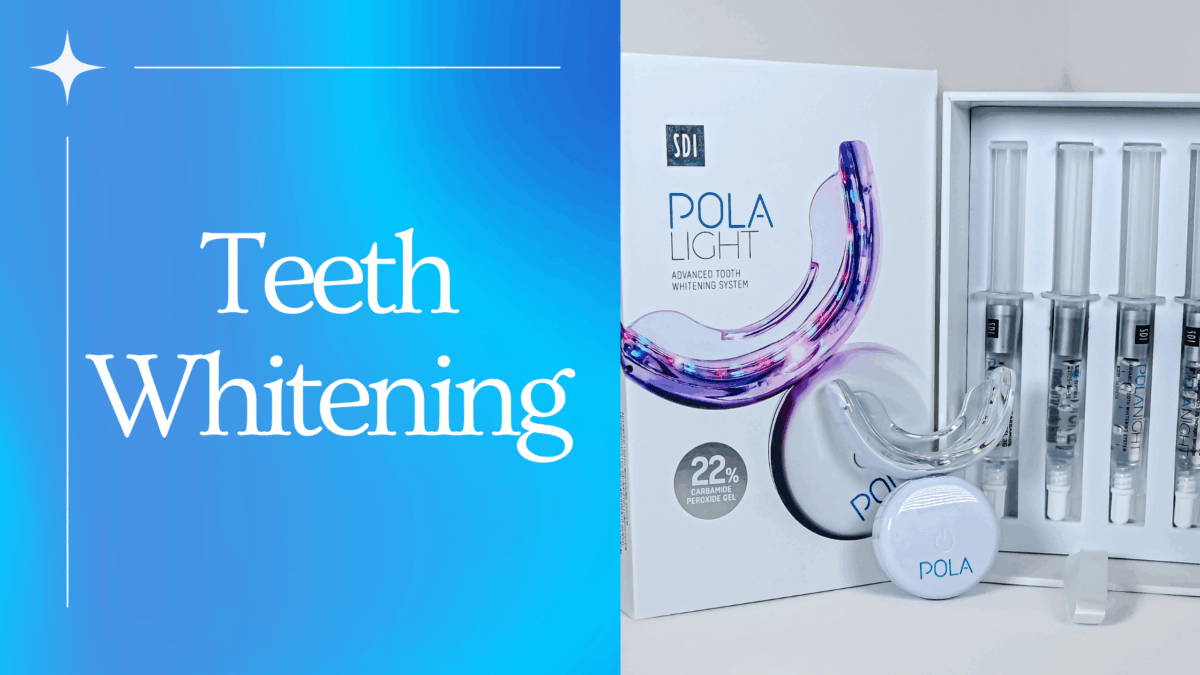
Professional teeth whitening offers safe, fast, and dramatic results compared to store-bought options. This guide explains how the treatment works, what it costs, who it’s best for, and how to maintain your whiter smile.

Professional Teeth Whitening: Brighten Your Smile Safely and Predictably

A brighter smile can make everyday moments feel a little easier—whether you’re meeting someone new, taking a photo with friends, or simply enjoying how fresh your mouth feels after a good cleaning. It’s natural to wonder what options actually work and which ones are just hype. Professional Teeth Whitening is popular for a simple reason: it is designed to deliver noticeable results while keeping comfort and safety front and center.

In this article, you’ll learn how Professional Teeth Whitening works, what to expect during treatment, and how to keep your results looking great without guesswork.

How Professional Teeth Whitening Works (In Plain Language)

Teeth can look darker for many reasons. Some color changes happen on the surface from foods and drinks like coffee, tea, red wine, and dark berries. Other color changes happen inside the tooth over time. Age, certain medications, past injuries, and even the natural thickness of enamel can influence shade.

Professional Teeth Whitening uses whitening ingredients that release oxygen into the tooth structure. That oxygen helps lift and break apart stain particles so the tooth looks lighter. The key difference with in-office treatment is control: the materials are applied carefully, the soft tissues are protected, and the process is monitored so the whitening is both effective and comfortable.

You may also hear about take-home trays made by a dental office. These can still fall under Professional Teeth Whitening because they’re custom-fit and guided by a dentist. The biggest advantage is the fit: custom trays help keep the whitening gel where it belongs and reduce the chance of irritating your gums.

It’s important to know what whitening can and cannot do. Professional Teeth Whitening targets natural tooth enamel and dentin. It does not change the color of crowns, veneers, fillings, or bonding. If you have restorations on front teeth, your dental team can help you plan whitening in a way that still looks even and natural.

In-Office vs. Store-Bought Options: What’s the Real Difference?

Many people start with over-the-counter strips or kits. Some work modestly, but results can be uneven, and sensitivity can be a surprise. Professional Teeth Whitening is different because it is customized and supervised.

Here are a few practical differences to consider:

Strength and timing
Store-bought products often use lower-strength whitening ingredients. That can mean slower results and more days of use. Professional Teeth Whitening is designed to be efficient, often producing noticeable changes in a single visit or a short series of guided applications.

Protection for gums
When whitening gel touches gums, it can cause irritation. With Professional Teeth Whitening, protective steps are taken to keep the gel on the teeth and off soft tissues.

Personalized shade goals
Not everyone wants the same level of brightness. Some people want a subtle refresh. Others want a bigger change. Professional Teeth Whitening gives you a more predictable path, with a plan that matches your preferences and your tooth starting point.

Better fit for take-home whitening
If your dentist recommends at-home whitening as part of your plan, custom trays are a big upgrade. They support Professional Teeth Whitening results by applying the gel evenly across your teeth, reducing patchy whitening.

Store-bought options aren’t “bad,” but they aren’t ideal for everyone. If you’ve tried them and felt disappointed—or uncomfortable—Professional Teeth Whitening can offer a more controlled, guided experience.

What to Expect During Professional Teeth Whitening at Secure Dental

When patients consider Professional Teeth Whitening, they often worry about two things: sensitivity and whether the results will look natural. The good news is that a well-planned approach can address both.

Here’s what a typical visit may include:

Step 1: A quick check of your teeth and gums
Before whitening, the team checks for cavities, cracks, gum inflammation, and old fillings that may need attention. Whitening works best on a healthy foundation. If you have buildup on teeth, a cleaning may be recommended first so the whitening can work more evenly.

Step 2: Shade matching and setting expectations
Your starting shade is recorded. This helps track progress and guides realistic goals. Professional Teeth Whitening usually produces a “brighter, cleaner” look rather than an artificial white. The goal is improvement that still suits you.

Step 3: Protecting the soft tissues
The lips and gums are protected so the whitening gel stays on tooth enamel. This is one of the reasons Professional Teeth Whitening tends to feel more comfortable than DIY whitening.

Step 4: Whitening application
The whitening gel is applied and left on for a controlled amount of time. Some systems use a special light, and others do not. Either way, the important part is the careful timing and monitoring.

Step 5: After-care guidance
You’ll leave with simple instructions for the next day or two. This might include avoiding strong-staining foods and drinks for a short time and using a sensitivity-friendly toothpaste if needed.

Some patients also choose a take-home plan after an in-office visit. Combining the two can be a smart way to reach your shade goal while still keeping comfort in mind. That combination is still Professional Teeth Whitening because it is guided and customized by your dental team.

Sensitivity: Why It Happens and How to Keep It Manageable

Tooth sensitivity is the most common concern with Professional Teeth Whitening. Sensitivity happens because whitening can temporarily open tiny pathways in enamel, allowing fluid movement that triggers nerve response. The good news is that sensitivity usually fades within a day or two.

Ways your team may help reduce sensitivity include:

  • Choosing a whitening strength that matches your needs
  • Shortening sessions or spreading whitening over multiple visits
  • Recommending desensitizing products before or after whitening
  • Suggesting breaks between applications if your teeth are prone to sensitivity

There are also steps you can take at home:

  • Use a toothpaste made for sensitive teeth for about two weeks before and after whitening
  • Brush gently with a soft toothbrush
  • Avoid very hot or very cold foods right after treatment
  • Skip aggressive whitening “boosters” that can irritate teeth

If you’ve had sensitivity before, tell your dental team. Professional Teeth Whitening can often be adjusted so you get great results without unnecessary discomfort.

Benefits of Professional Teeth Whitening Supported by Professional Guidance

Whitening might seem like a simple cosmetic change, but dental professionals approach it with safety and long-term oral health in mind. In professional dental guidance, whitening is most successful when it is planned around your enamel health, gum health, and existing dental work.

Benefits often noted in professional material include:

  • Predictable, even results: Professional Teeth Whitening is designed to reduce patchiness and improve overall brightness.
  • Safety for teeth and gums: Protective steps and supervision help limit irritation and overuse.
  • Customized treatment: Shade goals, sensitivity history, and enamel condition shape the plan.
  • Confidence in the process: Patients often feel more comfortable knowing their whitening is guided by trained dental professionals.
  • Options that fit real life: Many plans can include a single in-office visit, custom trays at home, or a combination.

Professional standards also emphasize responsible whitening. Overusing whitening products can lead to sensitivity, irritation, or an unnatural look. Professional Teeth Whitening helps avoid these problems by choosing the right approach, the right timing, and the right maintenance plan for your mouth.

Keeping Your Results Looking Bright Without Overdoing It

After Professional Teeth Whitening, many people ask, “How long will it last?” The honest answer depends on daily habits and your starting shade. Some people maintain results for a year or longer before wanting a touch-up. Others prefer small refreshes more often.

Helpful habits include:

  • Rinse with water after coffee, tea, or dark foods
  • Use a straw for dark drinks when possible
  • Keep up with routine cleanings so surface stains are removed
  • Don’t smoke or use tobacco products
  • Consider touch-up trays if your plan includes them

If you enjoy coffee or tea daily, that doesn’t mean whitening “won’t work.” It just means maintenance matters. Your dental team can recommend a realistic schedule for touch-ups so you keep the look you like without pushing your teeth too hard.

It’s also smart to avoid internet “whitening hacks.” Baking soda scrubs, lemon juice, or other harsh methods can wear down enamel. Once enamel is damaged, it doesn’t grow back. Professional Teeth Whitening focuses on safer, controlled methods so you improve shade without sacrificing tooth strength.

Final Thoughts: A Brighter Smile Starts with the Right Plan

Professional Teeth Whitening is a reliable way to refresh your smile with guidance and safety built in. It can help lift everyday stains, brighten your teeth evenly, and give you a cleaner-looking shade that still feels natural. The best results come from starting with healthy teeth, choosing the right method, and following a simple maintenance plan.

Ready to see what Professional Teeth Whitening could do for you? Contact your local Secure Dental office to schedule your consultation and book an appointment that fits your schedule. Secure Dental has 9 convenient locations across Iowa, Indiana, Illinois, and Tennessee to help you reach your smile goals with confidence.

Dental Implants: A Strong, Natural-Feeling Way to Replace Missing Teeth

Imagine biting into your favorite foods and not having to think twice about your teeth. Missing teeth can make everyday moments feel complicated—chewing, speaking clearly, and even keeping your mouth healthy over time. Dental Implants are designed to bring things back to “normal” in a way that looks natural and feels steady. They don’t just fill a space; they can also help support the jawbone and protect nearby teeth from drifting.

This guide breaks down how Dental Implants work, what the process looks like, and what you can do to help your results last.

What Dental Implants Are and Why They Feel So Secure

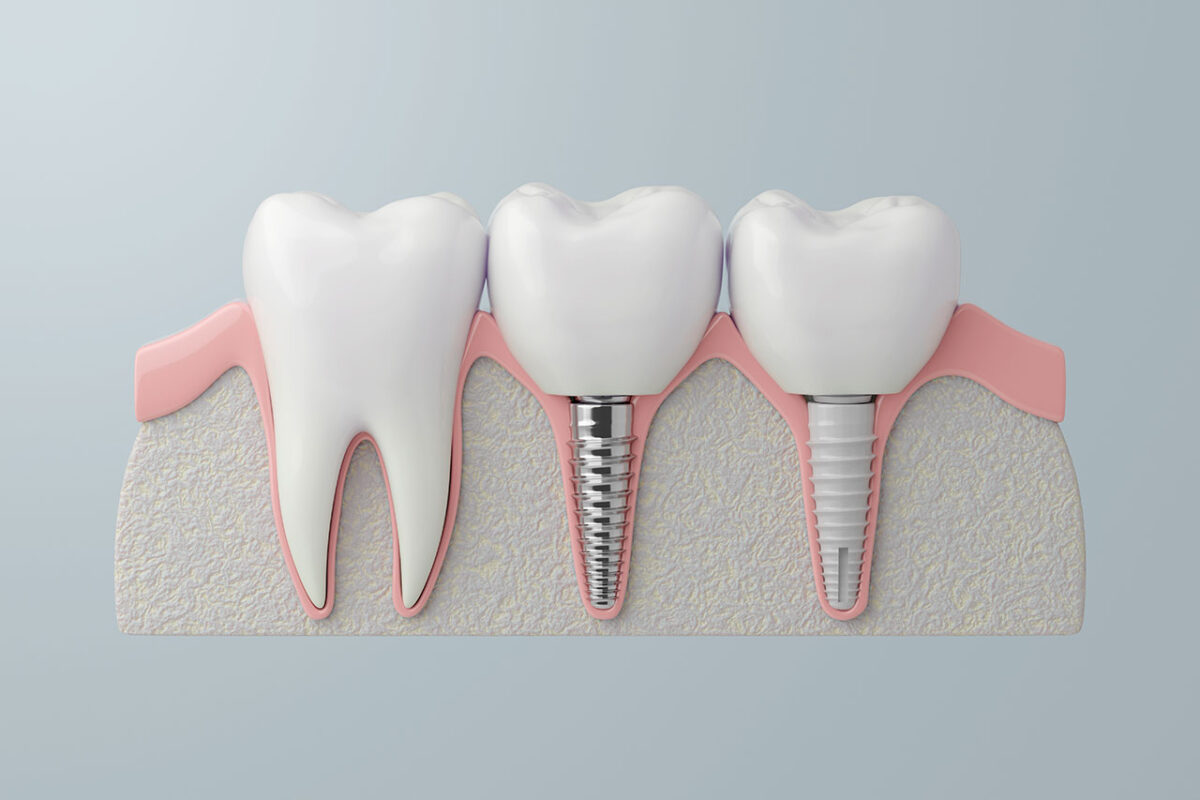
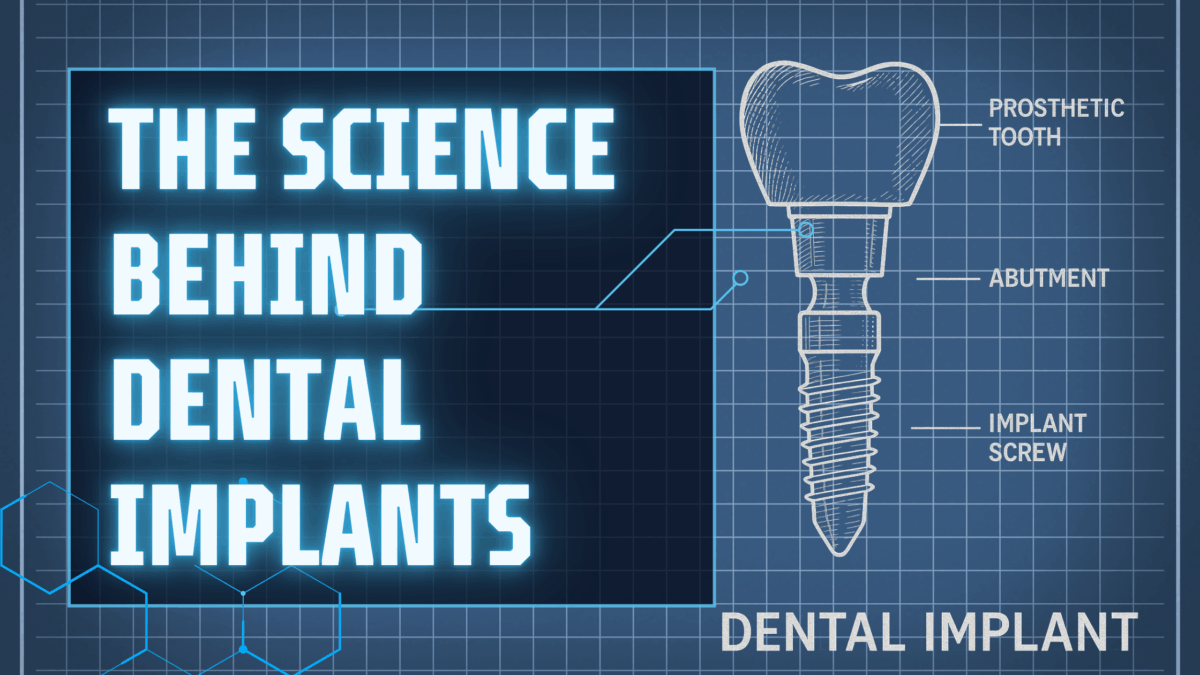
Dental Implants are small posts—most often made from a titanium-based material—that are placed in the jawbone to act like a new tooth root. After the area heals, a connector piece and a custom crown (the visible tooth) are added on top. The result is a replacement tooth that can look and function much like a natural tooth.

One reason many people choose Dental Implants is stability. Because the implant anchors in the jawbone, it doesn’t rely on neighboring teeth for support. That means the surrounding teeth can stay focused on being themselves, rather than acting as “supports” for a replacement tooth.

Implants can also address a common issue after tooth loss: bone changes. When a tooth root is missing, the jawbone in that spot can slowly lose density over time. By restoring chewing function, Dental Implants can help provide the kind of stimulation the bone expects.

It’s also helpful to know that implant care comes in different forms. Some patients need a single implant to replace one tooth. Others may use implants to support a bridge (replacing several teeth) or to stabilize a denture. Your plan depends on your health, the number of teeth you’re missing, and the condition of your jawbone.

Who Might Be a Good Candidate for Dental Implants?

Many adults can be candidates for Dental Implants, but a good plan always starts with a thorough evaluation. During an exam, your dental team looks at gum health, bone levels, bite alignment, and your overall health history.

You may be a good candidate for Dental Implants if you:

  • Have one or more missing teeth
  • Want a stable option that doesn’t depend on nearby teeth
  • Have healthy gums or are ready to treat gum issues first
  • Have enough jawbone for support—or are open to bone grafting if needed
  • Are willing to commit to good home care and regular dental visits

Some health factors can affect healing. Conditions like uncontrolled diabetes, heavy smoking, or certain medications may increase risk. That does not automatically mean Dental Implants are off the table, but it may mean your care plan needs extra steps. In many cases, improving gum health, adjusting habits, or coordinating with a physician can make implant treatment more predictable.

If you’re missing teeth and have been wearing a removable option for a while, you can still be considered. In fact, many people explore Dental Implants because they want more comfort, better chewing power, and less movement.

What to Expect During the Dental Implants Process

One of the biggest stressors for patients is the unknown. Here’s what the Dental Implants process often looks like. Your exact steps and timing may vary based on your mouth and your goals.

Step 1: Exam, imaging, and planning
Your visit usually begins with an exam and imaging so the team can see bone levels, nerves, and sinus spaces. This planning step helps choose safe placement for Dental Implants. It also helps determine whether you need extra support, like a bone graft, before moving forward.

Step 2: Preparing the site (when needed)
If a tooth is still present but cannot be saved, it may be removed first. Sometimes an implant can be placed at the same appointment as the extraction. Other times, the area heals first. If bone support is thin, a bone graft may be recommended to build a stronger foundation.

Step 3: Implant placement
Placing an implant is a precise procedure. The post is positioned in the jawbone, and the gum tissue is closed over or around it. Many patients are surprised by how manageable recovery feels, especially when they follow instructions and take it easy for a few days.

Step 4: Healing and bonding
Over the next few months, the bone grows around the implant in a process often called “integration.” This is one reason Dental Implants can be such a long-lasting option: the implant becomes part of the support system, like a sturdy anchor.

Step 5: Building the tooth on top
Once healing is complete, a small connector is placed, and impressions are taken for the final crown. The crown is matched to your smile so it blends in naturally. When your Dental Implants restoration is complete, you can chew and smile with less worry about shifting.

Throughout the process, comfort matters. For some patients, local anesthetic is enough. For others, calming options like Sedation Dentistry can make implant visits feel easier.

Caring for Dental Implants: Daily Habits That Protect Your Investment

Dental Implants are strong, but they still need care—especially around the gums. Think of implant care as similar to caring for natural teeth, with a little extra attention to keeping the gumline clean.

Simple habits that help Dental Implants last include:

  • Brush twice a day with a soft-bristled toothbrush
  • Clean between teeth daily (floss, interdental brushes, or water flossers)
  • Keep regular professional cleanings and exams
  • Avoid chewing ice or using teeth as tools
  • Wear a night guard if you clench or grind
  • If you smoke, ask about support for cutting back or quitting

It’s also important to watch for early warning signs, such as bleeding when brushing, swelling, or a feeling that something “doesn’t fit right.” These signs don’t automatically mean a serious problem, but they do mean it’s time to schedule an evaluation. Early care can help protect the bone and gums that support your implant.

Many people love that implants are not removed at night like dentures. Still, routine maintenance is key. The cleaner the area stays, the more predictable your long-term results.

Benefits of Dental Implants Supported by Professional Standards

When people consider Dental Implants, they often compare them to other ways of replacing teeth. Every option has pros and cons, but implants offer advantages that are well-supported in professional dentistry.

Benefits commonly emphasized in professional guidance include:

  • Stable chewing and speaking: Because implants are anchored in the jawbone, they can feel steady during meals and conversations.
  • Support for jawbone health: Restoring function can help limit bone loss in the area of a missing tooth.
  • No need to reshape neighboring teeth: Unlike some bridges, implants can stand on their own, helping preserve nearby tooth structure.
  • Natural-looking results: The crown is custom-made to match your smile, and the replacement tooth sits at the gumline in a lifelike way.
  • Long-term value: With consistent home care and professional maintenance, Dental Implants can serve patients for many years.

Professional best practices also stress careful planning and gum health. Healthy gums and good daily cleaning reduce the risk of inflammation around the implant site. That’s why ongoing checkups are part of long-term success with Dental Implants.

Final Thoughts: A Practical Next Step Toward a Complete Smile

Dental Implants can be a dependable way to replace missing teeth with a stable foundation. They can restore chewing comfort, support bone health, and create a natural-looking smile that fits your life. The best next step is a personalized evaluation—because the right plan depends on your bone, gums, and goals.

Ready to learn whether Dental Implants are right for you? Contact Secure Dental to schedule your consultation. Secure Dental has 9 convenient locations across Iowa, Indiana, Illinois, and Tennessee—so you can book an appointment close to home and move forward with confidence.

The Benefits of Clear Aligners Over Traditional Braces

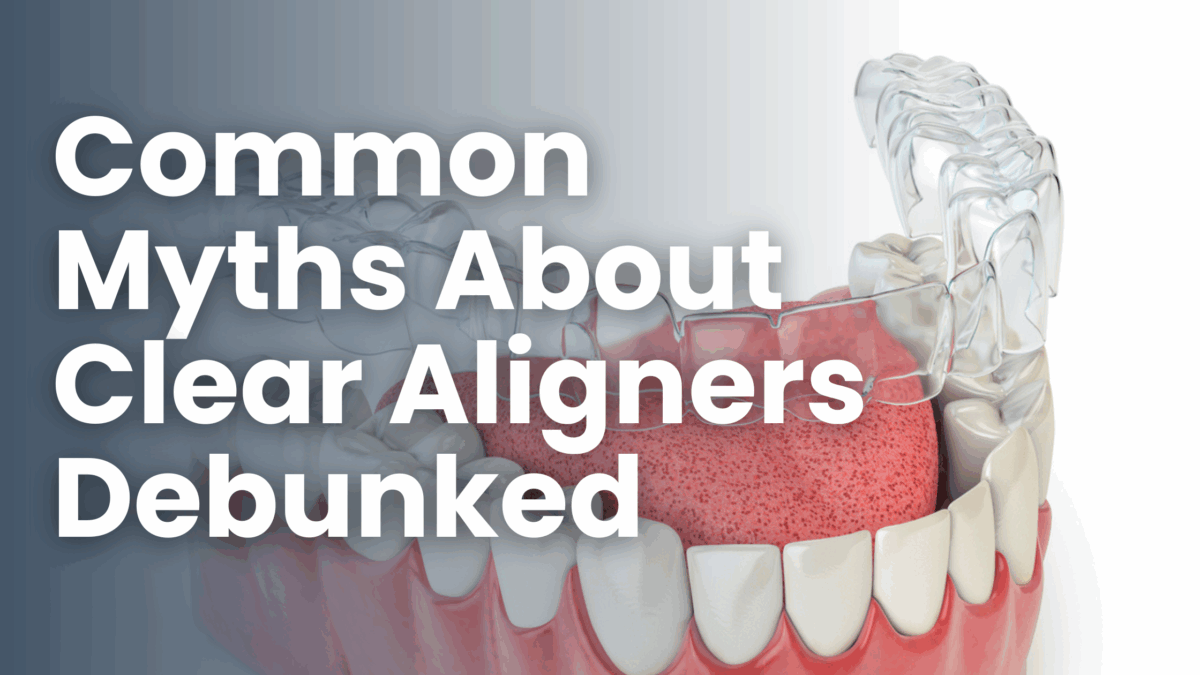
Clear aligners are becoming the go-to solution for people who want a straighter smile without the hassle of traditional braces. In this blog, we explore 10 key reasons why aligners are a more comfortable, convenient, and discreet option—perfect for busy adults and teens alike.

Book Your Appointment

Fill out the form below to request your appointment date. A member of our team will reach out shortly to schedule your appointment and answer any questions you may have.